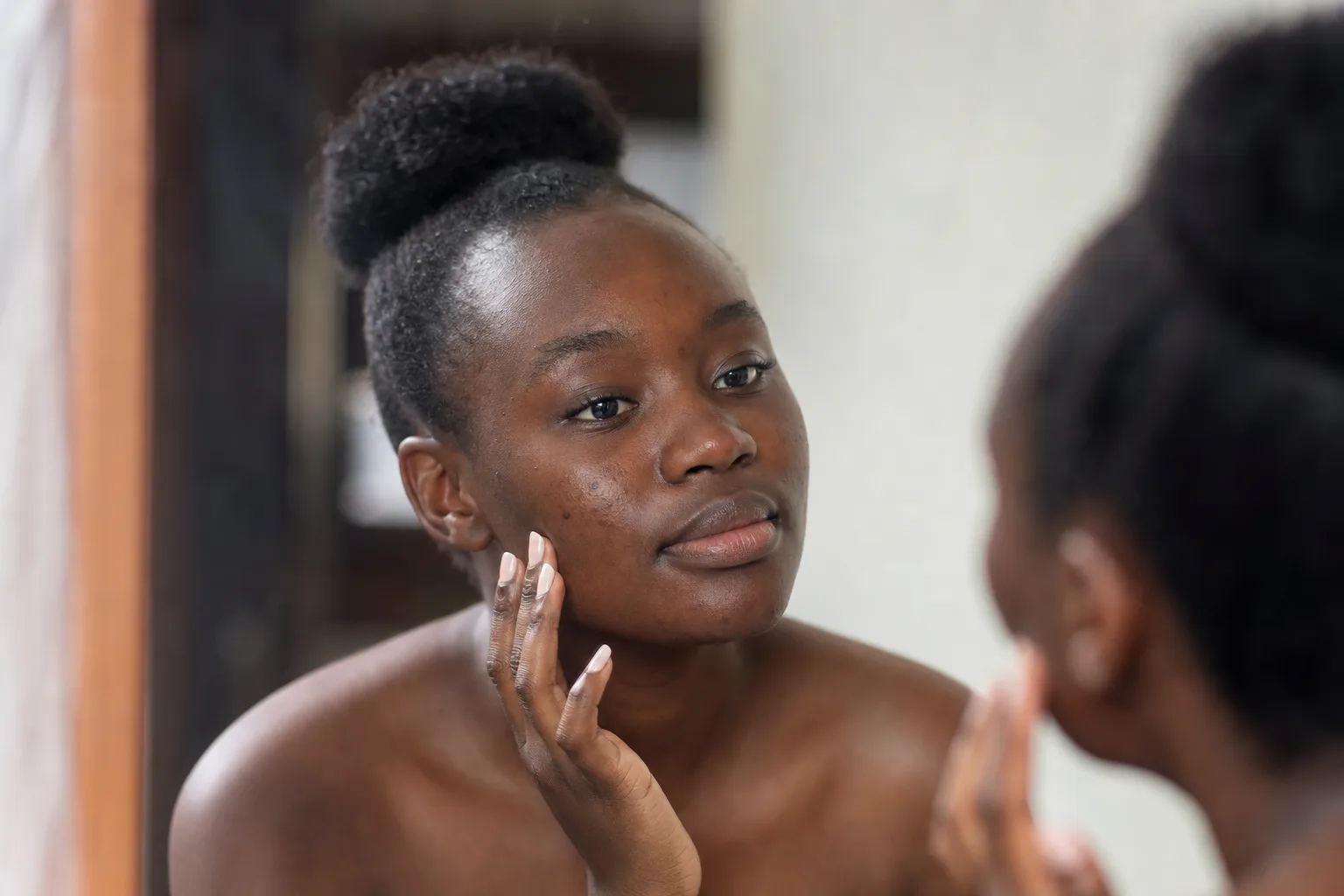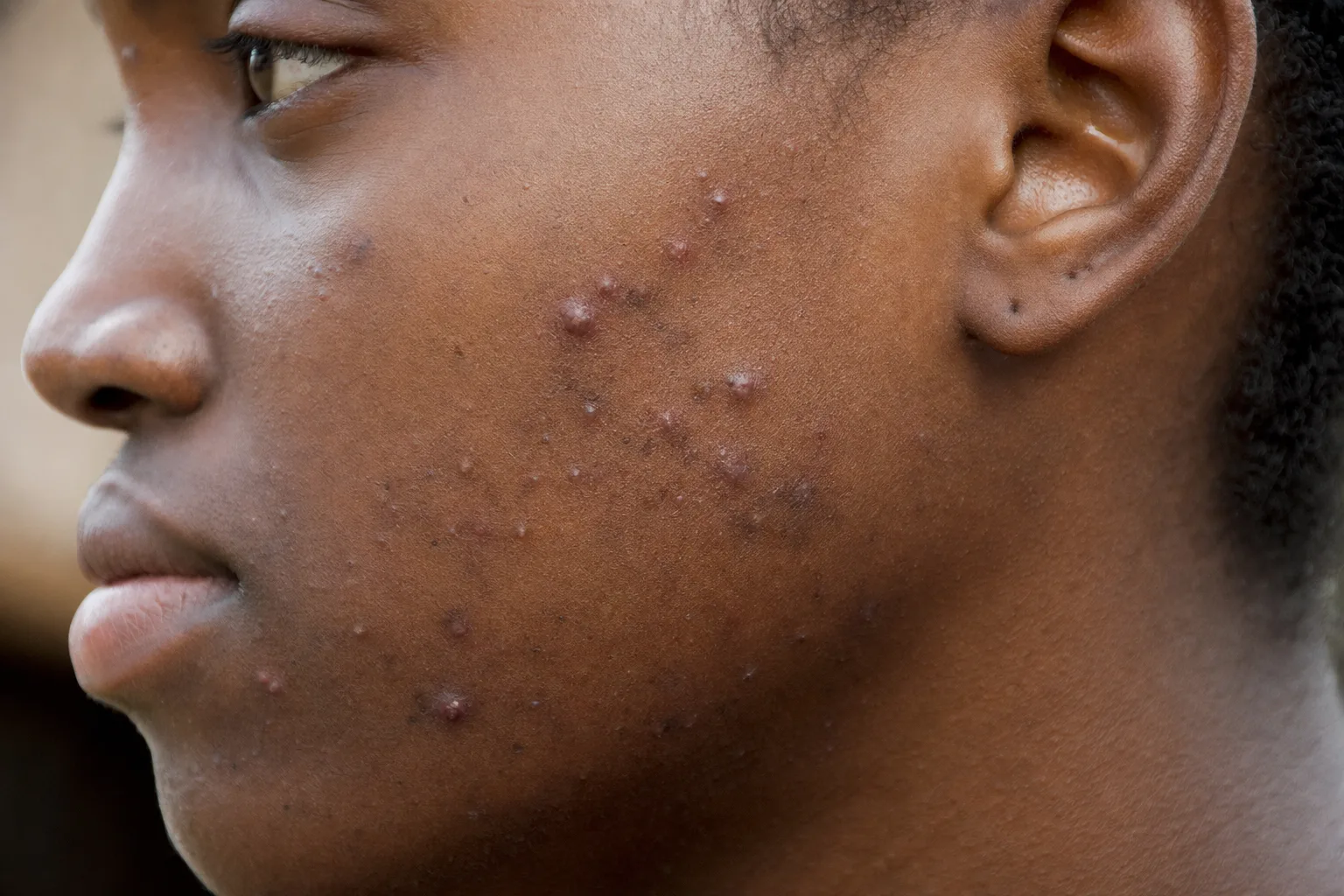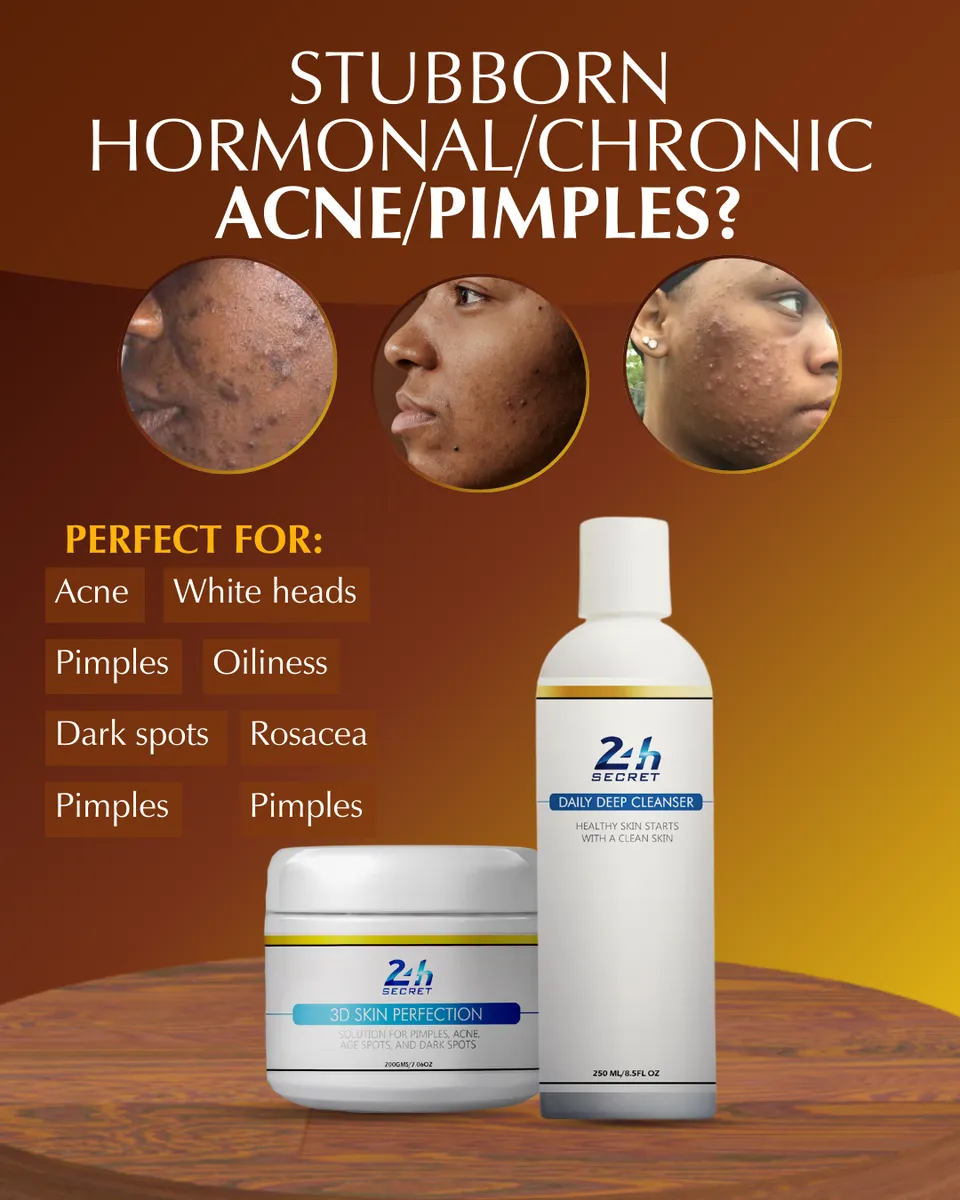
There is a specific kind of frustrating that comes with breaking out at 28, 34 or 42 after years of clear skin — it feels like your skin should have 'grown out of' this by now. Adult acne is genuinely common, and while it shares the same underlying mechanics as teenage acne, its triggers and the right treatment approach are different enough that copying your teenage routine often does not work.
Why adult acne happens
Teenage acne is driven mainly by the oil-production surges of puberty. Adult acne shares the same four underlying causes — excess oil, clogged pores, bacteria and inflammation — but the triggers behind them shift as you get older.
- Hormonal fluctuations. Monthly cycles, pregnancy, stopping or starting birth control, and conditions like PCOS all shift oil production — this is the single biggest driver of adult acne, especially in women.
- Stress. Stress hormones increase oil production and inflammation, which is why breakouts often cluster around stressful periods.
- A compromised skin barrier. Years of product use, sun exposure and (often) past harsh acne treatments leave adult skin more barrier-sensitive, which makes it inflame and break out more easily than it used to.
- New products or environments. A new pillowcase routine, humid climate, heavier sunscreen or richer moisturizer can all quietly clog pores in skin that has become more reactive with age.
Why the jawline and chin specifically?
Adult acne, particularly hormonal acne, tends to cluster along the jawline, chin and lower cheeks far more than the forehead-and-nose pattern typical of teenage acne. This distribution is a useful clue — if your breakouts follow this pattern and seem to flare on a roughly monthly cycle, hormones are very likely the main driver.
Why your old teenage routine doesn't work anymore
Harsh, high-strength 'dry it out' treatments that adult skin sailed through at 16 often irritate and inflame adult skin, because the barrier is generally more sensitive with age and with years of accumulated sun exposure. An irritated barrier produces more oil to compensate and inflames more easily — which can make adult acne worse rather than better. The fix is not a weaker routine, but a gentler, more complete one.
A routine built for adult skin
1. Cleanse without stripping
A thorough but gentle cleanse removes oil and buildup without over-stripping a barrier that is already more sensitive than it was a decade ago.
2. Treat all four causes together, gently
A treatment that addresses oil, clogged pores, bacteria and inflammation at once — rather than one aggressive single-ingredient acid — gives the same results with far less irritation risk.
3. Repair the barrier alongside treatment
Because barrier sensitivity is often part of what's driving adult breakouts, supporting it directly — not just treating the acne — helps break the cycle of irritation leading to more breakouts.
How long until adult acne clears?
With a consistent, gentle routine, most people see fewer new breakouts from week 2–3, with clearer skin over 8–10 weeks. Hormonally-driven adult acne can keep flaring on a monthly cycle even as it improves overall — that is normal, and does not mean the routine has stopped working. If breakouts are severe, painful or clearly cystic, it is worth combining skincare with a doctor's input, since hormonal acne sometimes benefits from medical treatment alongside a good routine.
The one thing to stop doing
Do not reach for the strongest, most 'aggressive' acne product you can find because your skin 'should be tougher' as an adult. Adult skin usually needs the opposite — a gentler, more complete routine that treats the cause without damaging an already more sensitive barrier.