"Collagen" is one of the most-searched words in skincare, and also one of the most misunderstood. It gets sold as a miracle ingredient you can rub on or drink your way to youthful skin — the reality is more specific, and honestly more useful once you understand it. Here's what collagen actually does, why you lose it, and what genuinely helps.
What is collagen, actually?
Collagen is a structural protein — the most abundant protein in your body — that forms a support network in the deeper layer of your skin (the dermis). Think of it as the scaffolding that keeps skin firm, plump and able to spring back after you smile, squint or sleep on it. Alongside elastin (which gives skin its stretch), collagen is what separates taut, youthful-looking skin from skin that sags and creases.
Why collagen declines
- Natural aging. Collagen production slows gradually from your mid-20s onward — roughly 1% less per year, which compounds over decades.
- UV exposure. This is the biggest accelerant by far. UV rays activate enzymes that break down existing collagen faster than your body can replace it — this is why sun-protected skin visibly ages slower than sun-exposed skin of the same age.
- Smoking and high sugar intake. Both damage collagen structure — smoking restricts blood flow to skin, and excess sugar binds to collagen fibers in a process that stiffens and weakens them.
- Chronic stress and poor sleep. Elevated stress hormones and poor sleep both interfere with the body's repair processes, collagen renewal included.
Can you really 'boost' collagen?
You cannot add new collagen to your skin by applying it topically — collagen molecules are too large to penetrate the skin barrier. What you *can* do is protect the collagen you have from breaking down, and support your skin's own natural processes that build new collagen. That distinction is the difference between marketing claims and what actually works.
What actually supports collagen
1. Daily sun protection
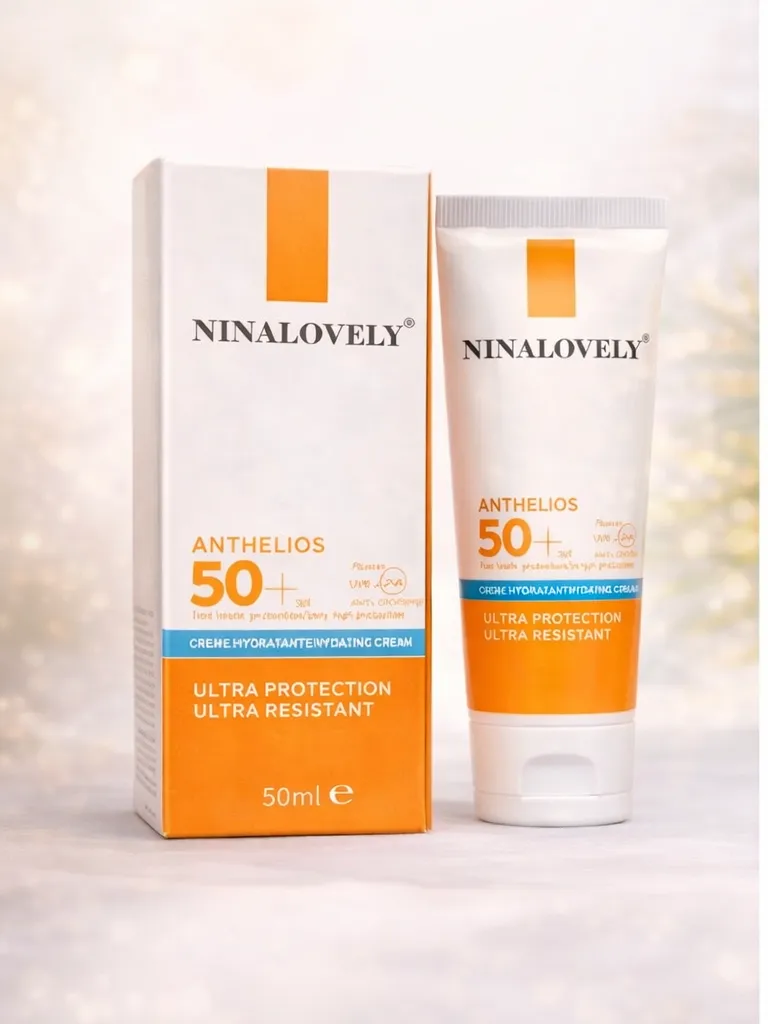
Since UV exposure is the single biggest driver of collagen breakdown, sunscreen is — without exaggeration — the most effective 'collagen-boosting' step available. It doesn't add collagen, but it stops the single fastest way you lose it.
2. Support your skin's renewal cycle
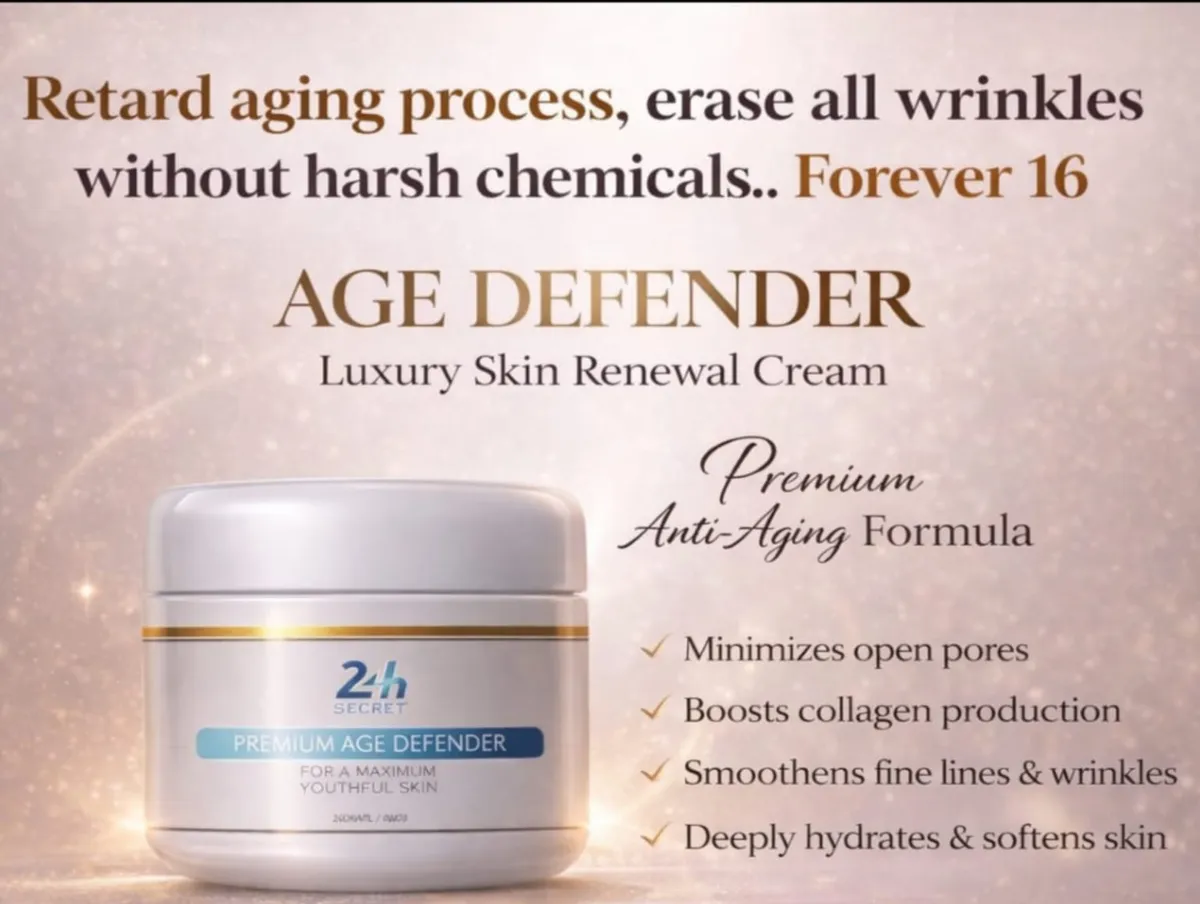
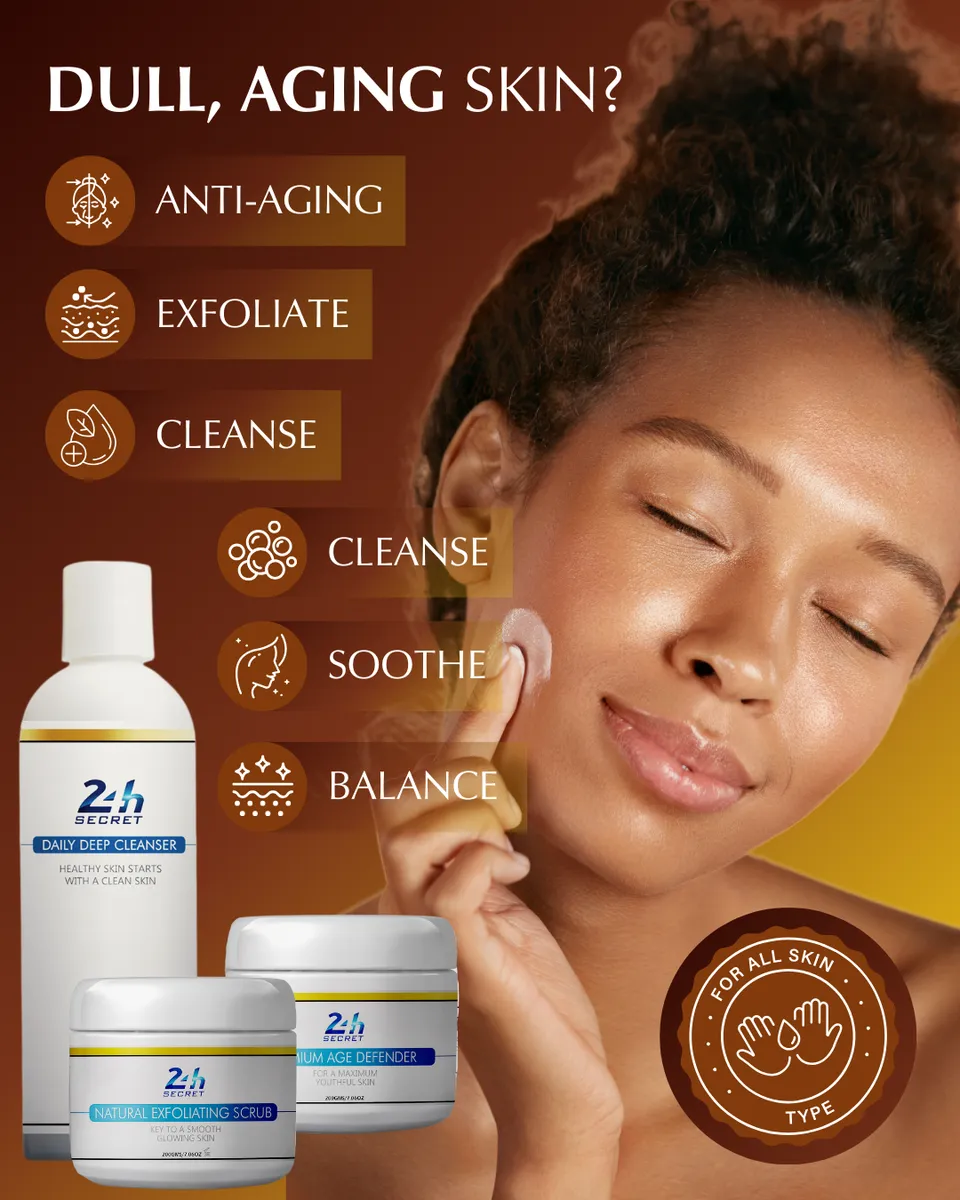
A treatment formulated to support collagen renewal helps stimulate your skin's own production processes rather than trying to deliver collagen directly. This is where consistent use over weeks — not days — actually shows in firmer, more elastic-feeling skin.
3. Gentle exfoliation
Regular, gentle exfoliation clears dead surface cells and speeds up your skin's natural renewal cycle, which indirectly supports a healthier collagen-production environment. This is a supporting step, not a replacement for sun protection.
4. Keep the skin barrier hydrated and healthy
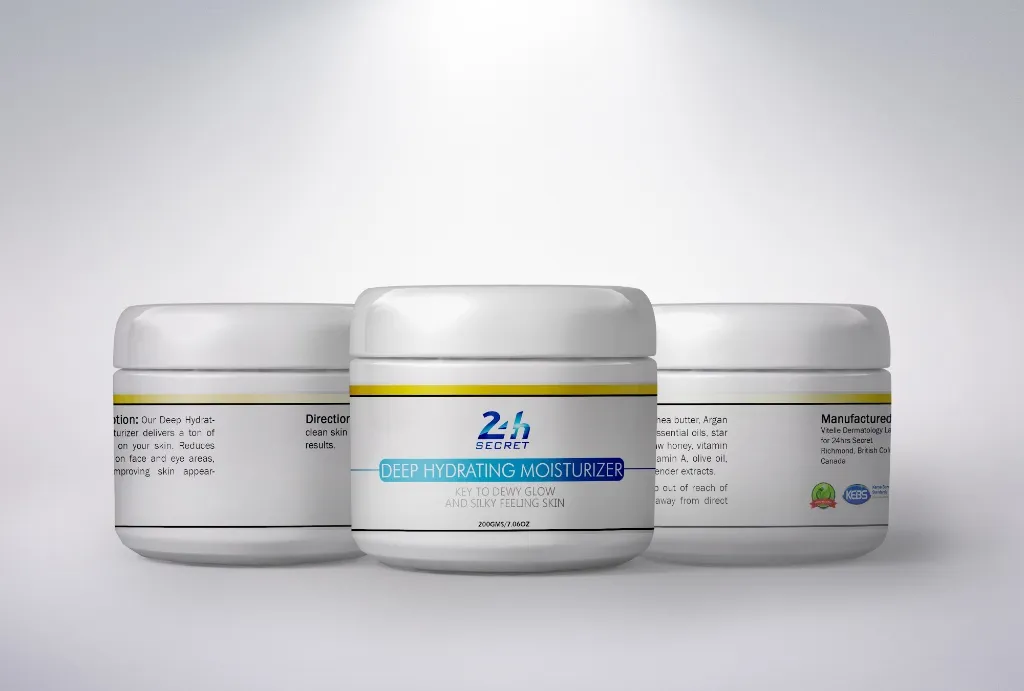
A dehydrated, compromised skin barrier is under constant low-level stress, which is not the environment your skin needs to prioritize collagen renewal. Deep, consistent hydration supports the conditions collagen production needs.
Does diet actually matter?
Yes, but more modestly than supplement marketing suggests. Your body builds collagen from amino acids (found in protein-rich foods) using vitamin C as a required cofactor in the process. Rather than chasing any single 'collagen food', the more useful frame is: eat enough protein, get regular vitamin C (citrus, leafy greens, peppers), and limit the things known to damage collagen — excess sugar and smoking. No food or drink delivers collagen directly to your skin; digestion breaks it down into amino acids like any other protein.
How long until you see a difference?
Sun protection prevents further loss immediately, but visible improvements in firmness and elasticity from a collagen-supporting routine typically build over 8–10 weeks of consistent use — this reflects real biological renewal cycles, not marketing timelines. As with all anti-aging skincare, it's a maintenance process: results compound the longer you stay consistent.
The one non-negotiable
If you do nothing else for your skin's collagen, wear sunscreen every day. It's the single most effective, most evidence-backed collagen-protecting habit there is — more impactful than any cream, serum or supplement.