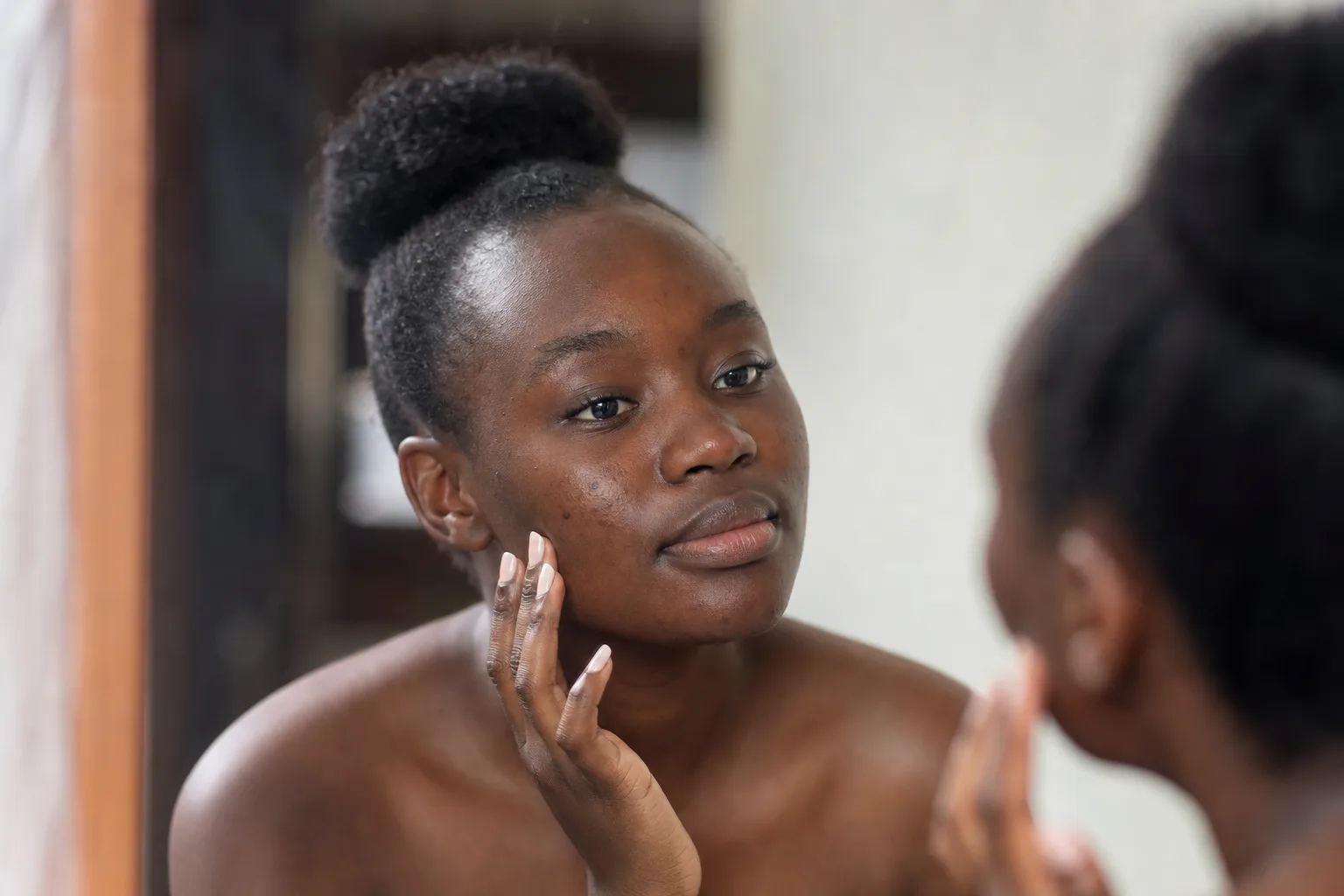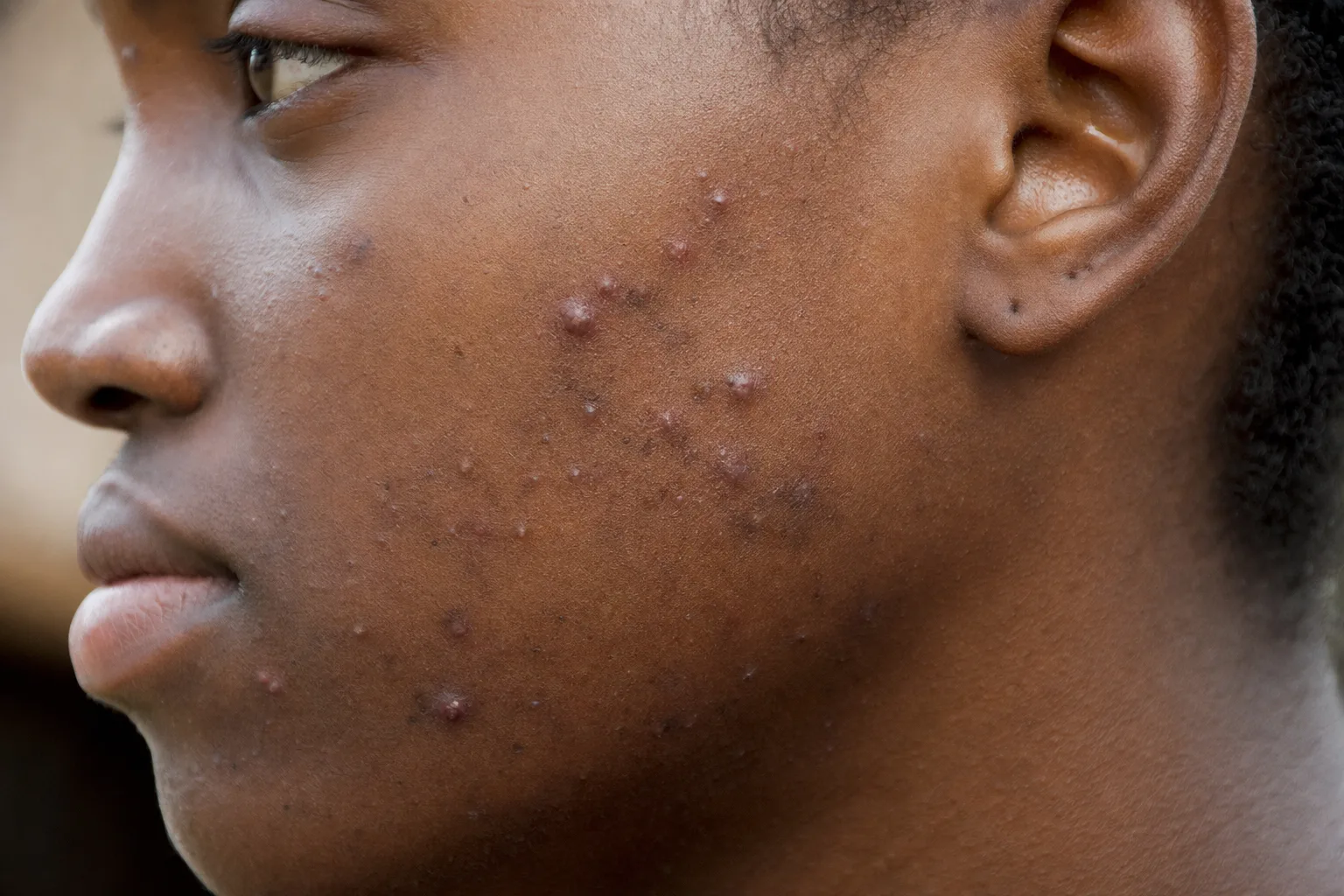
Not all acne is the same, and cystic acne is the clearest example of why. If you've dealt with a hard, painful lump under your skin that takes weeks to resolve — rather than a typical pimple that comes to a head in a few days — you're dealing with something genuinely different from ordinary breakouts, and it deserves a different level of care.
What makes cystic acne different
Ordinary acne — whiteheads, blackheads, small inflamed pimples — forms near the surface of the skin. Cystic acne forms much deeper, when a clogged, infected follicle ruptures beneath the skin's surface, spreading inflammation into the surrounding tissue. This is why cysts feel like firm, tender lumps rather than surface bumps, why they're painful to the touch, and why they can take weeks rather than days to resolve on their own.
Why cystic acne scars more easily
Because the inflammation sits deep in the skin, it can damage the surrounding collagen structure as it heals — this is what leads to true textured scarring (indented or raised), not just a flat dark mark. This is the single biggest reason cystic acne needs to be treated carefully rather than picked at or left to "run its course."
What causes it
- Hormonal fluctuations. Cystic acne is very often hormonally driven — this is why it frequently clusters along the jawline and chin and can flare in a monthly pattern.
- Excess oil combined with deep pore blockage. When oil and dead skin cells build up deep in a follicle rather than near the surface, the resulting blockage is harder for the skin to clear on its own.
- Genetics. A family history of cystic or severe acne raises the likelihood of experiencing it yourself — it isn't purely a hygiene or lifestyle issue.
- Picking and squeezing. Attempting to "pop" a cyst almost always pushes the infection and inflammation deeper, which is the opposite of what you want.
A realistic treatment approach
1. Treat the full cycle, not just the visible lump
Because cystic acne is driven by oil, deep blockage and inflammation together, a treatment that addresses all of these — rather than just spot-treating the surface — gives the best chance of reducing both frequency and severity over time.
2. Support renewal without aggravating active cysts
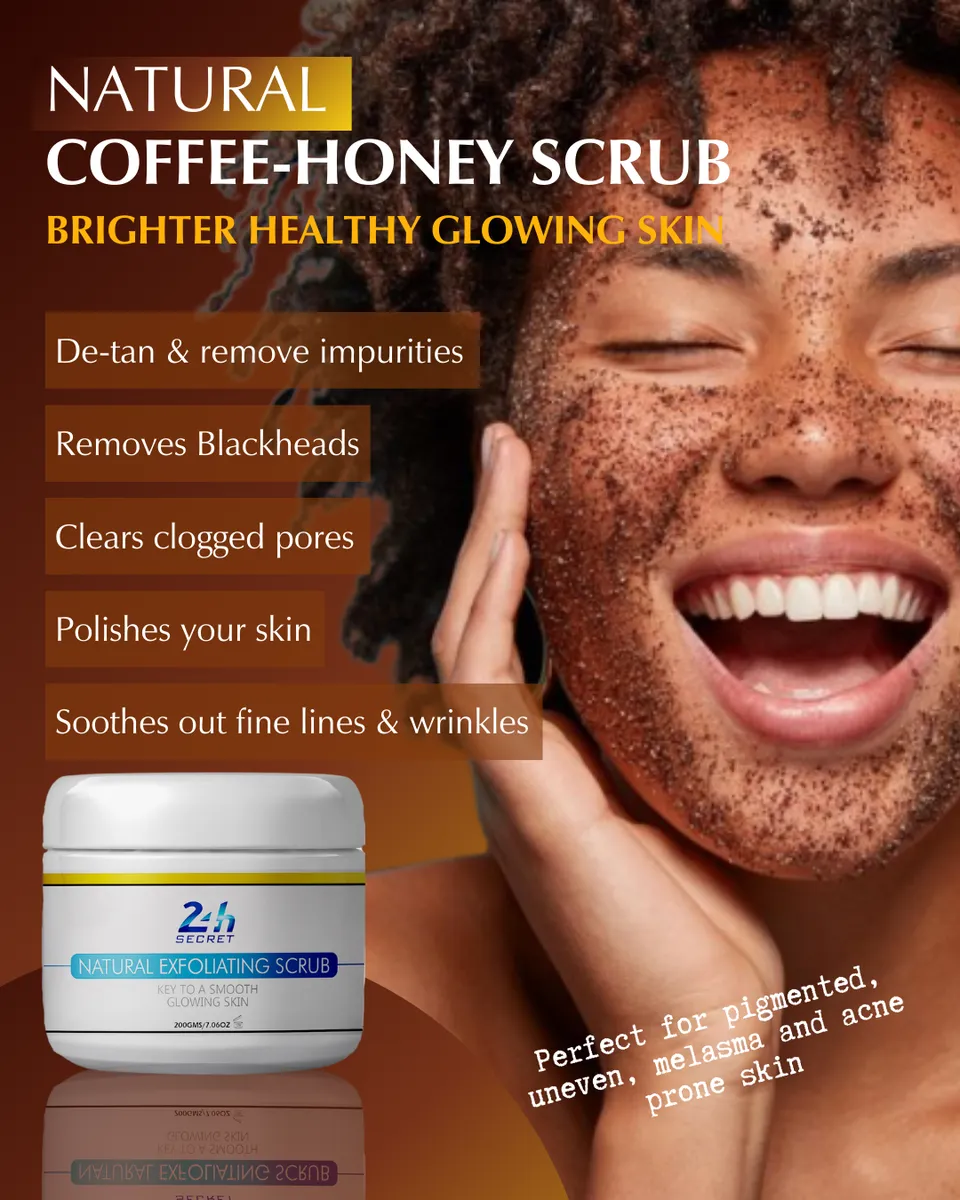
Gentle exfoliation helps prevent new blockages from forming, but should be used carefully around active, inflamed cysts — the goal is prevention between flares, not aggravating a lump that's already inflamed.
3. Protect against scarring
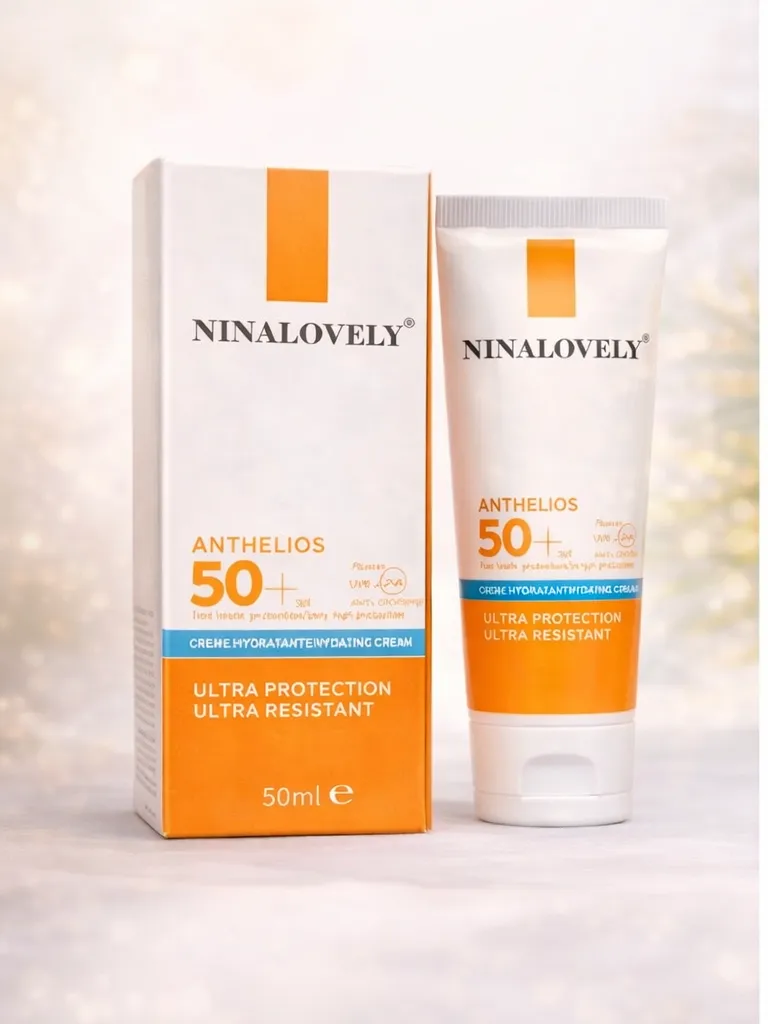
Since cystic acne carries real scarring risk, daily SPF is especially important here — healed cyst marks are prone to re-darkening in the sun, which turns a temporary mark into a much slower-fading one.
The complete kit for chronic, deep breakouts
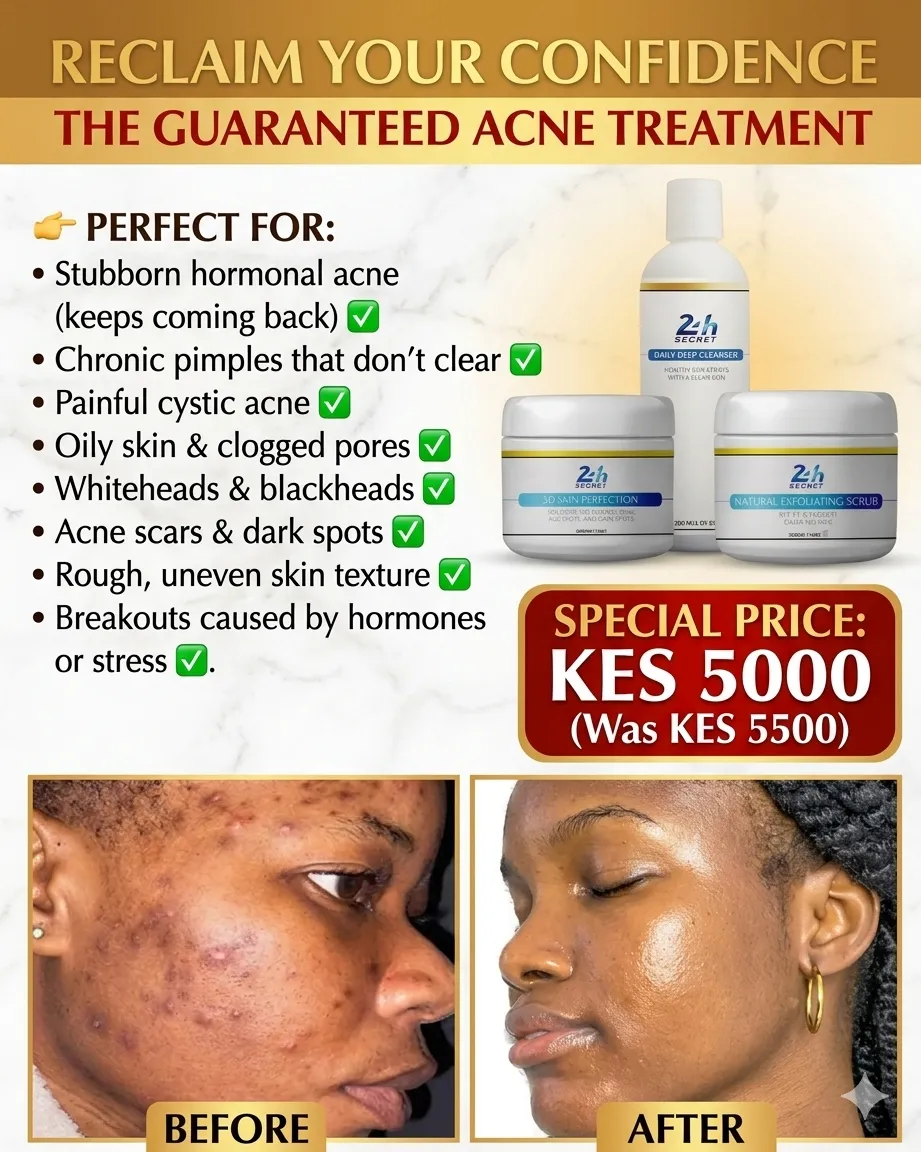
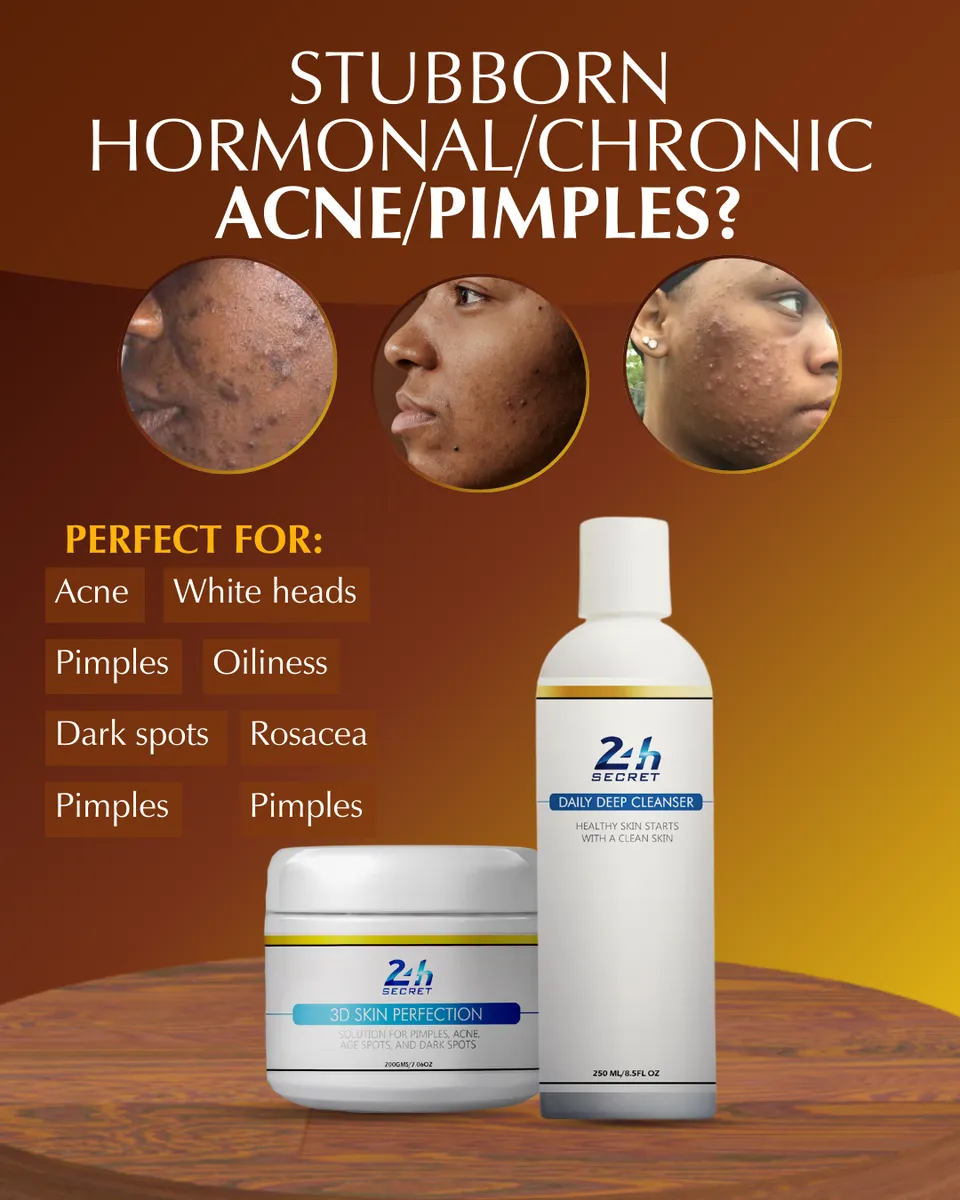
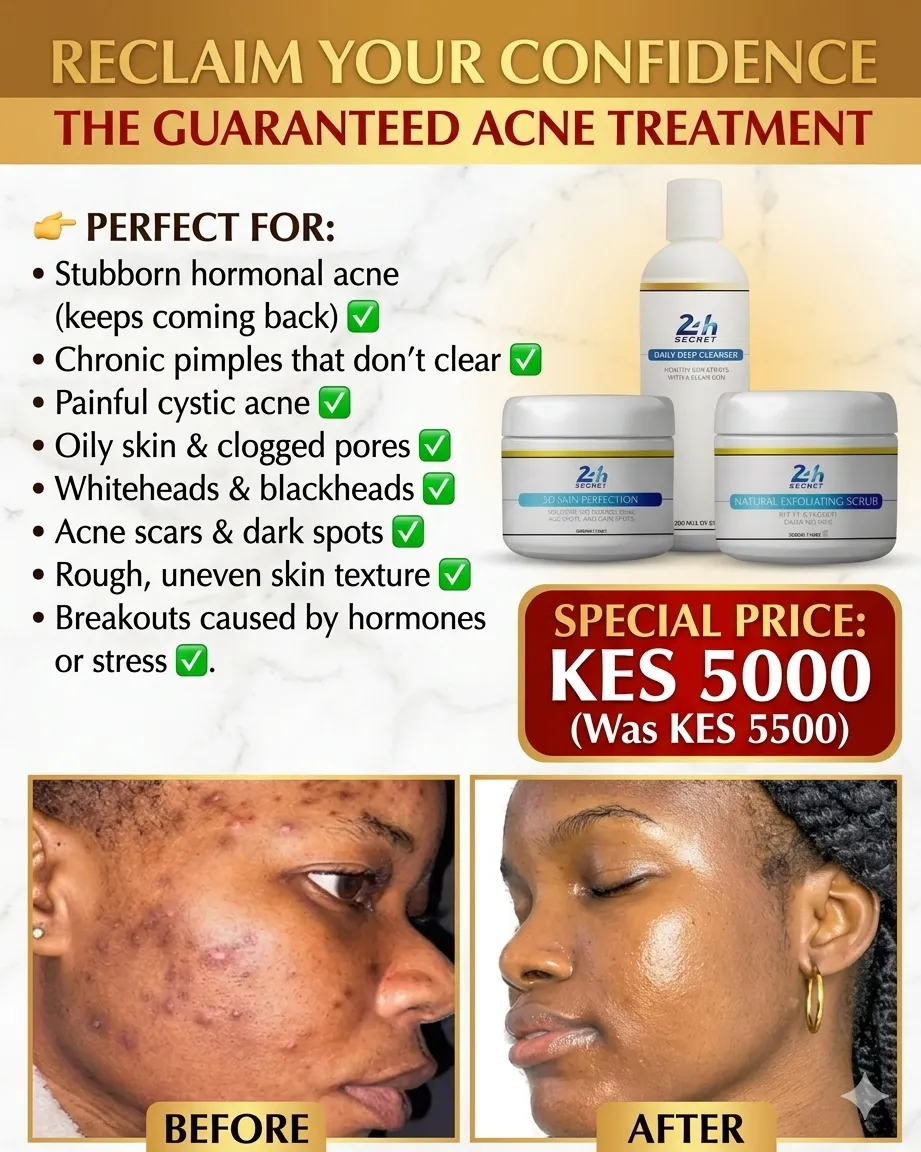
Our Advanced Stubborn Acne Repair Kit is specifically built for chronic hormonal acne, deep cystic breakouts, nodules and the marks they leave behind — combining active treatment with the exfoliation step that helps prevent recurrence.
When to see a dermatologist
A consistent skincare routine genuinely helps reduce cystic acne's frequency and severity for many people. But if breakouts are severe, widespread, extremely painful, or leaving noticeable scarring despite consistent treatment, that's a sign to combine skincare with a dermatologist's input — options like prescription medication may be appropriate for cases that need more than a topical routine can offer. This isn't a failure of the routine; some cystic acne genuinely needs both approaches together.
The one thing never to do
Never squeeze or attempt to pop a cyst. Unlike a surface pimple, there's nothing to safely release — squeezing only pushes inflammation and bacteria deeper, extending healing time and significantly raising the risk of permanent scarring.