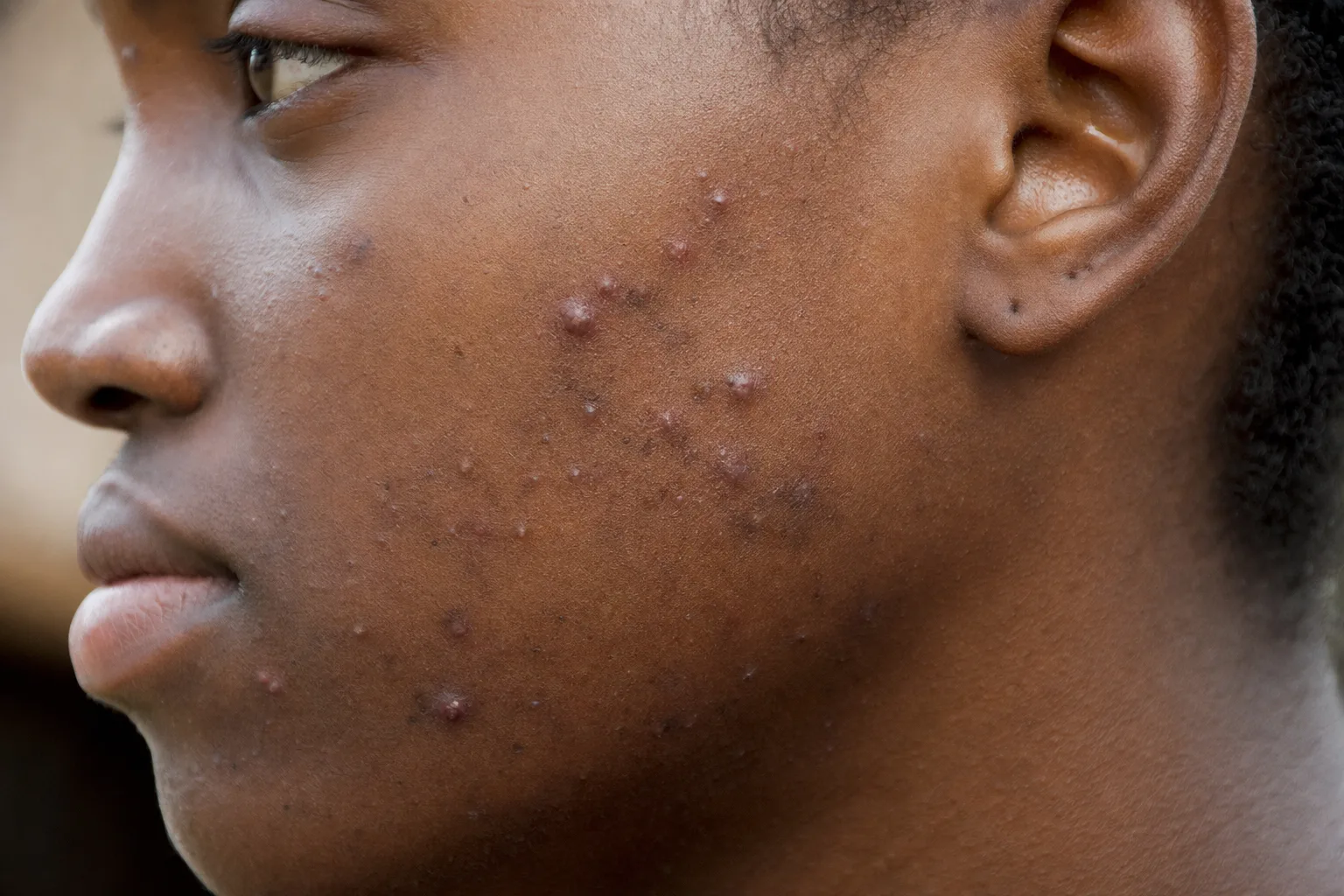
"Cut out sugar and your skin will clear up" is one of the most repeated pieces of skincare advice there is — and like most oversimplified advice, it captures a real link while overstating it. Diet does influence acne for some people, but it isn't the primary driver, and treating it like the main cause often means neglecting the skincare routine that actually addresses what's happening in the skin.
What actually causes acne
Before getting into food, it's worth remembering what drives acne in the first place: excess oil production, clogged pores, acne-causing bacteria and inflammation — all of it heavily influenced by hormones. Diet can nudge some of these factors, but it doesn't replace them as the underlying cause, which is why cutting out a food group alone rarely clears skin on its own.
Sugar and refined carbs — the strongest link
Of all the diet-and-acne claims, this one has the most consistent evidence behind it. High-glycemic foods — white bread, sugary drinks, refined carbohydrates — cause rapid spikes in blood sugar and insulin. Elevated insulin can increase androgen hormone activity and oil production, both of which feed directly into the acne cycle. This doesn't mean sugar alone causes acne, but consistently high intake of high-glycemic foods is the diet factor most likely to make existing acne worse.
Why chocolate gets blamed more than it deserves
Chocolate's bad reputation largely comes from its usual company — sugary, high-glycemic desserts and snacks. Dark chocolate with high cocoa content and low sugar has much weaker evidence linking it to breakouts than the sugar-laden milk chocolate and desserts most people actually associate it with. The sugar, not the cocoa, appears to be doing most of the work.
Dairy — a real but individual link
Some studies link milk consumption, particularly skim milk, to increased acne — likely due to hormones naturally present in milk that can influence oil production. This effect isn't universal, though: some people notice a clear connection between dairy and breakouts, and many others notice none at all. If you suspect dairy affects your skin, a short, deliberate elimination and reintroduction is a more useful test than assuming it applies to you based on general advice.
What matters more than diet
Even with a clear diet trigger, food alone rarely explains a full acne pattern. A consistent skincare routine that addresses oil, clogged pores, bacteria and inflammation directly will do far more for most people's skin than any dietary change on its own.
If you want to test a dietary link responsibly: pick one variable (added sugar, or dairy) at a time, cut it consistently for 4–6 weeks alongside your normal skincare routine, and watch for a genuine change — rather than overhauling your whole diet at once and being unable to tell what actually helped.
So, does diet cause acne?
Not on its own — but it can be a real contributing factor for some people, mainly through high-glycemic foods and, less universally, dairy. Treat diet as one supporting lever alongside a proper skincare routine, not a replacement for one. Someone eating a spotless diet can still break out from hormones and oil production alone, and someone with an imperfect diet can still see real improvement from a consistent routine.
The mistake to avoid
Don't wait for a diet overhaul to "fix" your skin before starting a proper routine. Treating the actual causes of acne — oil, clogged pores, bacteria, inflammation — works regardless of diet, and is the faster, more reliable lever to pull first.