If you've spent years fighting oily skin with the strongest, most drying products on the shelf and it never seems to actually improve — this is why: stripping oily skin usually makes it produce more oil, not less. Understanding the real mechanism changes everything about how to treat it.
What actually causes oily skin
- Genetics — some skin is simply predisposed to produce more sebum than average.
- Hormones — androgens stimulate oil glands, which is why oiliness often fluctuates with hormonal cycles, puberty, and stress.
- Climate and humidity — warm, humid conditions (common across much of Kenya) naturally increase oil production.
- Over-cleansing and harsh products — stripping natural oils triggers the skin to produce more to compensate, creating a frustrating cycle.
The counterintuitive truth
Oily skin needs proper hydration, not dehydration. Skin that's stripped of moisture reads this as a signal to produce more oil to protect itself — meaning the harshest, most "mattifying" products often backfire over time.
How oily skin leads to breakouts
Excess oil combines with dead skin cells and bacteria to clog pores — the direct pathway to blackheads, whiteheads and inflamed breakouts. This is why oily skin and acne are so often connected, and why balancing oil is a core part of any effective acne routine, not a separate concern.
The routine that actually balances oil
Effective oil control works with the skin's own processes rather than against them: gentle, non-stripping cleansing, targeted treatment for clogged pores and inflammation, and consistency over weeks rather than expecting an overnight change.
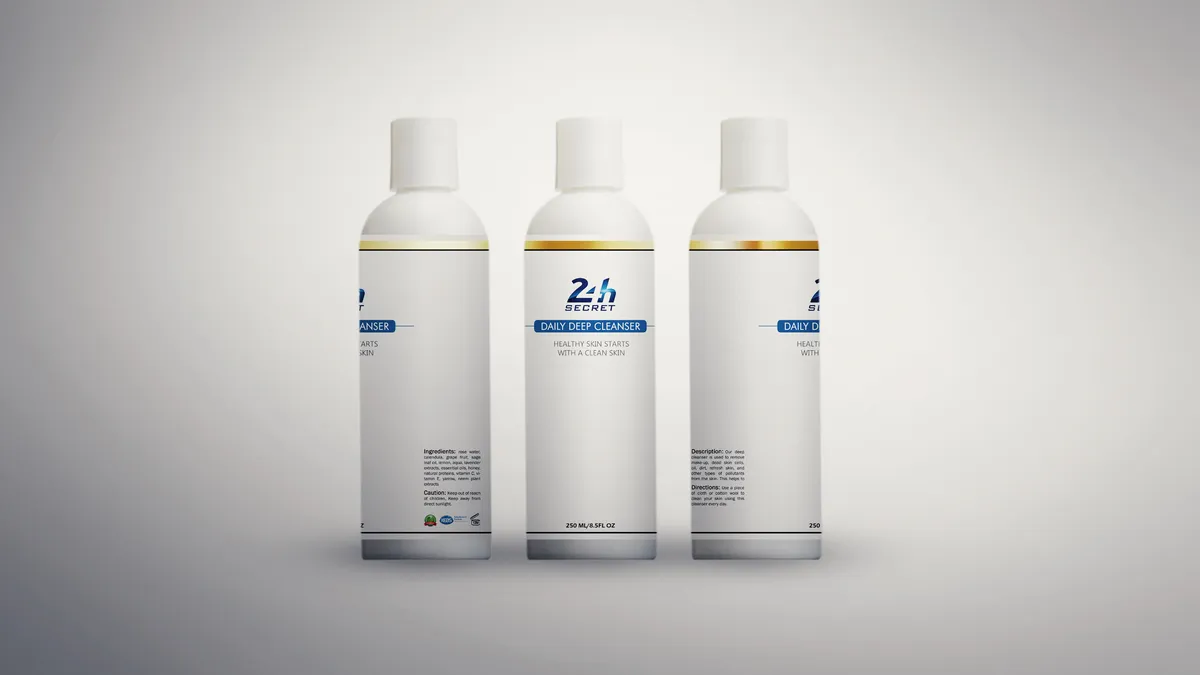
The Daily Deep Cleanser is specifically formulated to remove excess oil and buildup without over-stripping — the treatment-prep step that makes everything else in the routine work better.