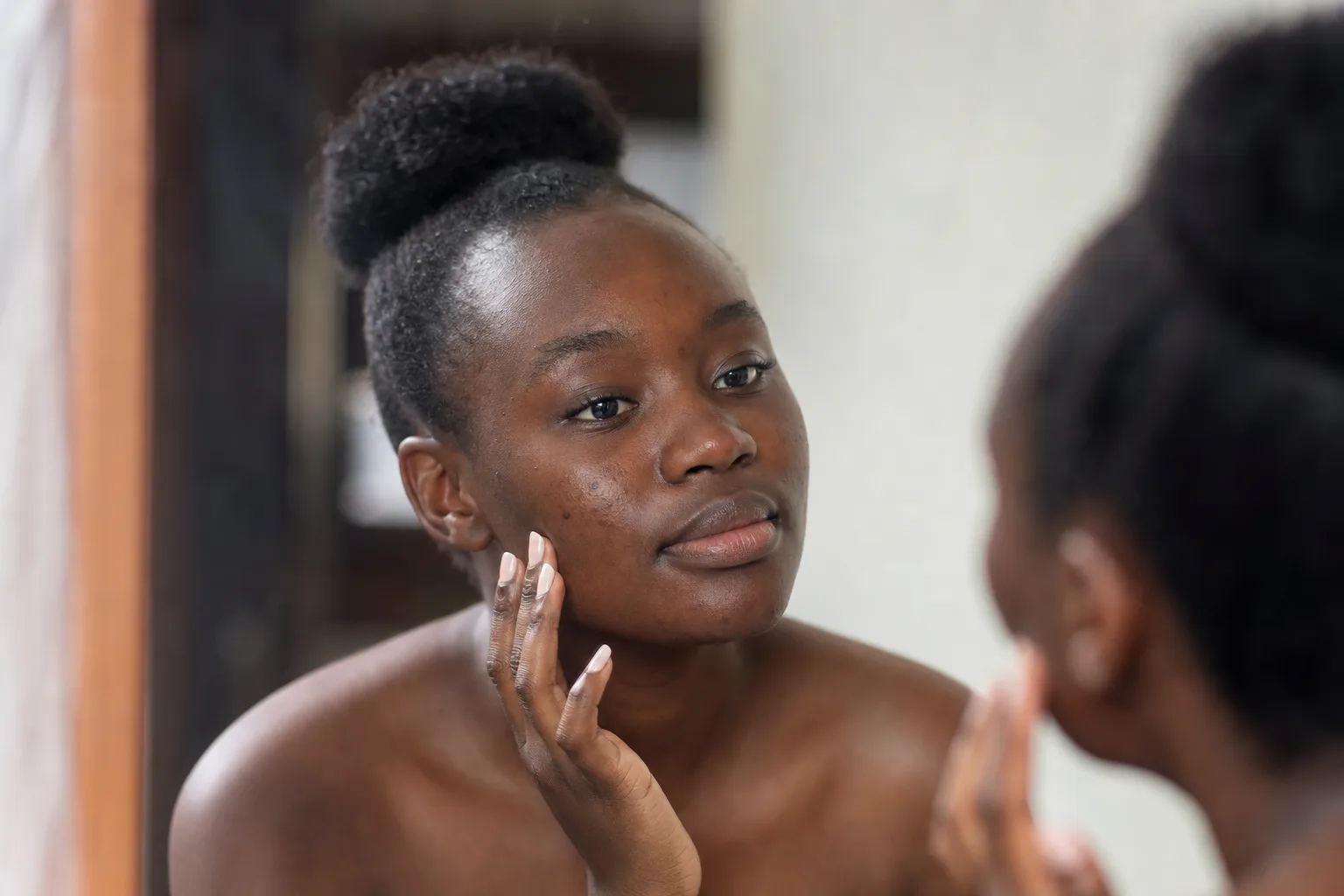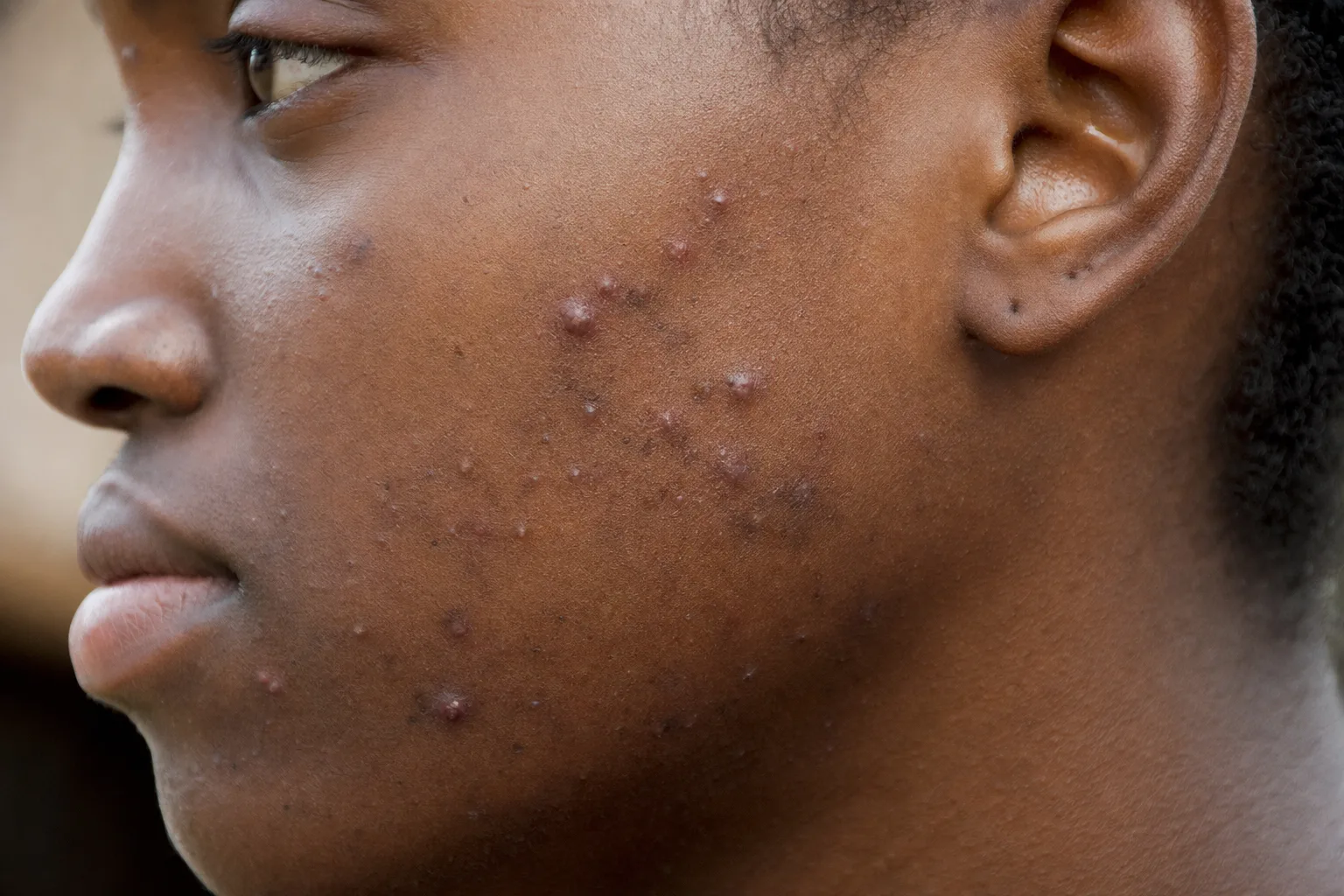
"How do I get rid of my acne scars" is one of the most common questions in skincare — and the honest first step is figuring out what you actually have. In the large majority of cases, what people call 'scars' are flat, dark marks left behind after a breakout heals, not true structural scarring. That distinction changes everything about how to treat it, so let's start there.
Step 1: work out what you're actually dealing with
Run a fingertip gently over the spot. If the skin feels smooth with no texture change, you are dealing with a flat pigment mark — technically post-inflammatory hyperpigmentation. If you feel an indent, a raised area, or an uneven texture, that is true scarring, where the breakout was deep or inflamed enough to affect the skin's underlying collagen.
Why this distinction matters
Flat marks are a pigmentation issue and respond very well to a consistent skincare routine. Textured scarring is a structural issue — skincare can improve overall skin tone and health around it, but deeper indented or raised scars often need professional treatment (like microneedling, chemical peels or laser) for full correction. Treating textured scarring like a pigment mark, or vice versa, wastes time.
Treating flat acne marks
Since these are a pigmentation issue, they respond to the same principle as fading any other dark mark: stop making new ones, regulate the pigment in existing ones, and exfoliate to help them clear faster.
1. Clear active breakouts first
This is the step people skip. If you are still breaking out, you are creating new marks at roughly the same rate you're fading old ones — which feels like your treatment 'isn't working' when really it's just being undermined by fresh acne.
2. Exfoliate to lift existing marks
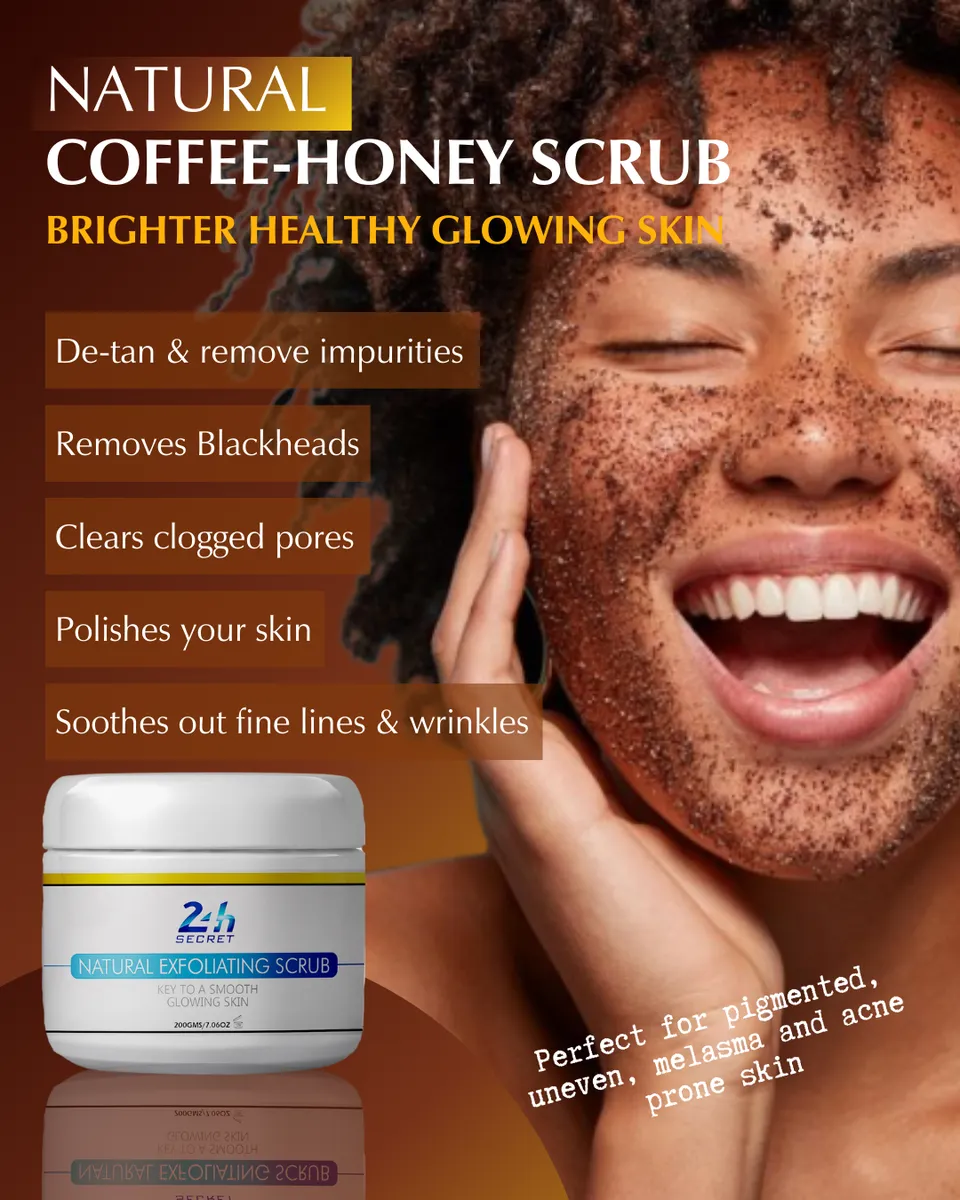
Gentle, consistent exfoliation 2–3 times a week helps lift pigment that has already settled into the skin and speeds up the renewal cycle that clears it out. This is the step that specifically targets marks, rather than just preventing new ones.
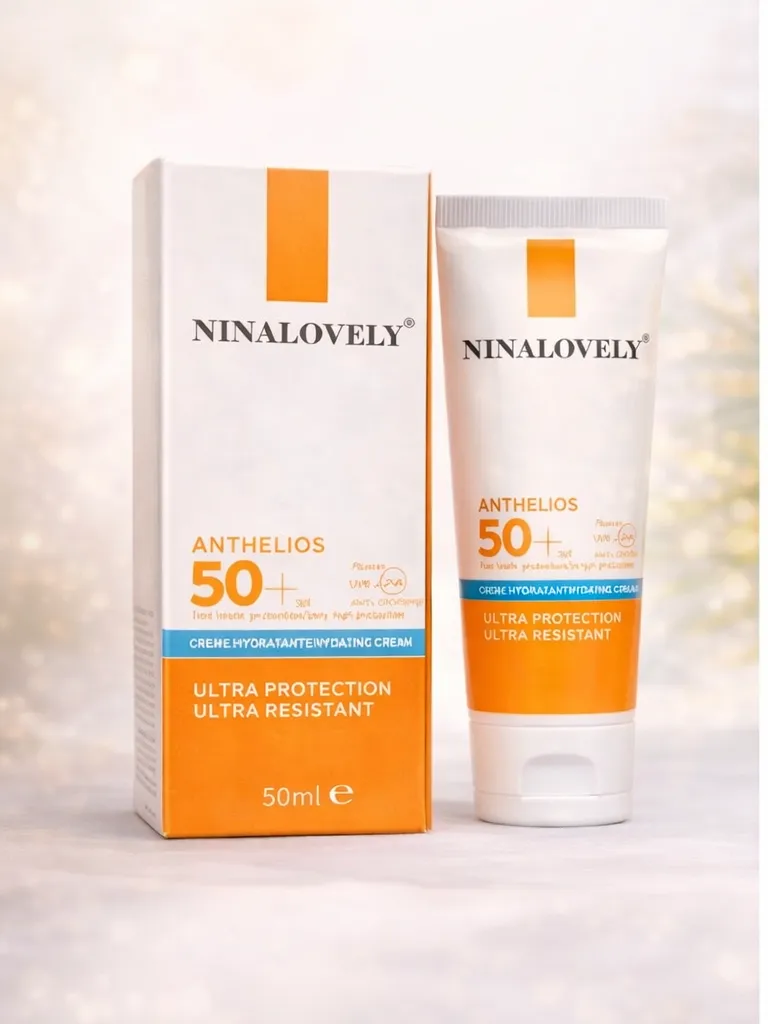
3. Protect with SPF every morning
Healed acne marks are especially prone to re-darkening when exposed to UV — sun exposure can undo weeks of fading in a single dry season if left unprotected.
Which kit fits your situation
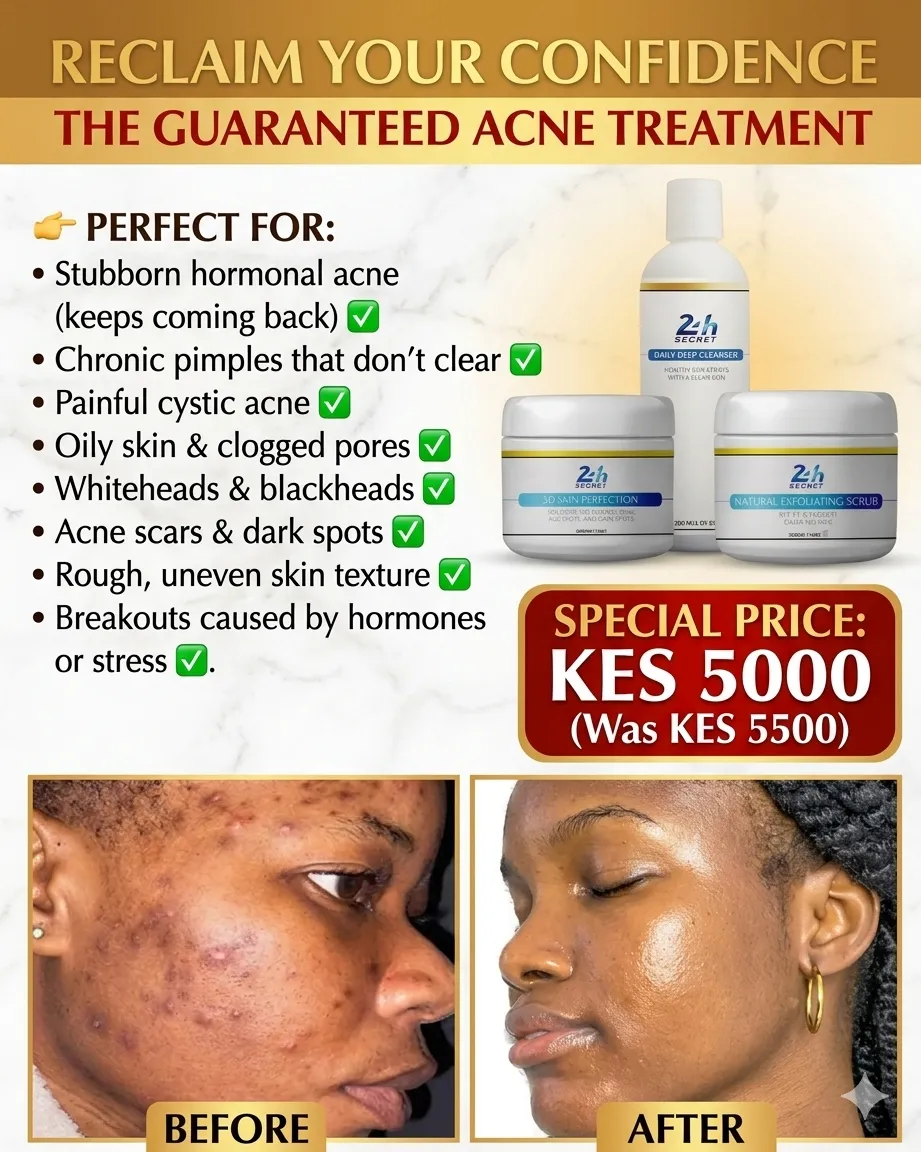
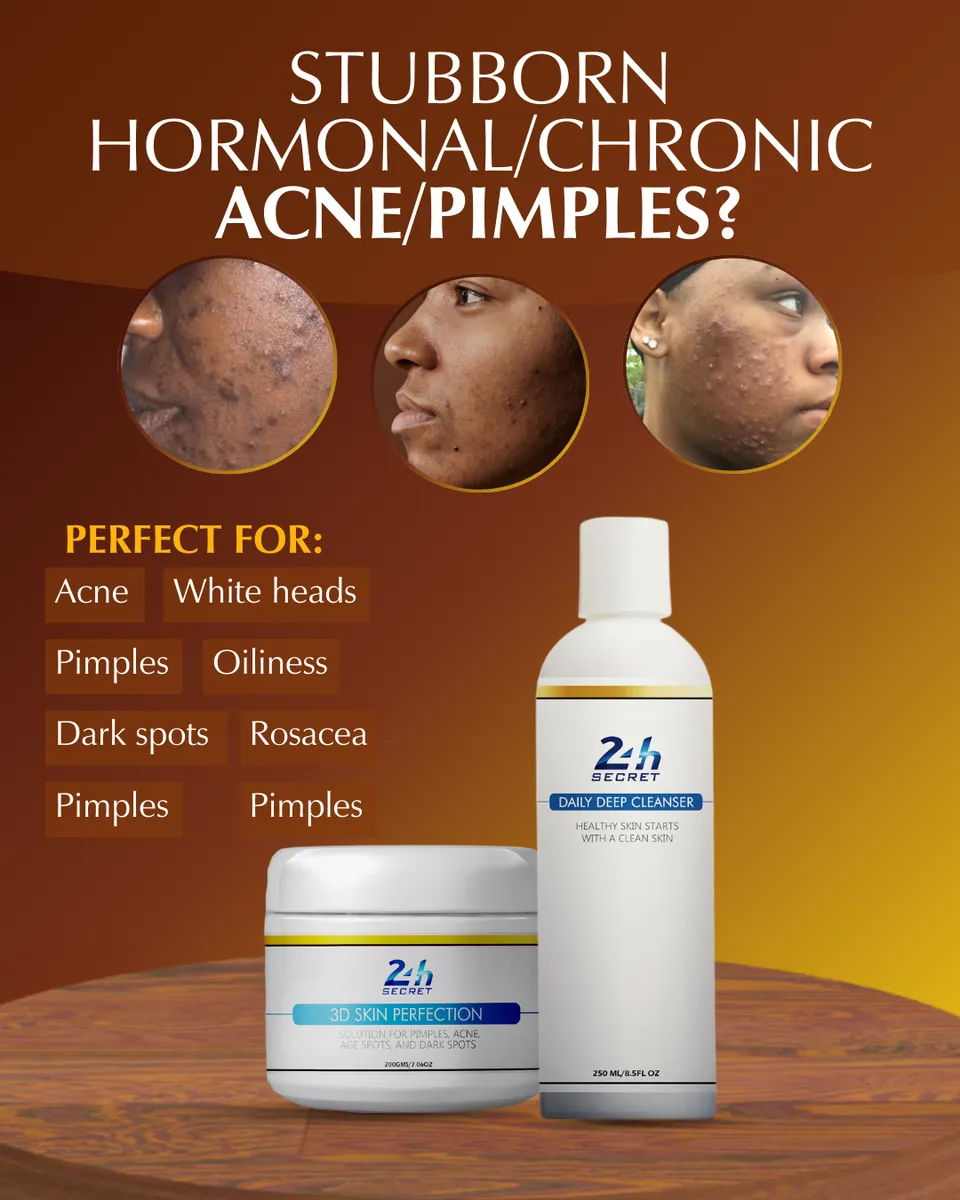
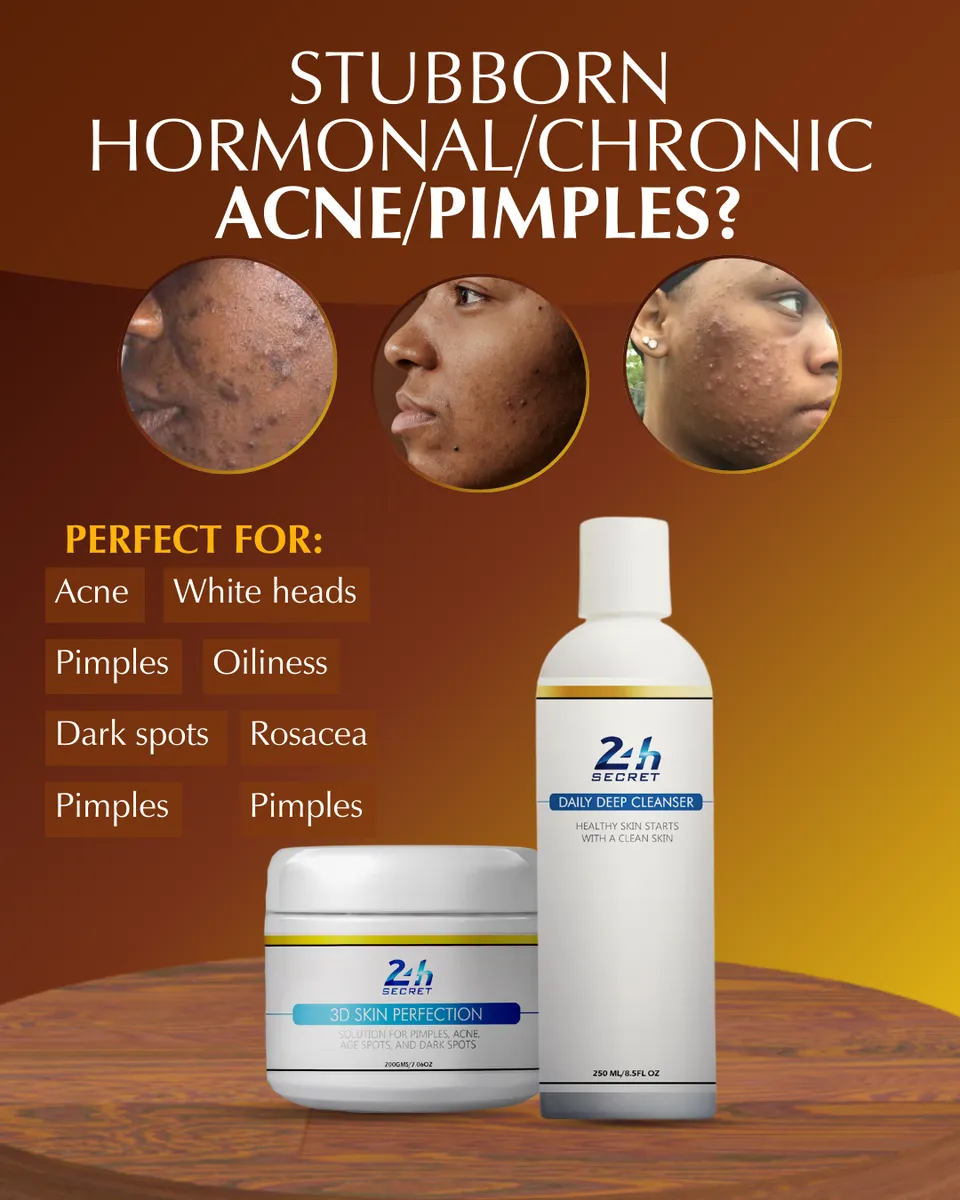
- Active breakouts with light, fresh marks: the Basic Acne Clearing Kit clears current acne and prevents new marks from forming.
- Established, stubborn marks alongside chronic or recurring acne: the Advanced Stubborn Acne Repair Kit adds exfoliation specifically to lift older, more settled marks.
What to do about true textured scarring
For genuine indented or raised scars, a consistent skincare routine still matters — it keeps active acne under control (preventing new scars from forming) and supports overall skin health and tone. But structural correction of existing texture typically requires a dermatologist or licensed skin professional, using treatments like microneedling, chemical peels or laser resurfacing that work at a deeper level than topical skincare can reach. If your scarring is textured rather than flat, treat what skincare can realistically improve, and get a professional opinion for the rest.
How long does it take to fade acne marks?
With active acne under control and a consistent regulate-and-exfoliate routine, most flat marks fade noticeably within 4–8 weeks, with fuller fading by 8–12 weeks. Darker, more established marks and deeper skin tones can take longer, since pigment sits in more layers of the skin. Consistency — not product strength — is what determines how fast marks actually clear.
The mistake that undoes progress
Picking or squeezing a fresh breakout is the single biggest cause of both worse marks and true scarring — it drives inflammation deeper into the skin. Letting breakouts heal untouched, while treating the cause, is the best prevention there is.