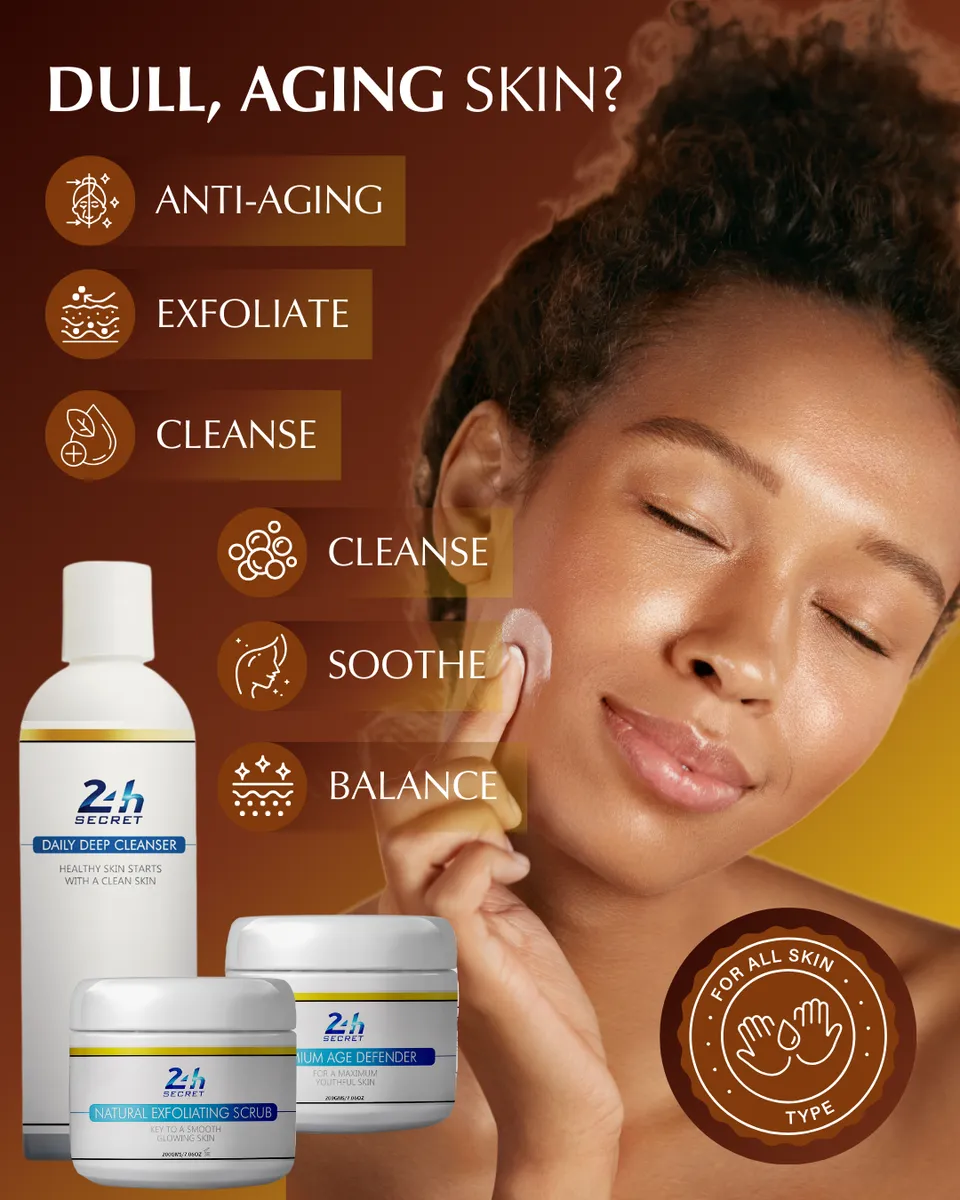
Retinol gets recommended constantly in anti-aging skincare advice, and for good reason — it genuinely works. But it isn't the right fit for everyone: it commonly causes redness, peeling, dryness and increased sun sensitivity, especially when first introduced or used too often. If your skin is sensitive, already barrier-compromised, or you live somewhere with strong year-round sun, a gentler renewal approach can get you real results without that irritation period.
Why retinol irritates skin
Retinol works by speeding up skin cell turnover — pushing older cells to shed faster and newer cells to the surface sooner. That's exactly what smooths texture and softens fine lines, but it's also why it commonly causes redness, flaking and a temporary 'retinol purge' as skin adjusts. It also thins the outermost protective layer slightly, which is why retinol users are told to wear sunscreen religiously — skin becomes more vulnerable to UV damage during use.
Why this matters more in Kenya
Kenya's equatorial sun means UV intensity stays high year-round. Retinol's sun-sensitizing effect is a bigger practical trade-off here than in cooler, lower-UV climates — if sunscreen isn't a fully locked-in daily habit, that increased sensitivity can do more harm than the retinol's benefit is worth.
Natural alternatives that support skin renewal
1. Antioxidants
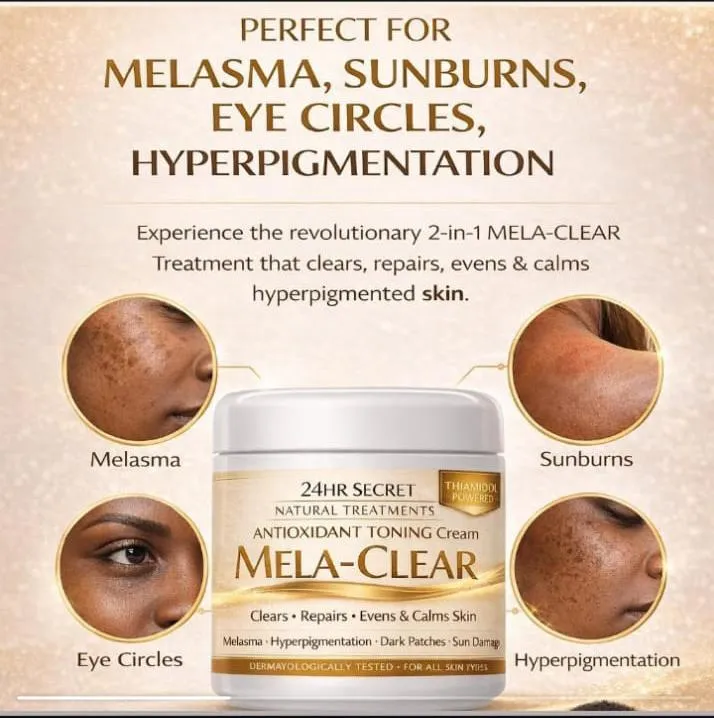
Antioxidants work differently from retinol — instead of forcing faster cell turnover, they protect existing skin structure from the environmental damage (UV, pollution) that ages skin in the first place. This is a genuinely different mechanism, not a weaker version of the same one, and it carries far less irritation risk.
2. Gentle, consistent exfoliation
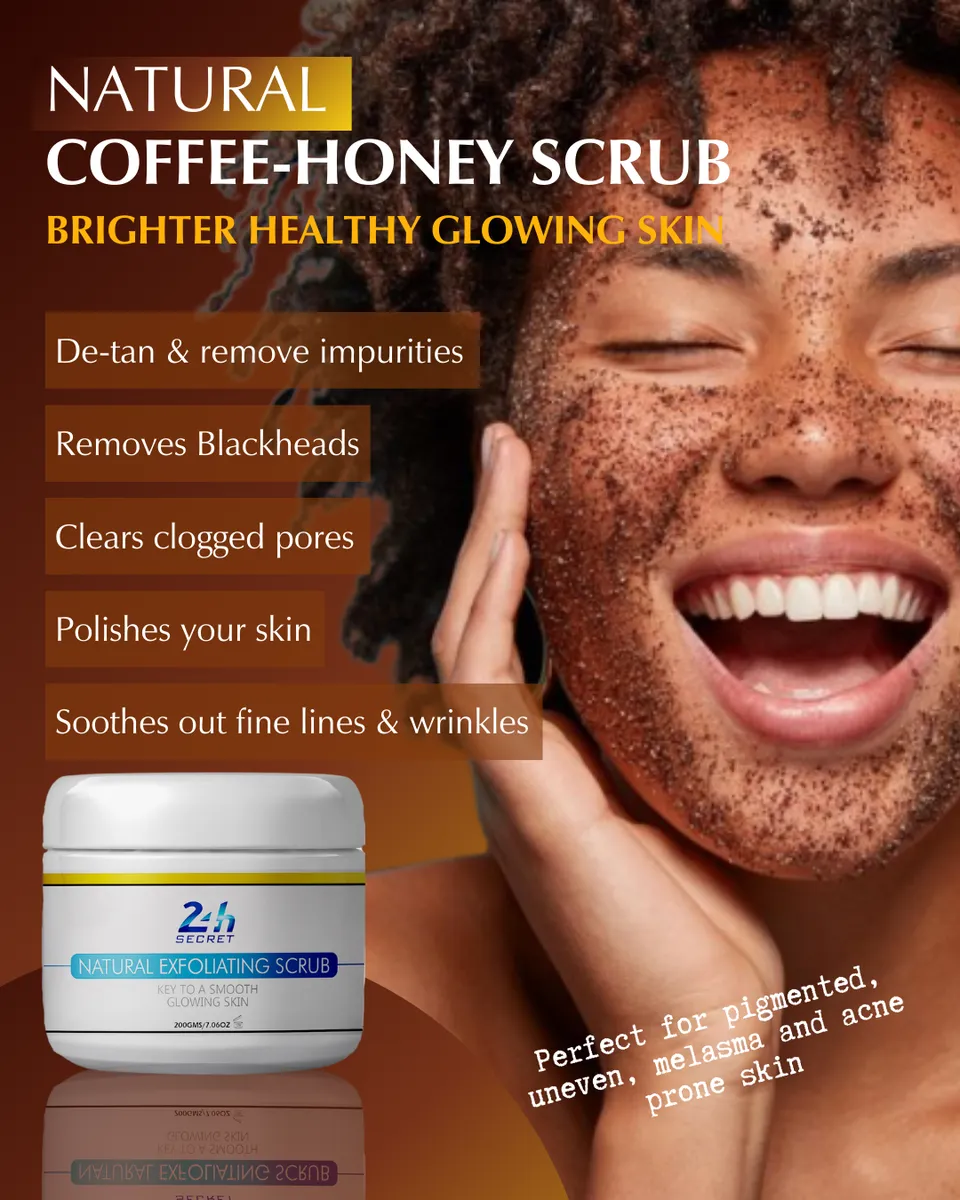
A gentle exfoliating treatment used 2–3 times a week achieves part of what retinol does — clearing dead surface cells and encouraging renewal — with a much gentler, more controllable intensity than a daily retinol routine.
3. A collagen-supporting treatment
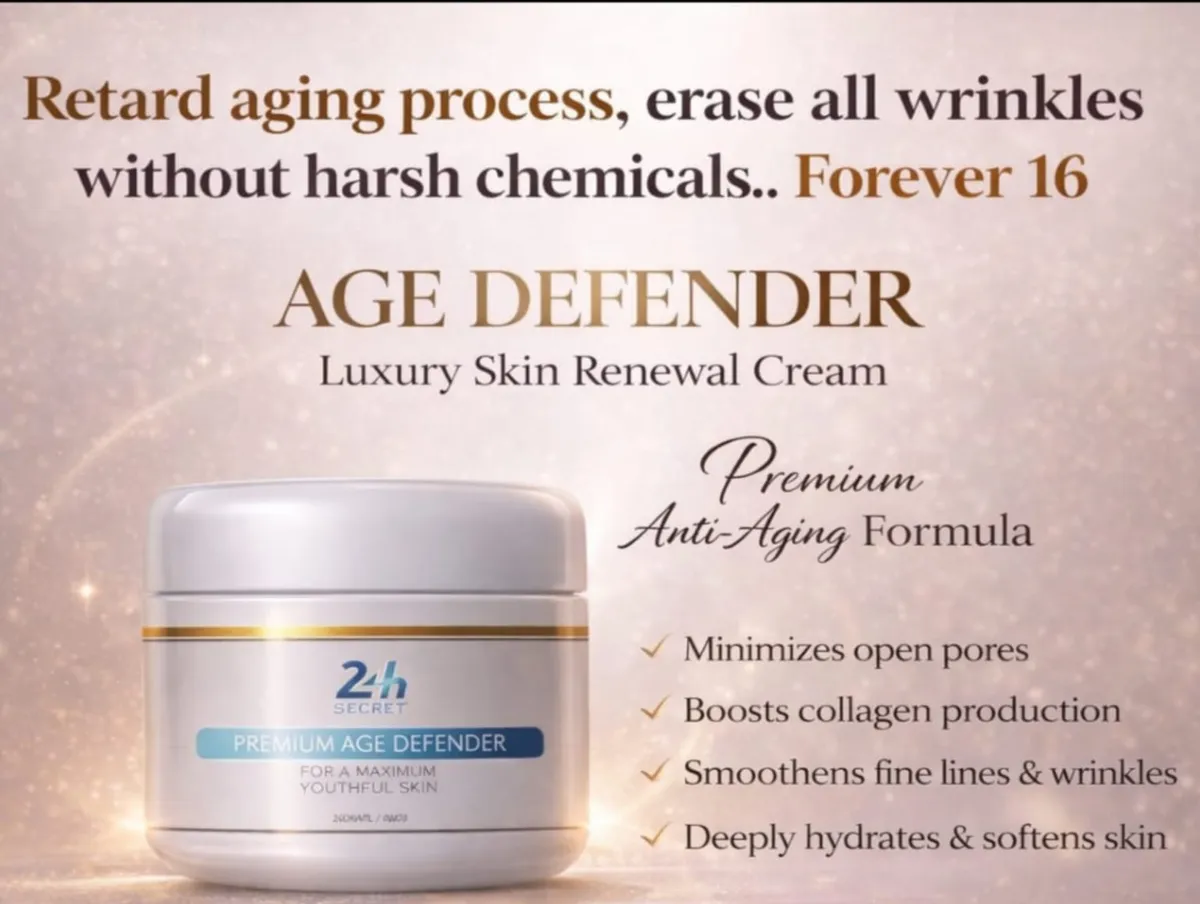
Rather than forcing faster cell turnover, a treatment that supports the skin's own collagen renewal addresses firmness and fine lines from a different angle — slower to show results, but far gentler on sensitive or already-stressed skin.
4. Barrier-first hydration
A strong, well-hydrated skin barrier is what makes any renewal approach sustainable. This matters even more without retinol's forced exfoliation — deep hydration keeps naturally-renewing skin comfortable and resilient rather than dry and reactive.
What to expect, realistically
Natural alternatives are gentler, which means they're also slower. Where retinol can show visible texture changes within a few weeks (alongside visible irritation for many users), a natural renewal routine typically takes 8–12 weeks of consistent use to show comparable improvements in texture and fine lines — with a much lower chance of redness, peeling or a damaged barrier along the way.
You don't have to choose forever
Some people start with gentler alternatives to build tolerance and a healthy barrier first, then introduce retinol later if they want its faster effects. Others find the natural route delivers results they're happy with and never need to. Either is a legitimate approach — this isn't an all-or-nothing decision.