If you have ever stood in a pharmacy aisle comparing acne products, you have run into this exact question: salicylic acid or benzoyl peroxide? Both are genuinely effective, backed by decades of research — but they work in different ways and suit different breakouts. Picking the wrong one for your skin, or expecting one ingredient to fix every kind of acne, is one of the most common reasons treatment stalls.
How salicylic acid works
Salicylic acid is a beta-hydroxy acid (BHA) that is oil-soluble, which means it can penetrate into the oily lining of the pore itself rather than just sitting on the skin's surface. Once inside, it dissolves the buildup of dead skin cells and excess oil that clogs the pore, and gently exfoliates the skin's surface at the same time.
- Best for: blackheads, whiteheads, clogged pores, oily skin and rough texture.
- How it feels: generally gentler than benzoyl peroxide, with mild dryness or flaking as the most common side effect.
- Where it falls short: it does little against acne-causing bacteria, so it is less effective on deeply inflamed, red or pus-filled breakouts on its own.
How benzoyl peroxide works
Benzoyl peroxide works differently — it releases oxygen into the pore, which directly kills acne-causing bacteria (C. acnes) that thrive in low-oxygen, clogged environments. It also has a mild exfoliating effect, but its main strength is tackling the bacterial and inflammatory side of a breakout.
- Best for: inflamed, red, pus-filled breakouts and active bacterial acne.
- How it feels: more likely to cause dryness, redness or peeling than salicylic acid, especially at higher strengths.
- Where it falls short: it does not clear the physical buildup of oil and dead skin the way salicylic acid does, so clogged, non-inflamed pores respond less to it.
| Salicylic Acid | Benzoyl Peroxide | |
|---|---|---|
| Main action | Dissolves oil & buildup inside the pore | Kills acne-causing bacteria |
| Best for | Blackheads, whiteheads, clogged pores | Red, inflamed, pus-filled breakouts |
| Gentleness | Generally gentler | Can be more drying/irritating |
| Weak point | Limited effect on bacteria/inflammation | Limited effect on clogged pores/buildup |
Why picking 'the strongest one' backfires
Both ingredients irritate the skin barrier if used too often or at too high a strength before your skin adjusts. A damaged barrier inflames more easily and produces more oil to compensate — which can make acne worse rather than better. Start with lower strength and frequency, and build up gradually.
So which one do you actually need?
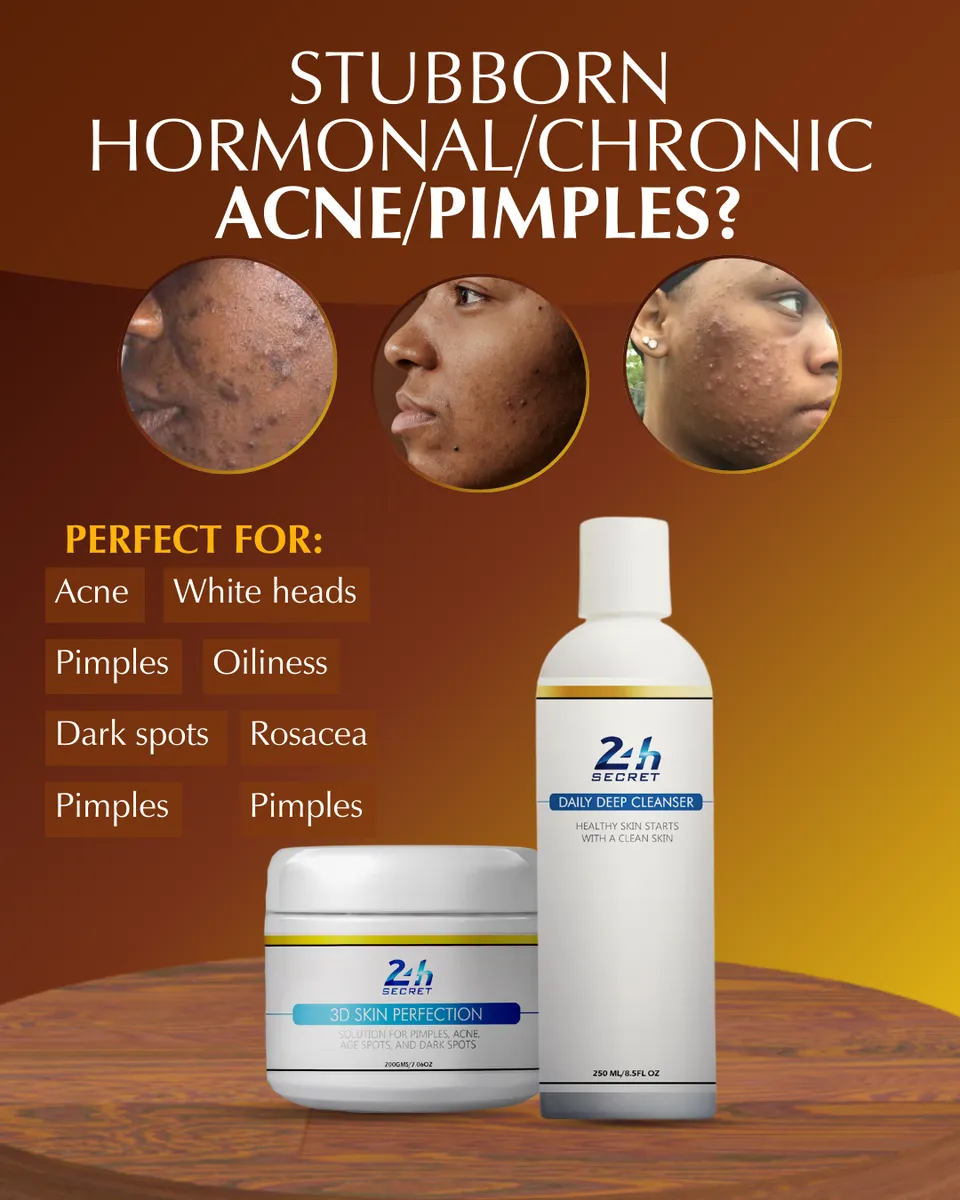
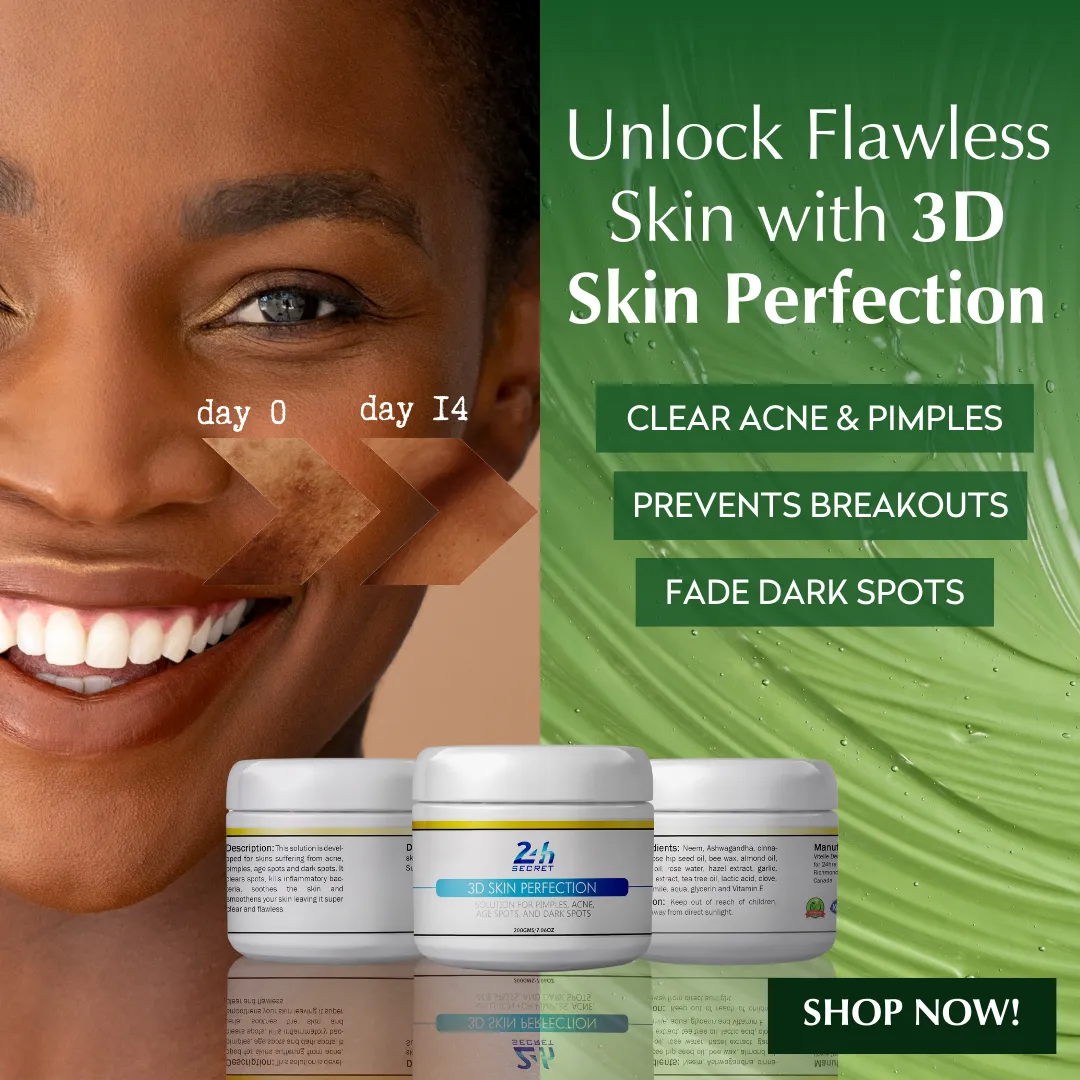
The honest answer is: most people benefit from addressing both the clogged-pore side and the bacterial-inflammation side, since real-world acne is rarely just one or the other. This is exactly why we do not build our acne routine around a single acid — 3D Skin Perfection is formulated to reduce excess oil, clear clogged pores, calm inflammation and target bacteria together, so you are not stuck choosing one ingredient and hoping it covers everything.
If your skin leans more clogged-and-textured (blackheads, whiteheads, rough patches), pair your treatment with gentle exfoliation to lift buildup further. If it leans more inflamed-and-red (cystic, painful, angry breakouts), focus on calming inflammation and avoid over-exfoliating on top of active breakouts.
How to introduce either ingredient safely
- Start 2–3 times a week, not daily, to let your skin build tolerance.
- Always follow with a proper moisturizer — treating acne is not the same as drying it out.
- Never combine multiple strong actives (e.g. a strong acid and a strong peroxide) in the same routine without easing in — the combined irritation compounds fast.
- Wear SPF the next morning; both ingredients can increase skin's sun sensitivity.