If your reliable skincare routine has suddenly stopped working — skin that's drier, more reactive, aging faster, or unexpectedly breaking out — perimenopause or menopause is very often the reason, and it's rarely talked about directly in mainstream skincare advice. The hormonal shift is real, significant, and changes what your skin actually needs.
What's happening hormonally
Estrogen plays a major role in skin health — supporting collagen production, oil output and the skin's ability to hold onto moisture. As estrogen levels decline through perimenopause and menopause, all three of those functions drop at once, which is why the skin changes at this stage can feel more sudden and more noticeable than the gradual aging of the 30s and 40s.
The collagen drop is real and fast
Research shows skin can lose up to 30% of its collagen in the first five years after menopause begins — a much steeper decline than the roughly 1% per year lost through ordinary aging. This is why firmness and elasticity can change noticeably within a relatively short window.
The changes to expect
- Sudden dryness. Reduced oil production means skin that may have been normal or even oily for decades can become persistently dry and tight.
- Increased sensitivity. A thinner, less oil-protected barrier reacts more easily to products, weather and friction that never bothered your skin before.
- Faster-appearing fine lines and looser skin. The rapid collagen decline shows up as reduced firmness and more visible fine lines, sometimes within a few years.
- Return of acne. Fluctuating hormone levels during perimenopause specifically can trigger breakouts along the jawline and chin — often surprising for someone who hasn't had acne since their teens or 20s.
- Slower healing. Thinner, less oil-rich skin takes longer to recover from irritation, sun exposure or blemishes than it used to.
How to adapt your routine
1. Prioritize deep, consistent hydration
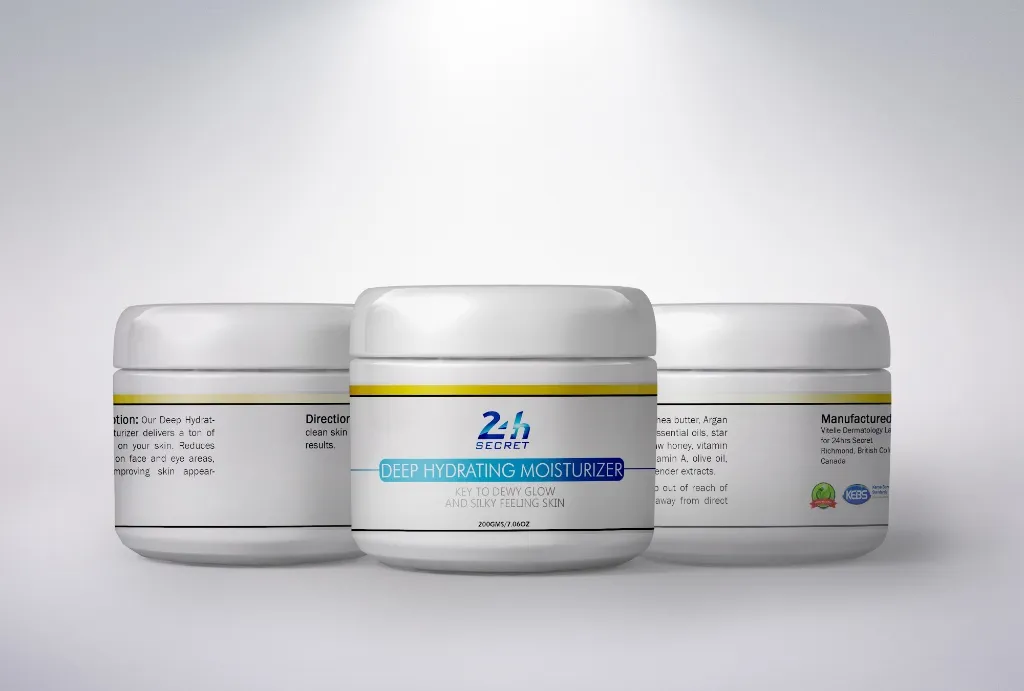
With oil production declining, hydration needs to be actively replaced rather than assumed. A rich, consistent moisturizer becomes a core step rather than an afterthought — this is usually the single biggest relief for the new dryness and tightness.
2. Support collagen actively
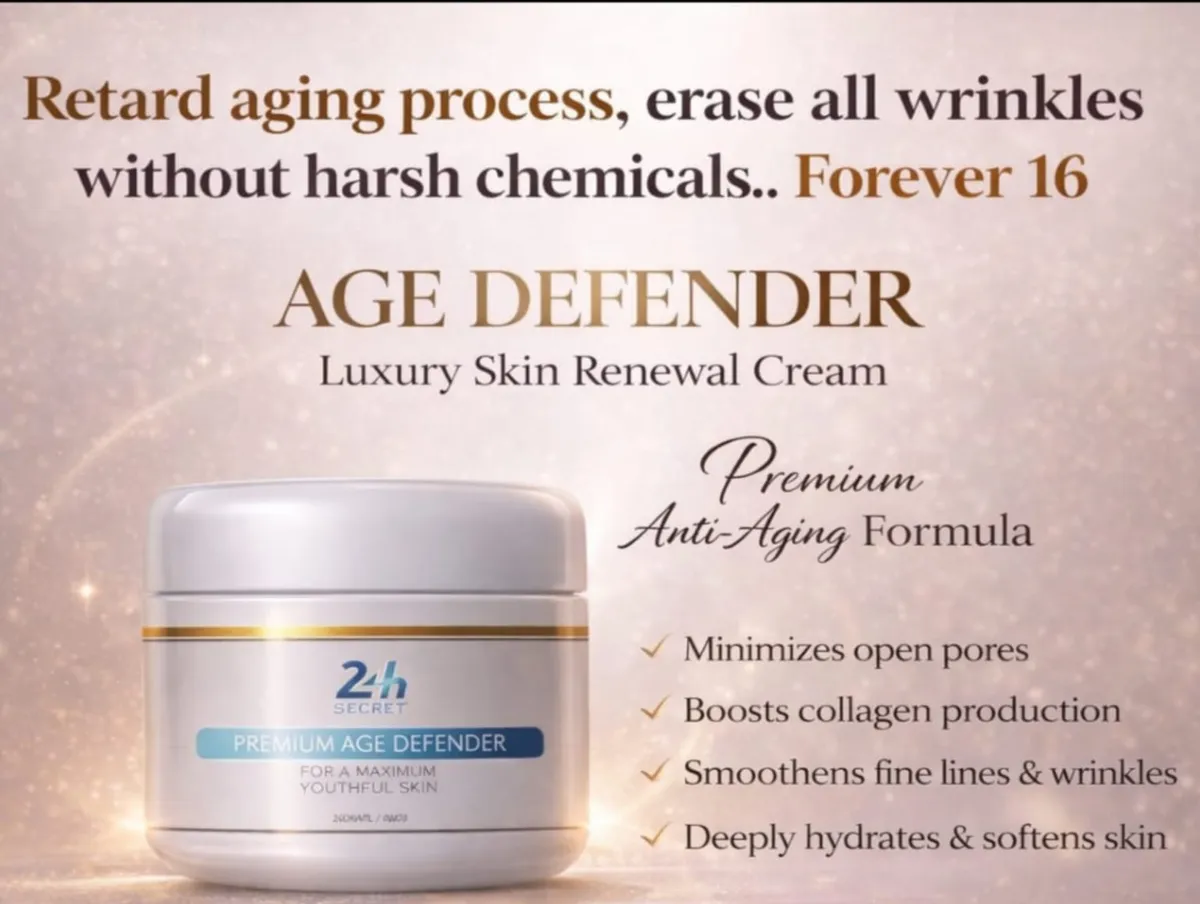
Since natural collagen production drops sharply at this stage, a treatment that actively supports renewal matters more than it did in your 30s — this is compensating for a real physiological shift, not just general prevention.
3. Protect thinner, more vulnerable skin
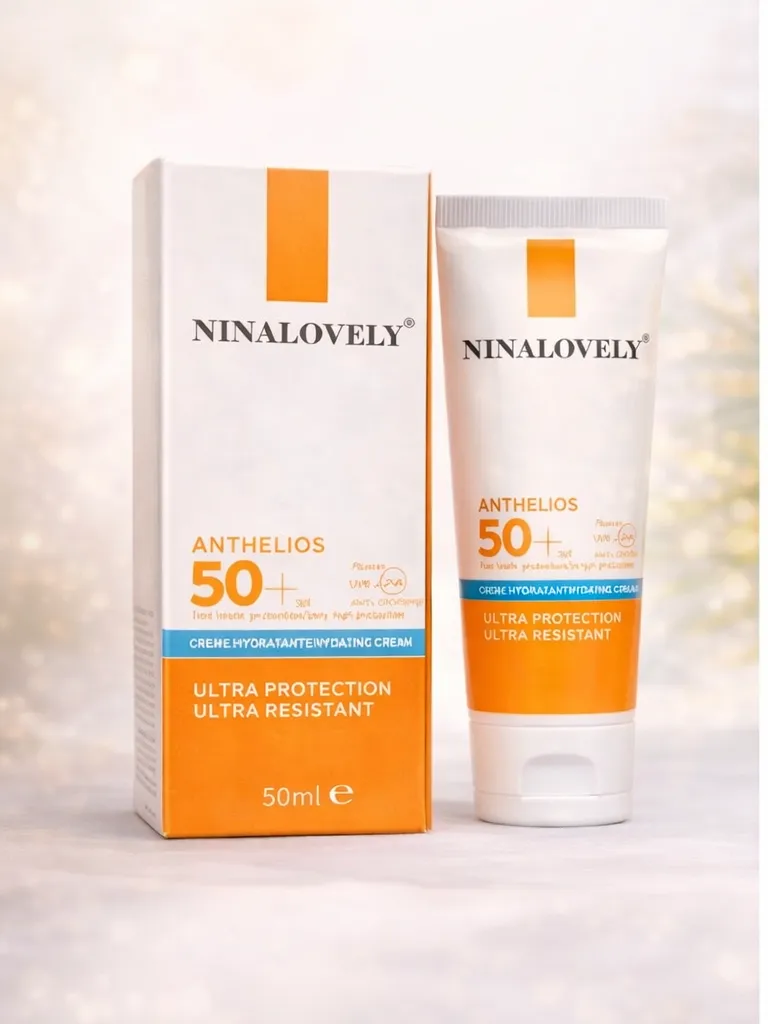
As skin thins and oil-based UV protection declines, sun damage does more visible harm than before. Daily SPF matters more at this stage, not less — it protects both the collagen you have left and skin that now heals more slowly.
4. If acne returns, treat it gently
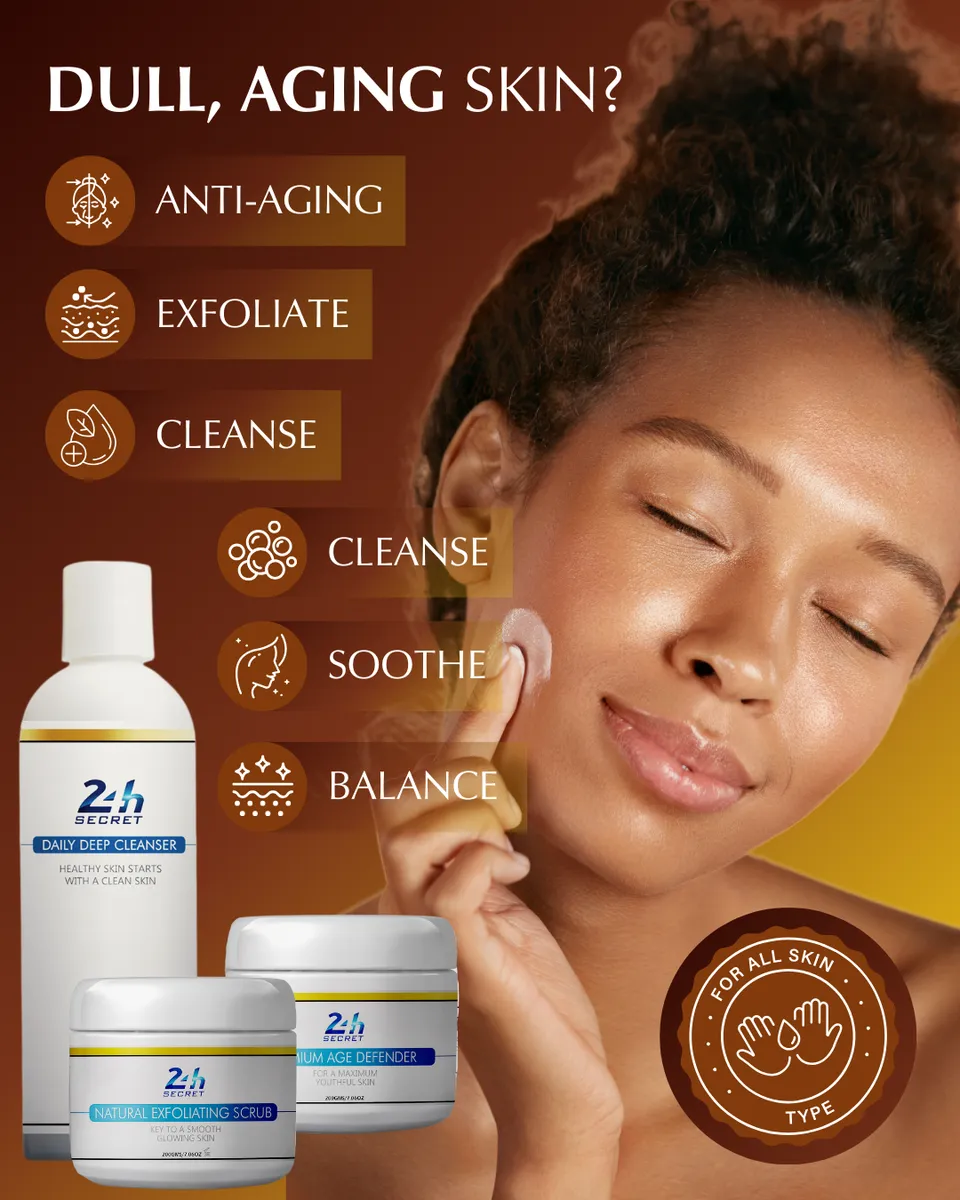
Perimenopausal acne responds to the same core approach as any hormonal acne — but because the surrounding skin is now drier and more barrier-sensitive, a gentle, complete treatment matters even more than it would for oilier, younger skin.
How long until you notice a difference?
Hydration relief is often felt within days to a couple of weeks. Improvements in firmness and texture from consistent collagen support build over 8–10 weeks, in line with anti-aging skincare generally — the difference is that at this life stage, the routine is compensating for an active hormonal shift rather than just slowing gradual aging, so staying consistent matters even more.
Give yourself permission to change your routine
A routine that worked well for 15 years can genuinely stop fitting your skin during menopause — that isn't a sign you're doing something wrong, it's a normal hormonal shift. Adjusting toward more hydration, more barrier support and more collagen support is the appropriate response, not an overreaction.