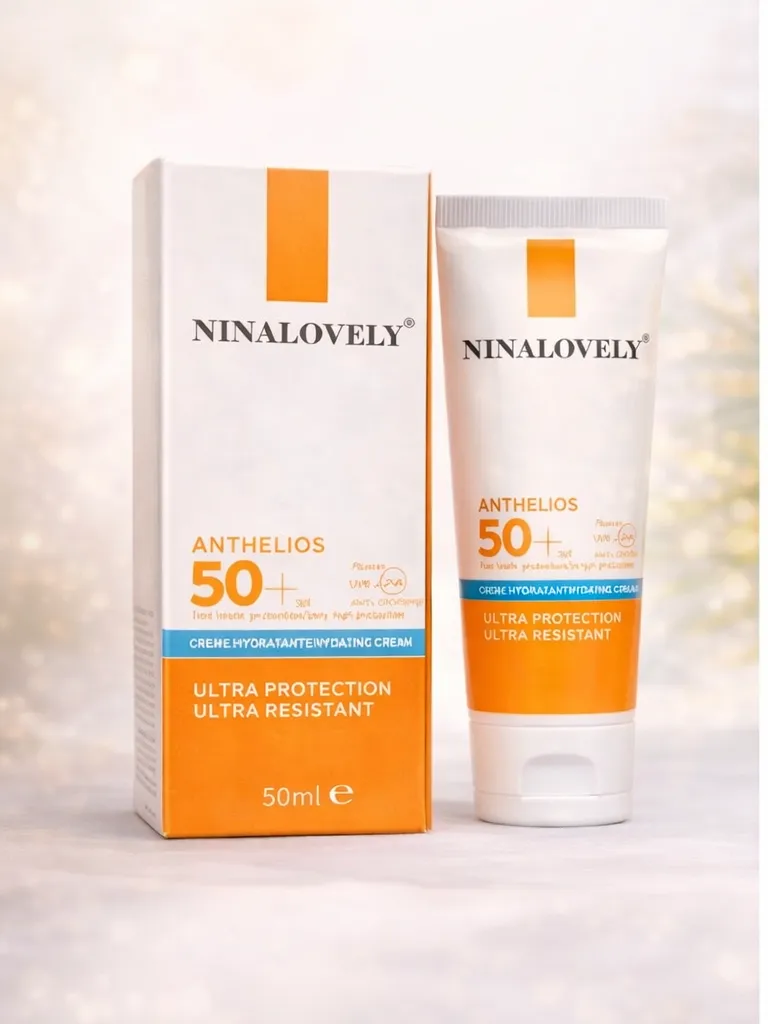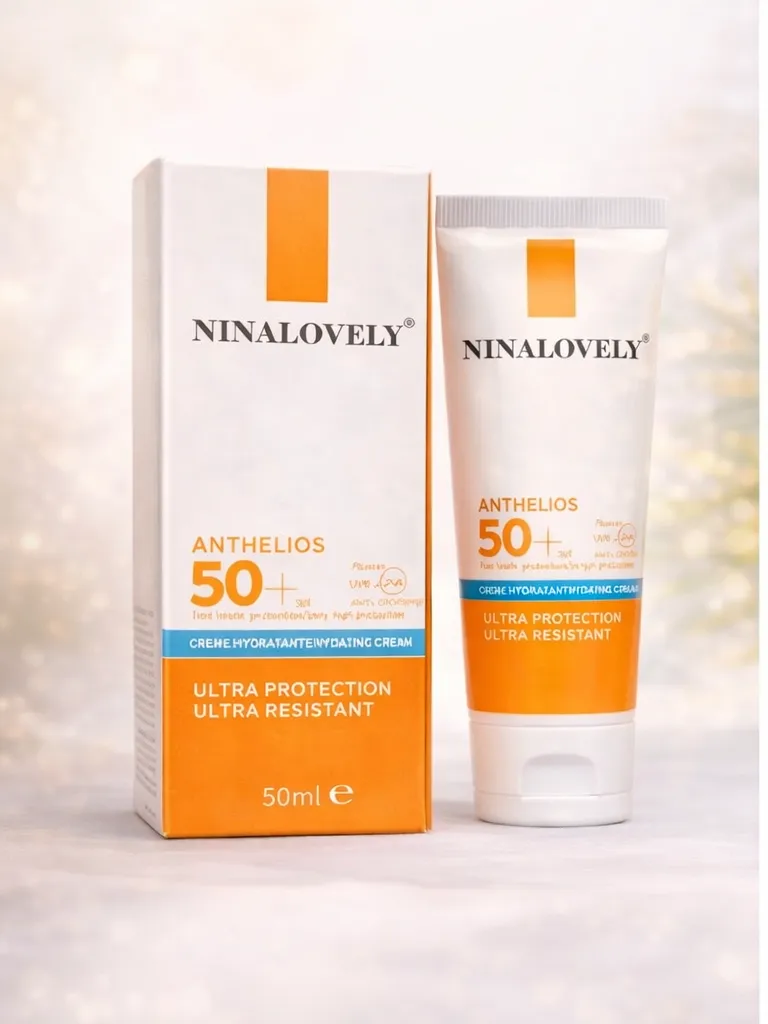
Here's an uncomfortable fact: the SPF 50 printed on your sunscreen bottle was tested using a specific, generous amount of product — about 2mg per square centimeter of skin. Almost nobody applies that much. Most people use a quarter to half of that amount, which means the real-world protection they're getting is nowhere near SPF 50, no matter what the label says.
The two-finger rule
The simplest way to get the amount right: squeeze sunscreen along the length of your index and middle finger, covering both fingers fully from base to tip. That's roughly the amount needed for your entire face and neck. It looks like a lot the first time you measure it — most people have been applying a fraction of this for years.
Why "less but more often" doesn't work
SPF protection isn't linear with quantity — using half the recommended amount doesn't give you half the SPF. Research shows under-application can cut effective protection by 50% or more, even though the layer still looks like "enough" on the skin. Reapplying a thin layer often is not a substitute for applying enough the first time.
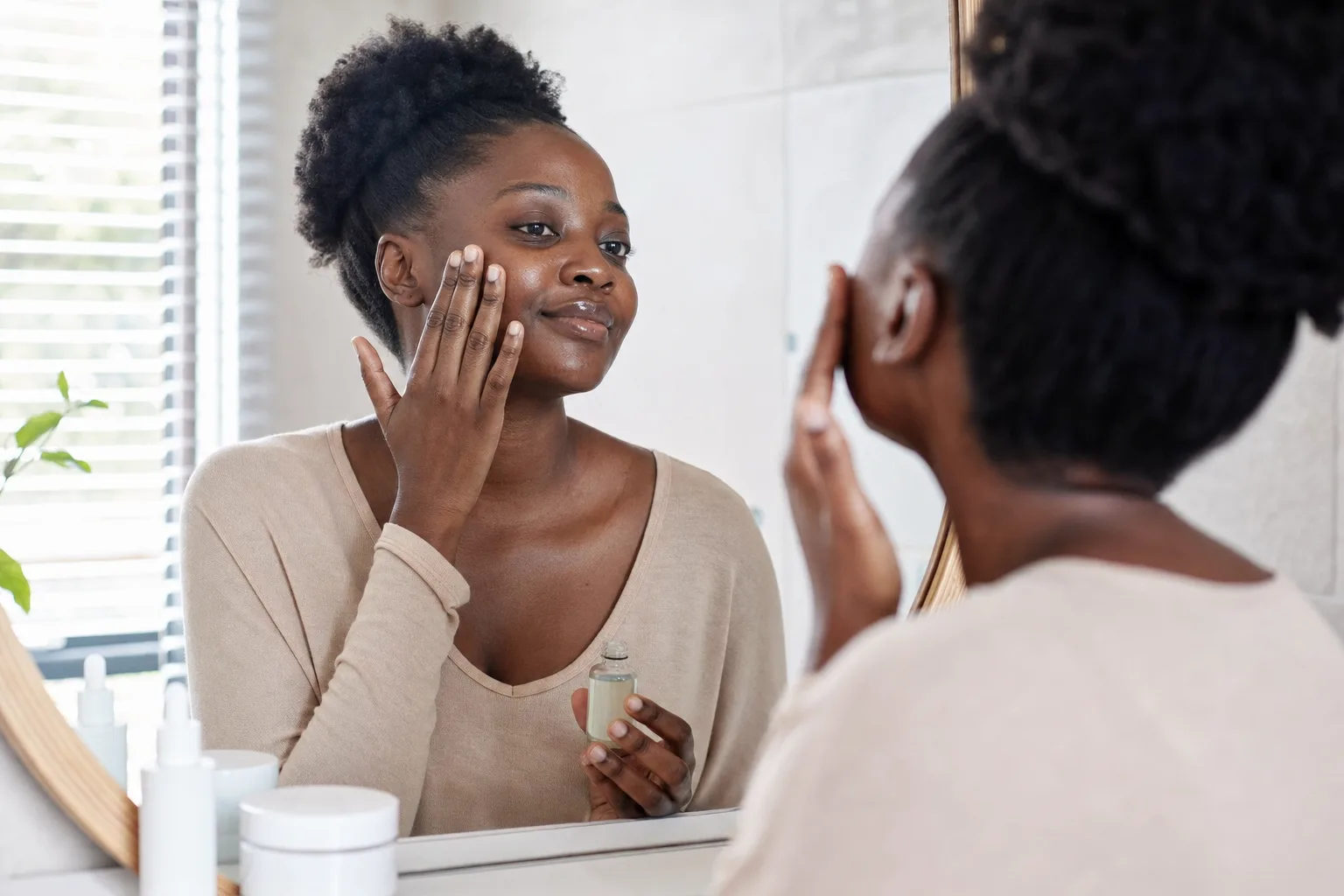
Where sunscreen goes in your routine
- 1Cleanse — remove overnight buildup and prep skin.
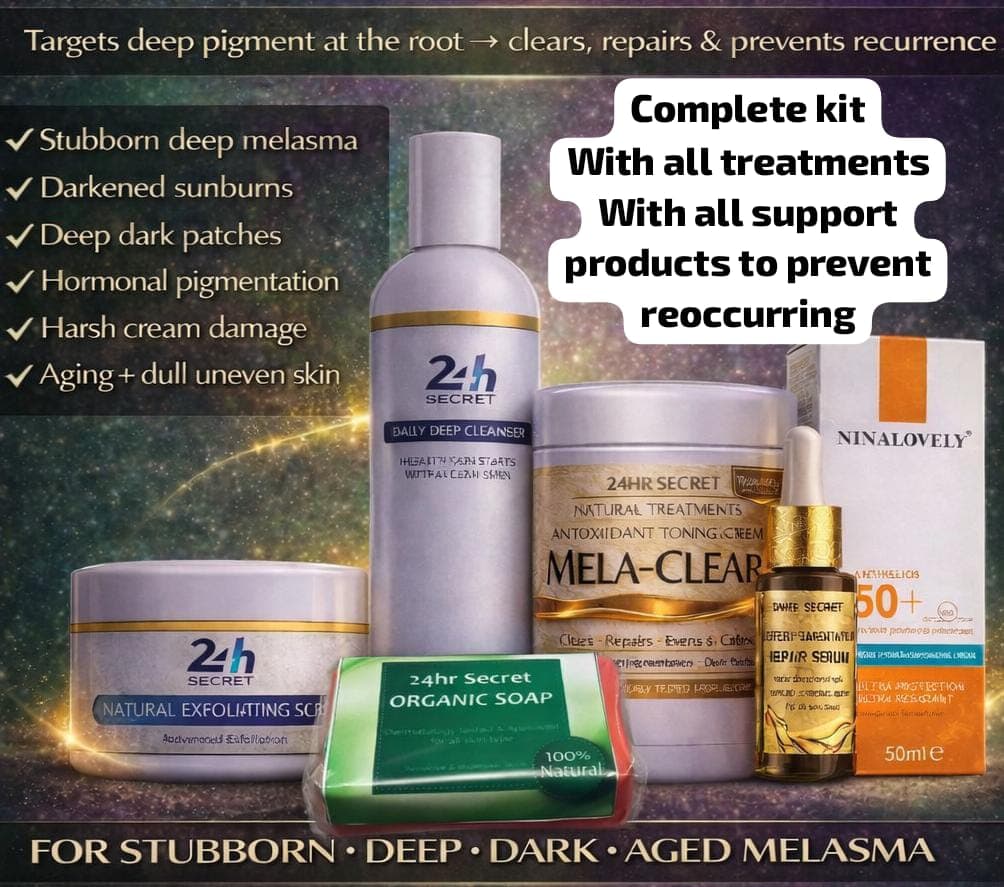
- 2Treatment serum (like MelaClear or Repair Serum Oil) — active ingredients absorb into clean skin.
- 3Moisturizer, if your routine includes one — locks in hydration.
- 4Sunscreen — always last. It needs to sit on top to form a protective film; layering something over it can dilute or disrupt that film.
When to apply — and reapply
- Every morning, as the final step — rain, shine, or cloud cover.
- About 15 minutes before sun exposure if using a chemical formula, so it has time to activate.
- Reapply every 2-3 hours if you're outdoors for extended periods, especially in Nairobi's strong midday sun.
- Reapply after sweating or wiping your face — a single morning application doesn't survive a sweaty commute or workout.
Places people consistently miss
- Hairline and ears — easy to skip, easy to sunburn and pigment.
- Neck — often left out entirely, yet just as exposed as the face.
- Around the eyes — a common site for dark circles worsened by unprotected sun exposure.
- Backs of hands — visible, frequently exposed, and rarely protected.
If you're actively treating melasma or hyperpigmentation, under-applying sunscreen is one of the quietest ways progress stalls — the treatment fades pigment while inadequate sun protection keeps re-triggering it, so it looks like "nothing is working" when really, not enough sunscreen was reaching the skin in the first place.