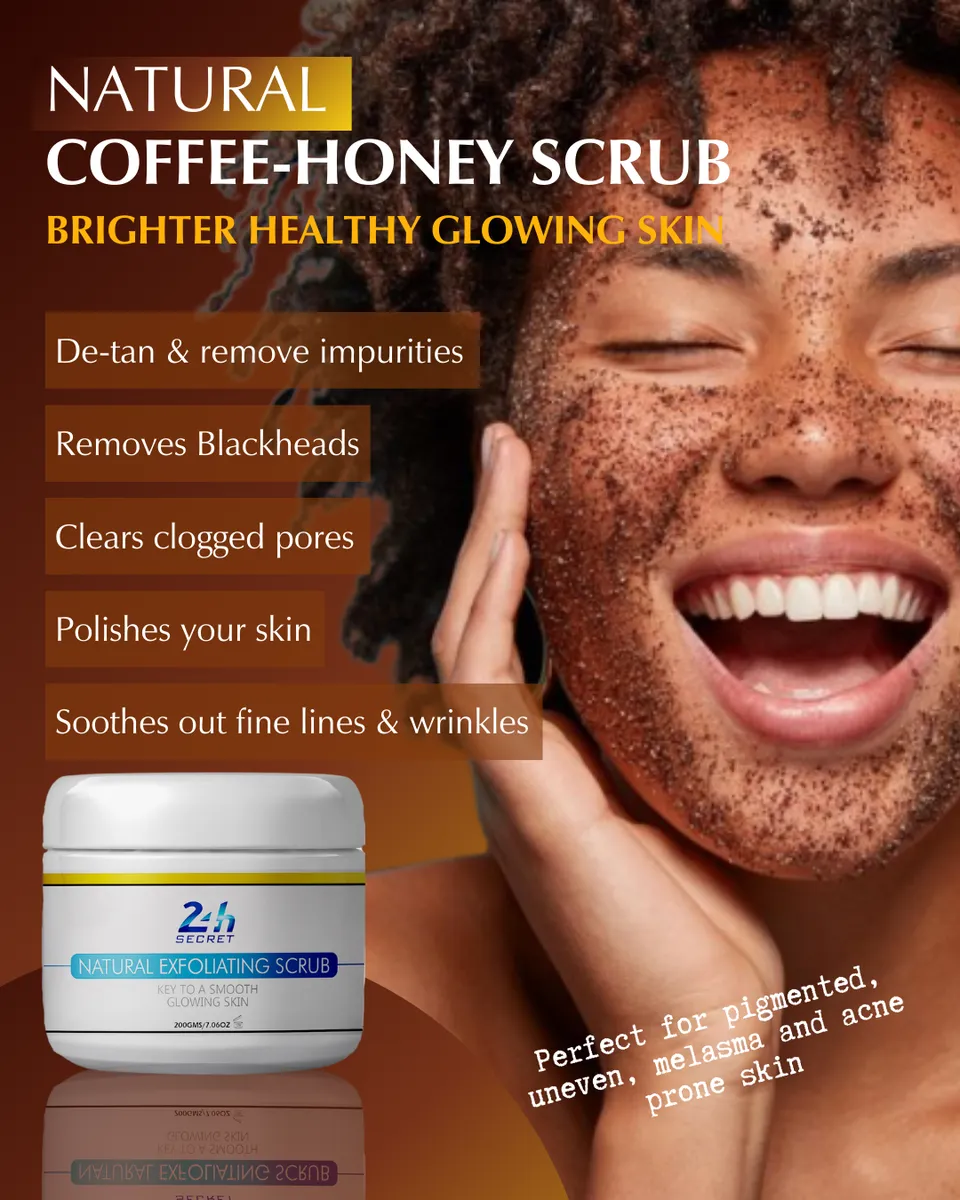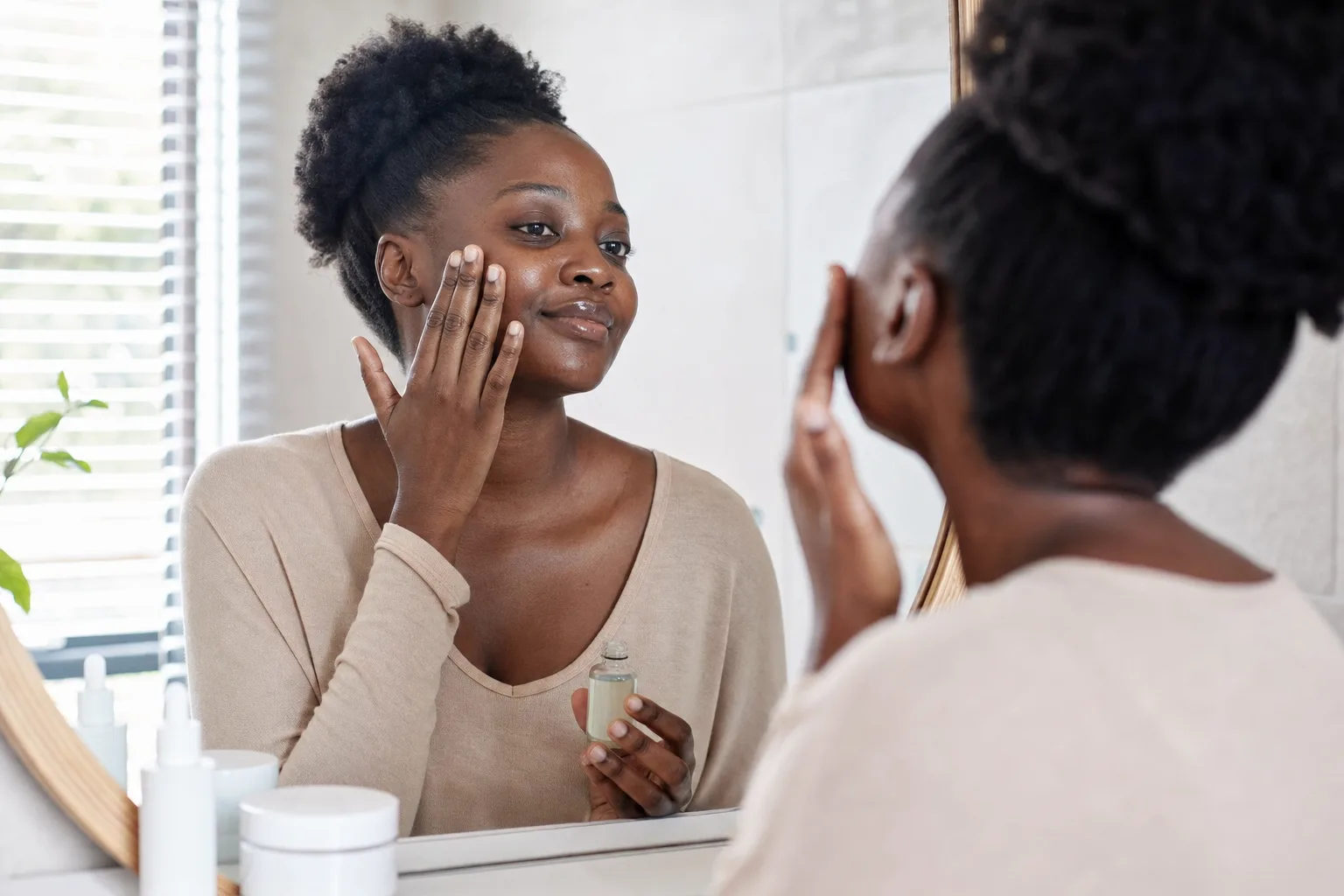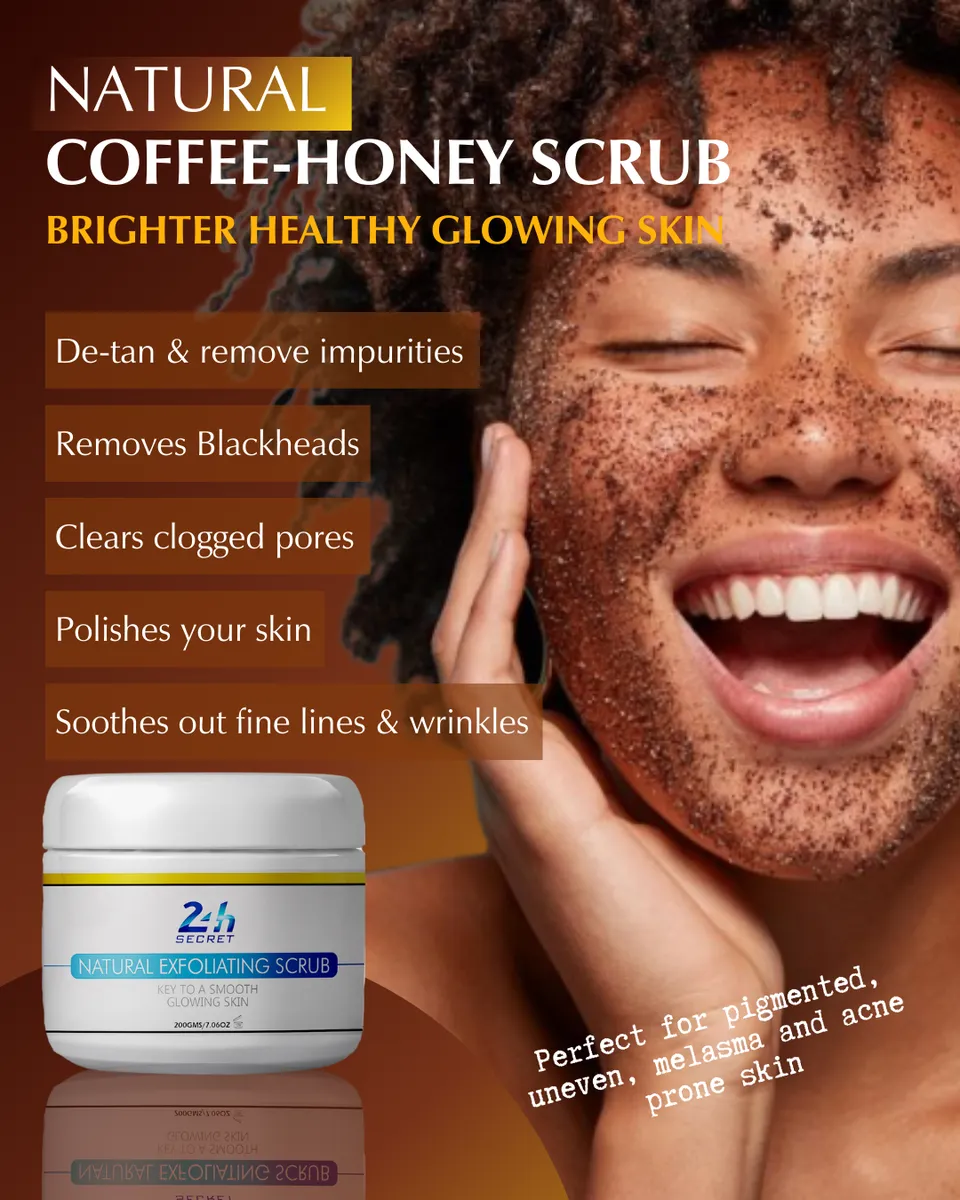
Exfoliation is one of the most valuable steps in any skincare routine — and one of the most commonly overdone. Too little, and dead skin buildup dulls your complexion and blocks other products from working. Too much, and you damage the very barrier that keeps your skin healthy. Here's how to get it right.
What exfoliation actually does
Skin naturally sheds dead cells, but this process can slow down or leave buildup that dulls texture, clogs pores and blocks treatment products from penetrating properly. Exfoliation speeds up this natural renewal — lifting away what's ready to go, revealing smoother, more even-toned skin underneath.
The over-exfoliation trap
More is not better. Exfoliating too often strips away the skin's protective barrier along with the dead cells, leading to increased sensitivity, redness, and — because a damaged barrier reacts more strongly to every trigger — often more breakouts and pigmentation, not less.
Signs you're overdoing it
- Skin feels tight or looks visibly red after cleansing
- Products that never irritated you before suddenly sting or burn
- Increased breakouts despite exfoliating more, not less
- Skin looks shiny or 'raw' rather than smooth and healthy
How often is actually enough
For most skin types, 2-3 times a week is the sweet spot — enough to keep dead skin from building up, without stripping the barrier faster than it can repair itself. Sensitive or already-irritated skin may need even less, sometimes just once a week, until it recovers.
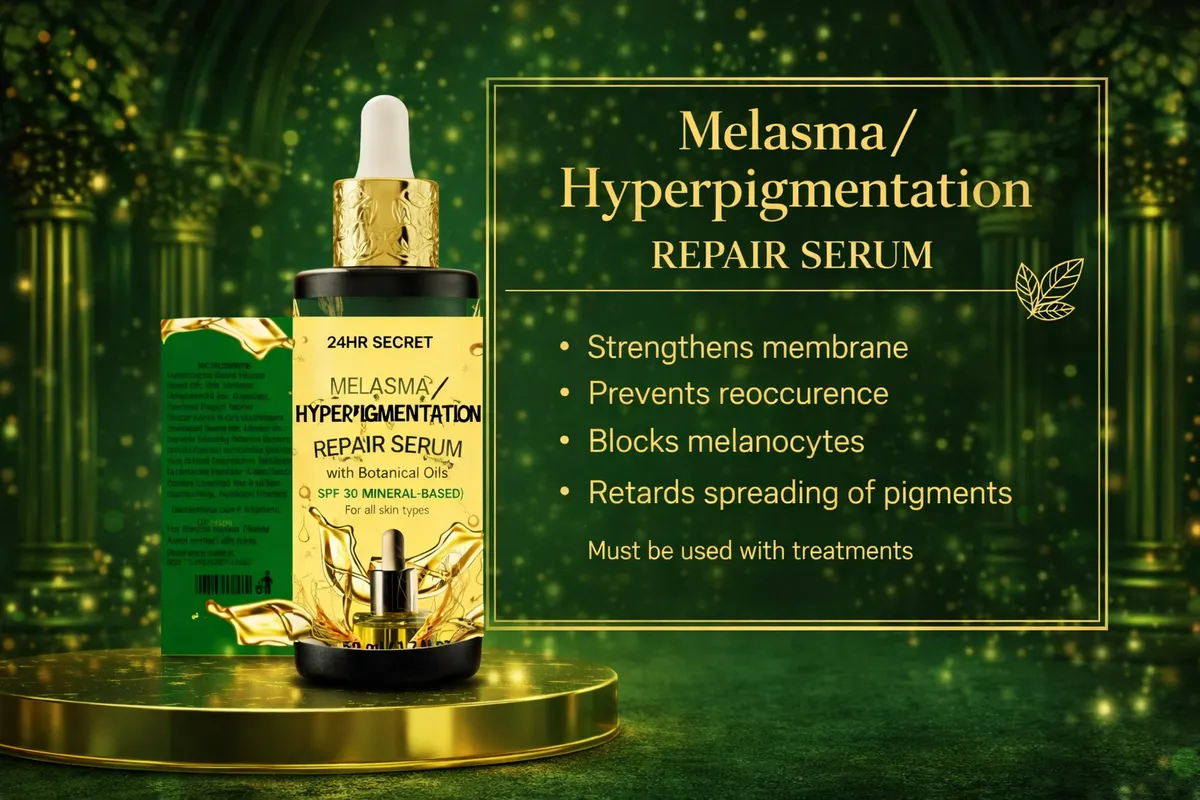
This is specifically designed as a support step within a full routine — used alongside barrier-repairing products like the Hyperpigmentation Repair Serum Oil, rather than as an aggressive standalone treatment.