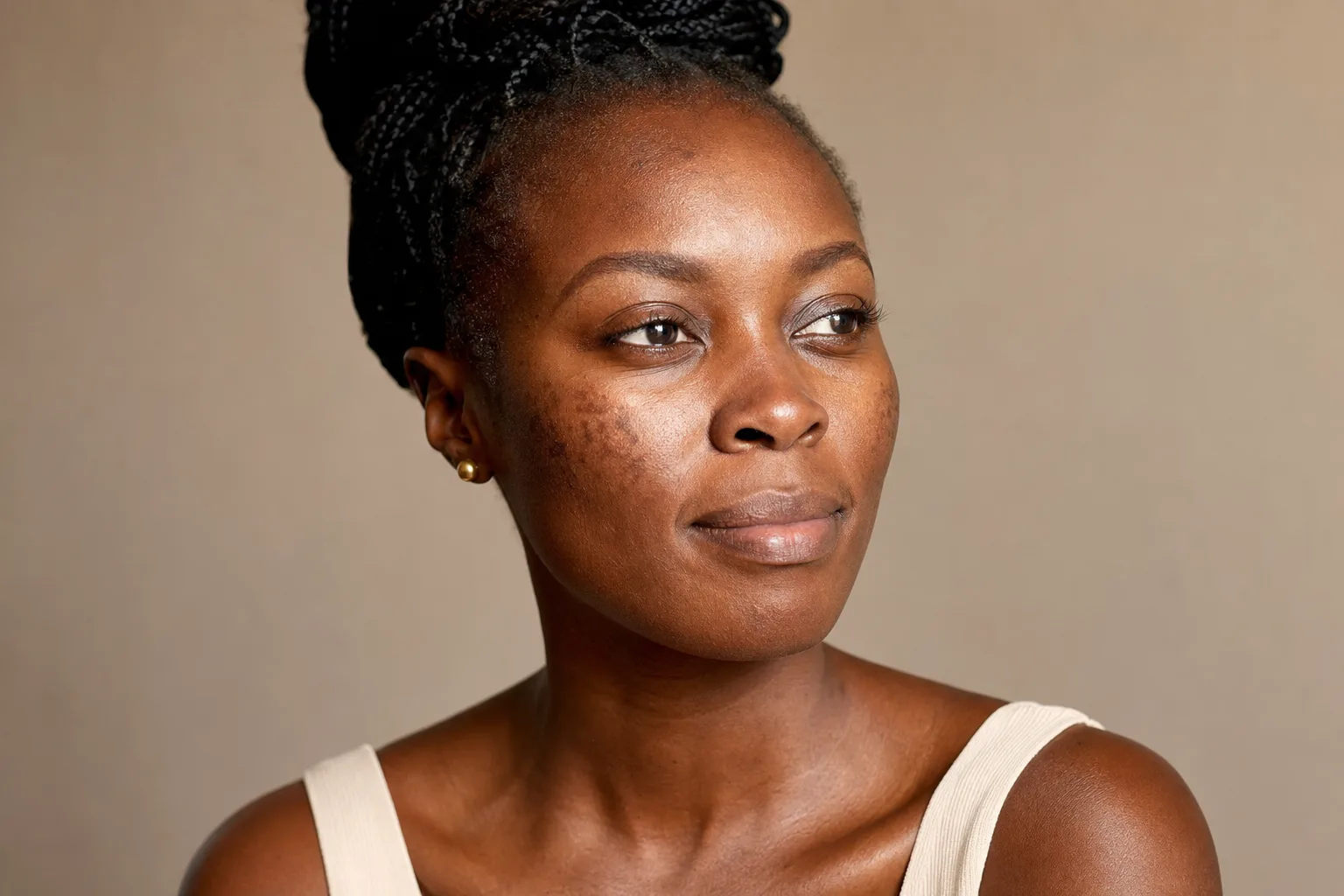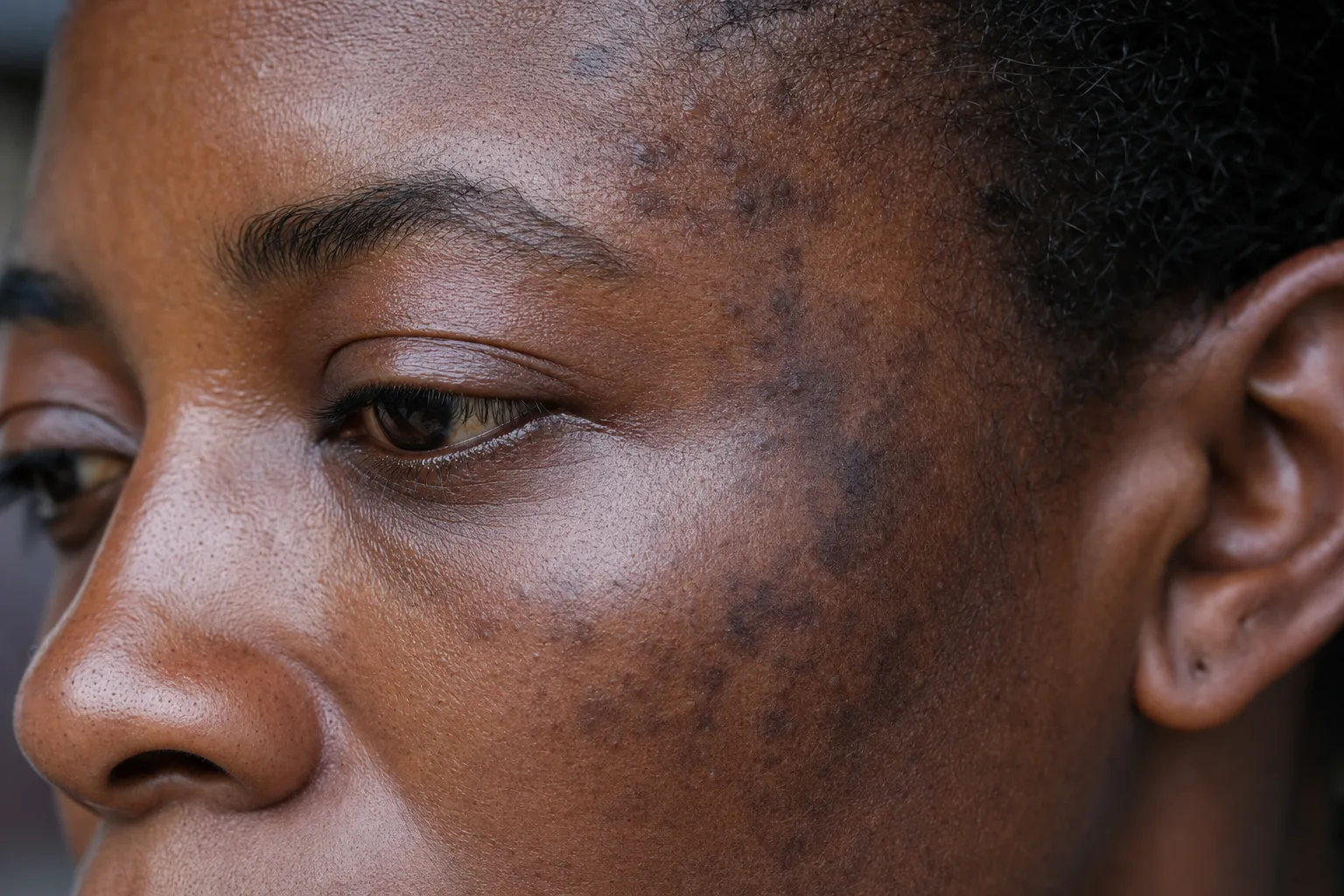
You treat a pimple, it heals — and then it leaves a dark brown mark that stays for months. Or an ingrown hair, a bite, or a patch of irritation fades but the colour stays behind. If this sounds familiar, you are dealing with dark spots, and on rich African skin they are especially common and especially stubborn. This guide explains why they happen and gives you a clear, safe routine to remove dark spots on your face without bleaching.
What actually causes dark spots on the face?
Nearly all facial dark spots are a type of hyperpigmentation — extra melanin deposited in one area. The most common kinds on dark skin are:
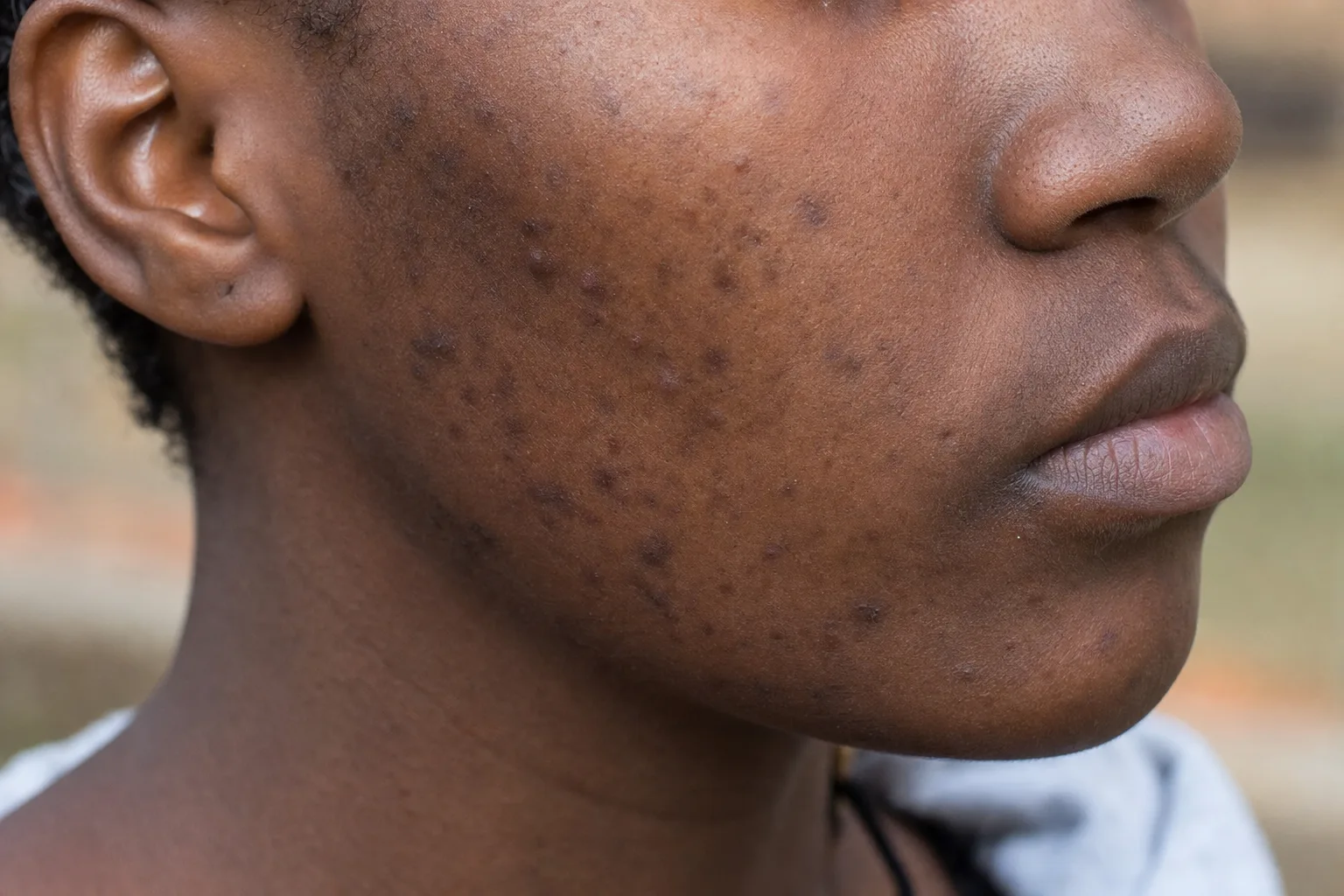
- Post-inflammatory hyperpigmentation (PIH) — the brown marks left after acne, pimples, bites, ingrown hairs, eczema or any irritation. This is by far the most common cause.
- Sun spots — flat brown spots from years of unprotected sun exposure, usually on the cheeks, forehead and nose.
- Melasma — larger, symmetrical patches driven by hormones, sun and heat (covered in our melasma treatment guide).
- Acne dark spots — a specific, very common form of PIH left after breakouts clear.
Why deeper skin tones mark more easily
Melanin is your skin's natural protection. When melanin-rich skin is injured or inflamed, melanocytes respond by producing extra pigment at the site — which is protective, but leaves a visible mark that can take months to fade on its own. This is normal skin behaviour, not damage. It just means the skin needs a smarter, gentler approach.
The mistakes that make dark spots worse
Before the fixes, stop the things that deepen and prolong spots. Most people unknowingly do at least one of these:
- Picking and squeezing spots and pimples — this drives inflammation deeper and almost guarantees a long-lasting mark.
- Harsh scrubbing with rough exfoliators or sponges, which inflames the skin and triggers more pigment.
- Skipping sunscreen — the sun darkens existing spots faster than any cream can fade them.
- Bleaching creams — they irritate the skin and cause rebound darkening, often with a patchy, uneven result.
How to remove dark spots: the routine
Fading dark spots comes down to three jobs done consistently: regulate the pigment, gently encourage skin renewal, and protect the skin so spots don't re-darken. Here is how to do each.
Step 1 — Regulate the pigment
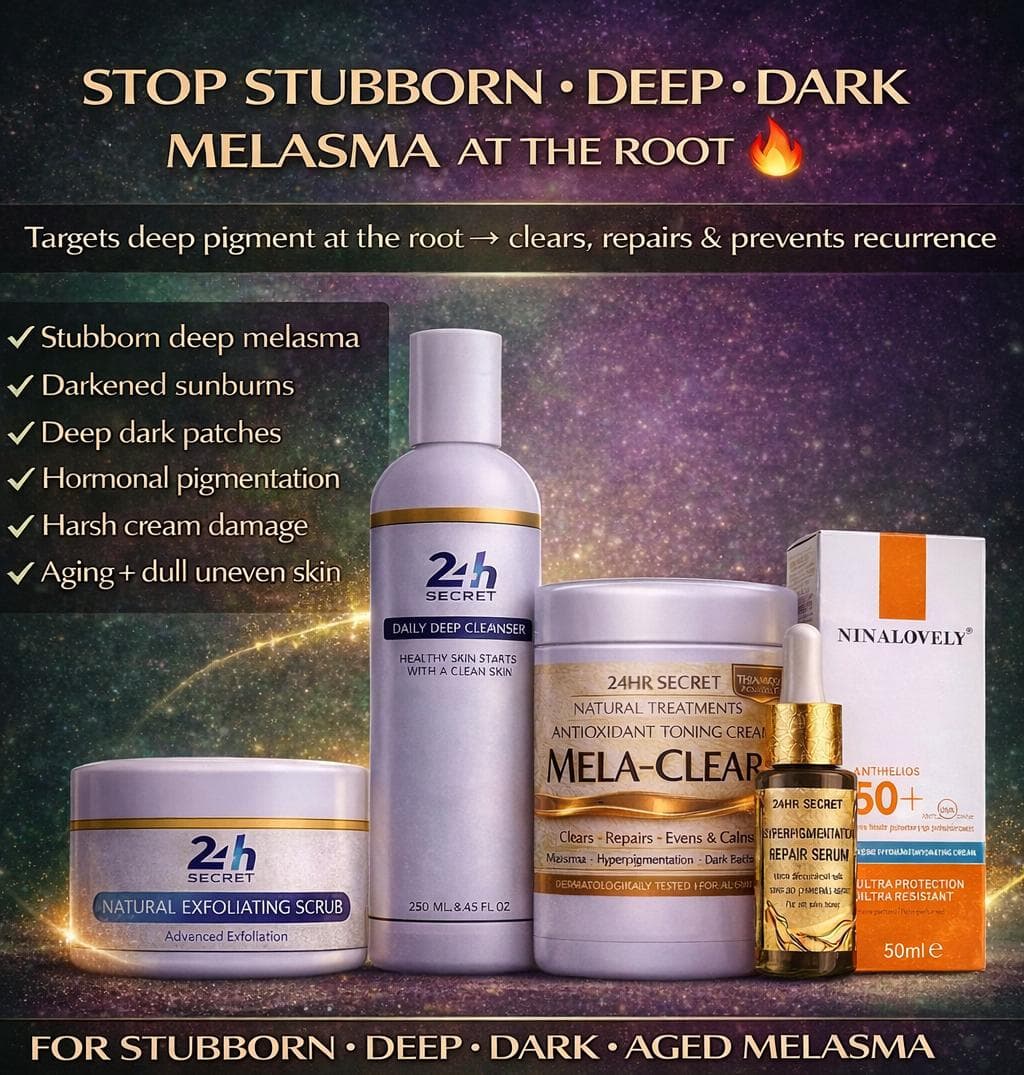
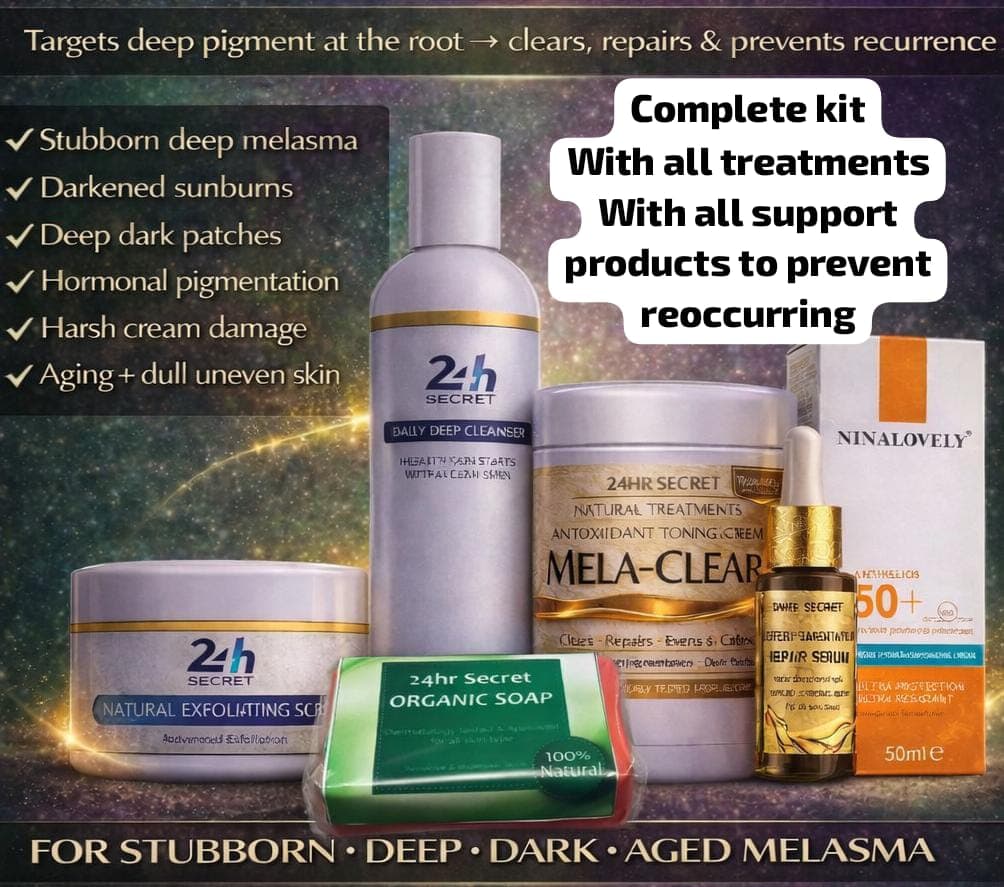
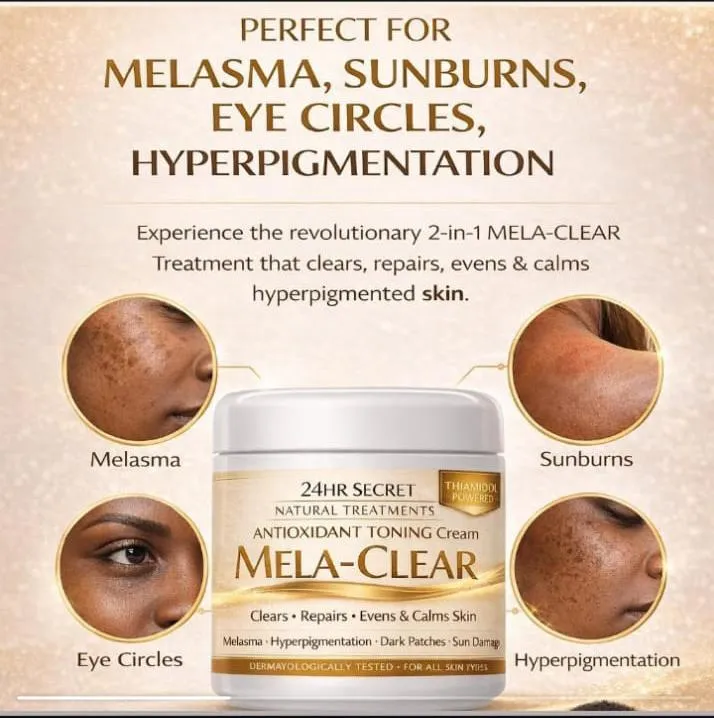
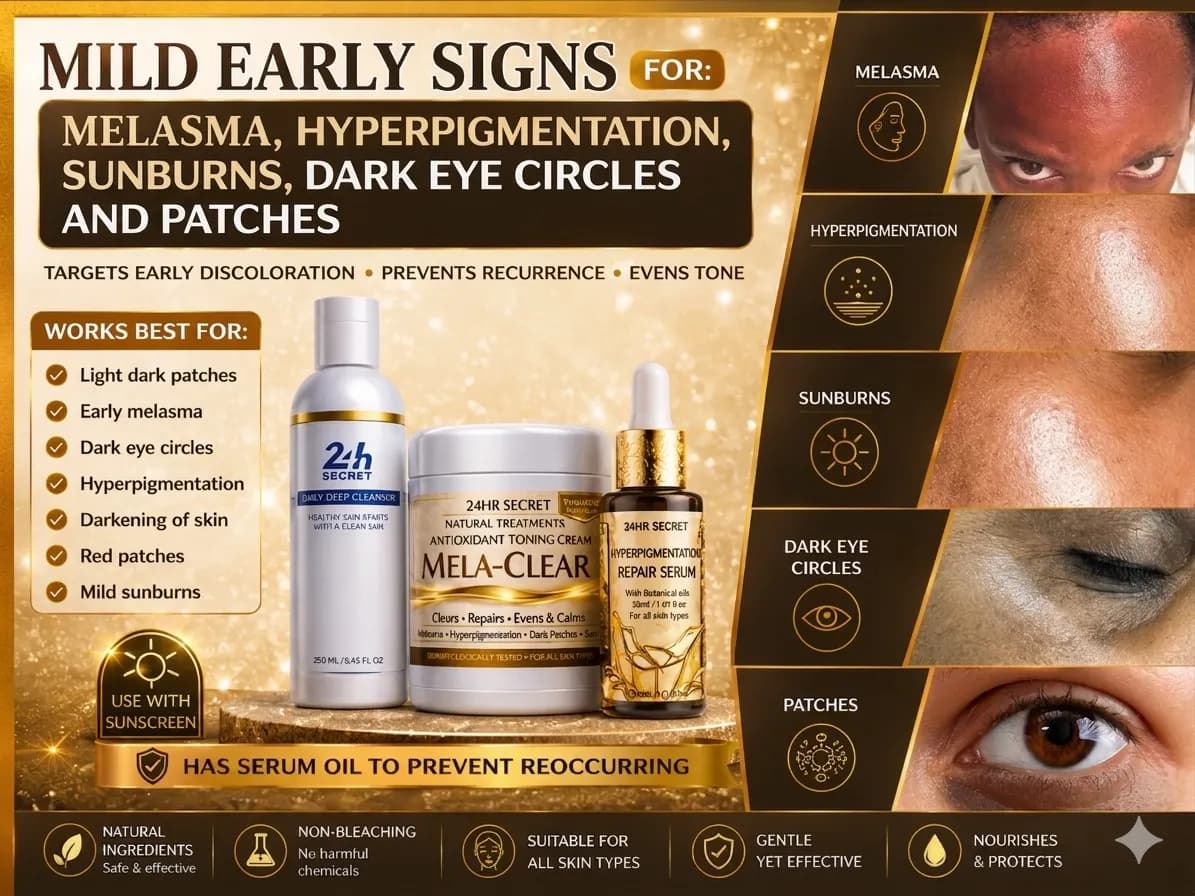
A pigment-regulating treatment calms the melanocytes that are over-producing melanin in the spot. Our Antioxidant MelaClear works inside the pigment cycle with Thiamidol and antioxidants — it fades existing marks while helping prevent new ones from setting in.
Step 2 — Gently lift and renew
Dark spots sit in layers of skin that naturally turn over. Gentle exfoliation 2–3 times a week speeds that renewal so pigmented cells move up and shed, revealing fresher skin underneath. The key word is gentle — our Caffeic Mask Scrub is a coffee-honey scrub that lifts pigment without the micro-tears that aggressive scrubs cause.
Step 3 — Repair the barrier
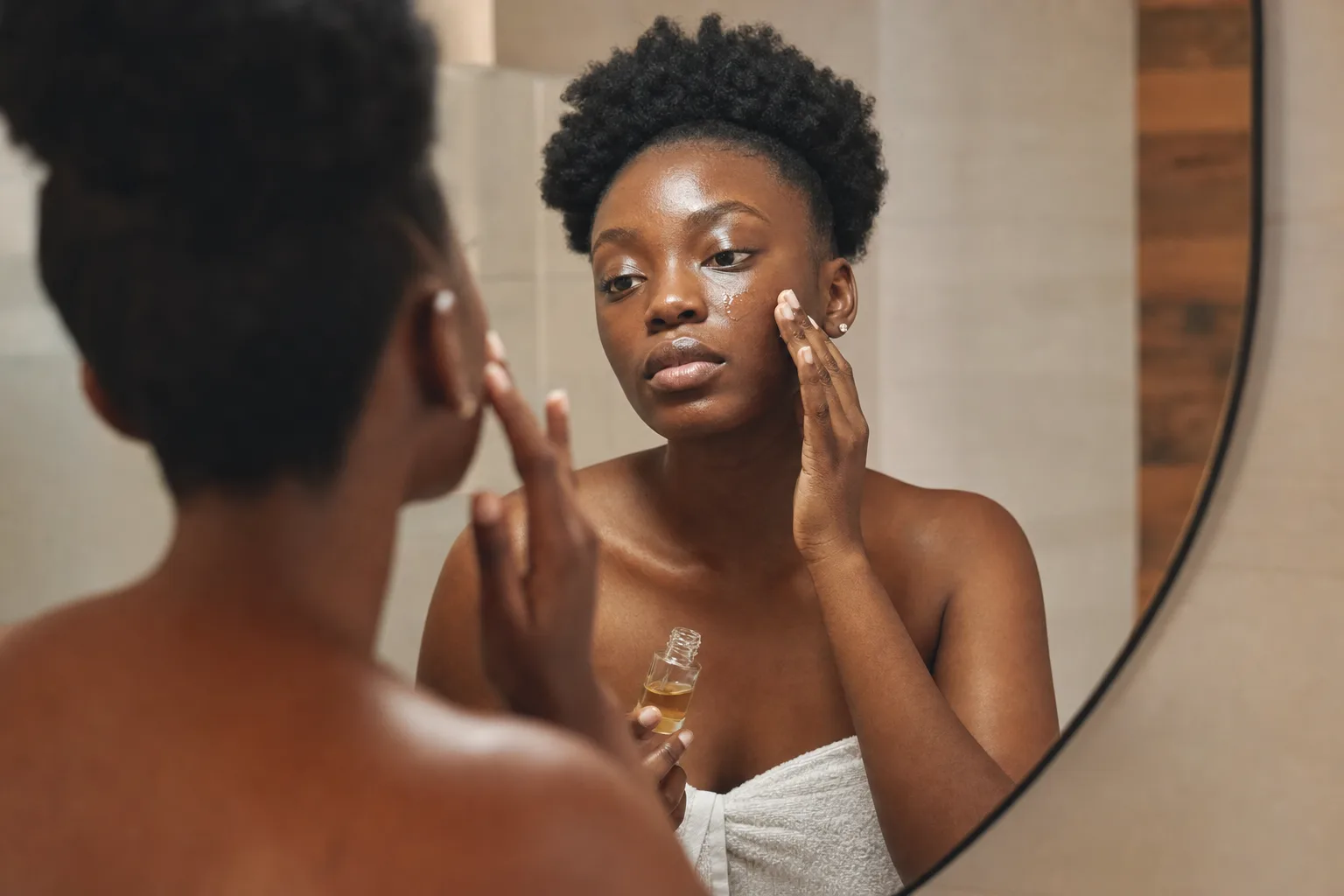
Skin that is constantly irritated keeps making new spots. A barrier-repair serum calms inflammation and strengthens the skin so it stops over-reacting. This is what stops the cycle of 'spot heals, new spot appears'.
Step 4 — Protect with SPF every morning
This step doubles your results. Sunlight darkens existing dark spots and undoes weeks of progress. A daily SPF 50+ keeps every spot you're fading from re-darkening. In Kenya's strong sun, this is the difference between spots that disappear and spots that plateau.
If it's acne leaving the spots…
There is no point fading acne marks while new pimples keep forming more. If you are still breaking out, treat the acne at the same time. Our Basic Acne Clearing Kit clears active breakouts and the Advanced Stubborn Acne Repair Kit adds renewal to lift the marks they leave behind. See our full guide on how to get rid of pimples fast.
How long do dark spots take to fade?
Surface-level (epidermal) spots often fade noticeably in 6–8 weeks. Deeper or older spots can take 3–6 months. The single biggest factor in your timeline is sun protection — people who wear SPF daily fade their spots dramatically faster than those who don't. Resist the urge to switch products every two weeks; consistency is what works.
Spots vs patches: which do you have?
Small, discrete brown marks where you had a pimple or bite are usually dark spots (PIH). Larger, blotchy, symmetrical patches across both cheeks or the forehead are more likely melasma — read our melasma treatment guide for that specific approach.