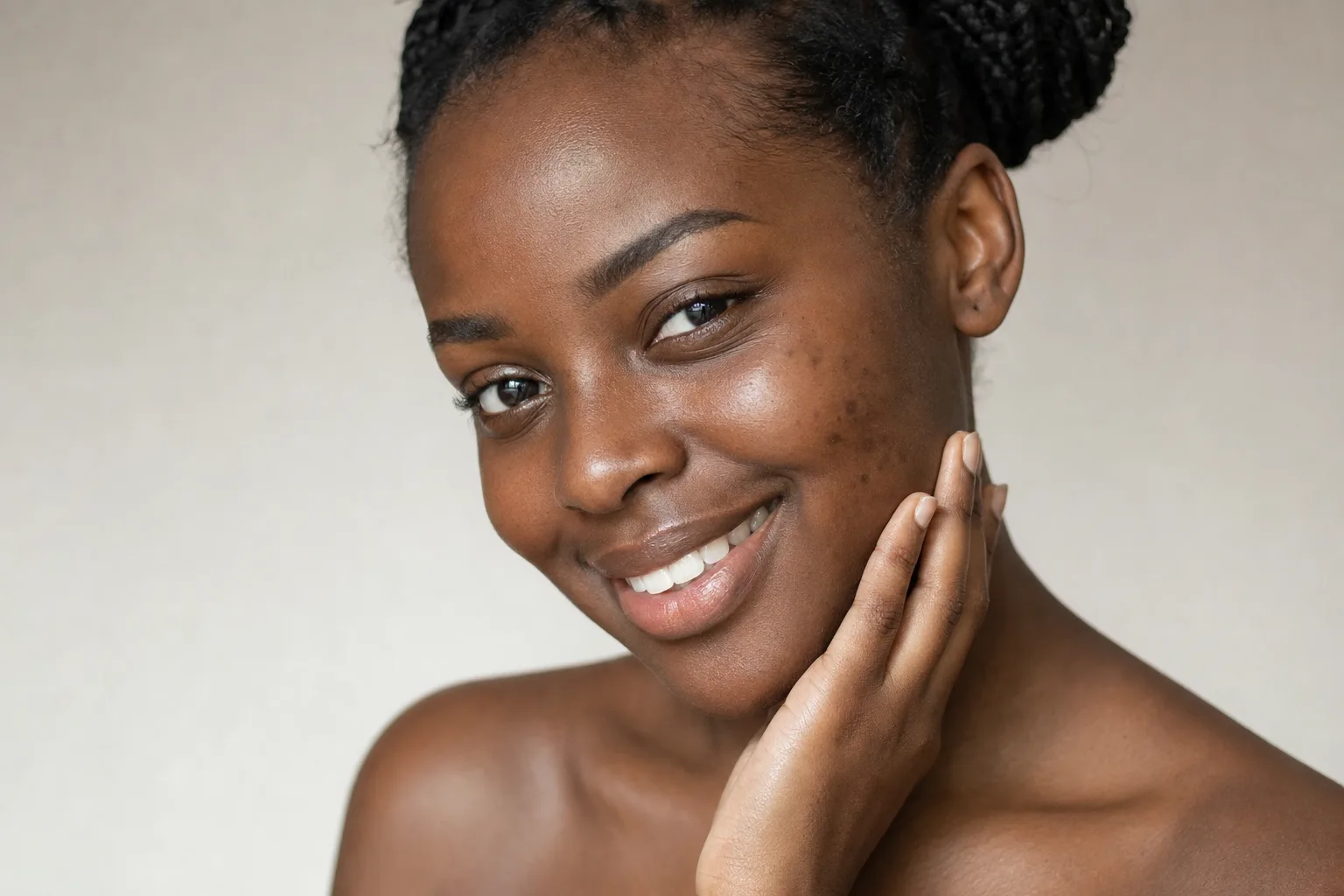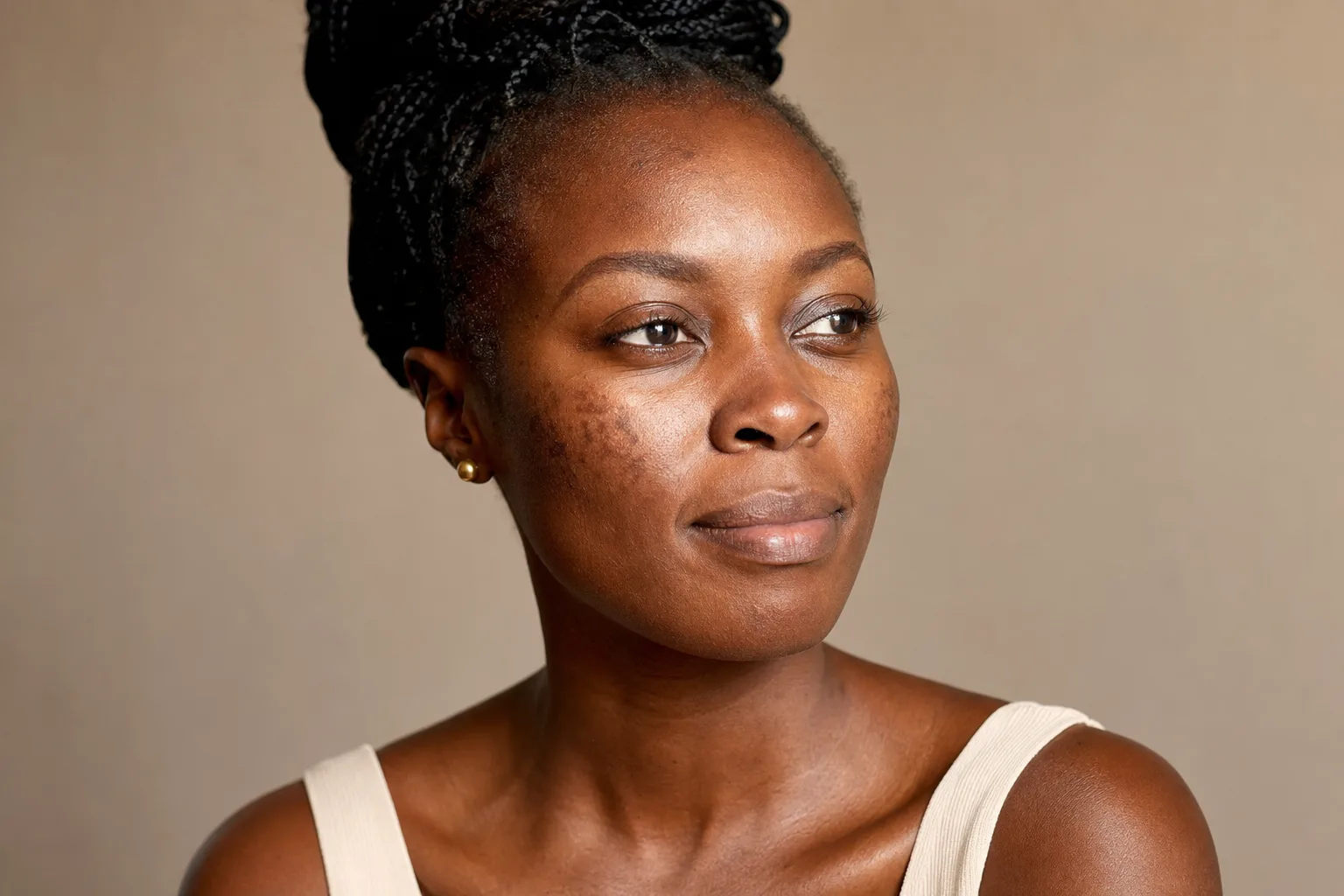
If you have noticed symmetrical brown or greyish patches creeping across your cheeks, forehead, nose or upper lip, you are most likely dealing with melasma — one of the most common and most frustrating pigmentation problems for people with rich, melanin-dense African skin. The good news: melasma responds very well to the right routine. The hard truth: it punishes shortcuts, and bleaching creams make it worse. This guide explains what is actually happening in your skin and the exact steps that fade melasma in Kenya's climate — safely, and for the long term.
What is melasma, exactly?
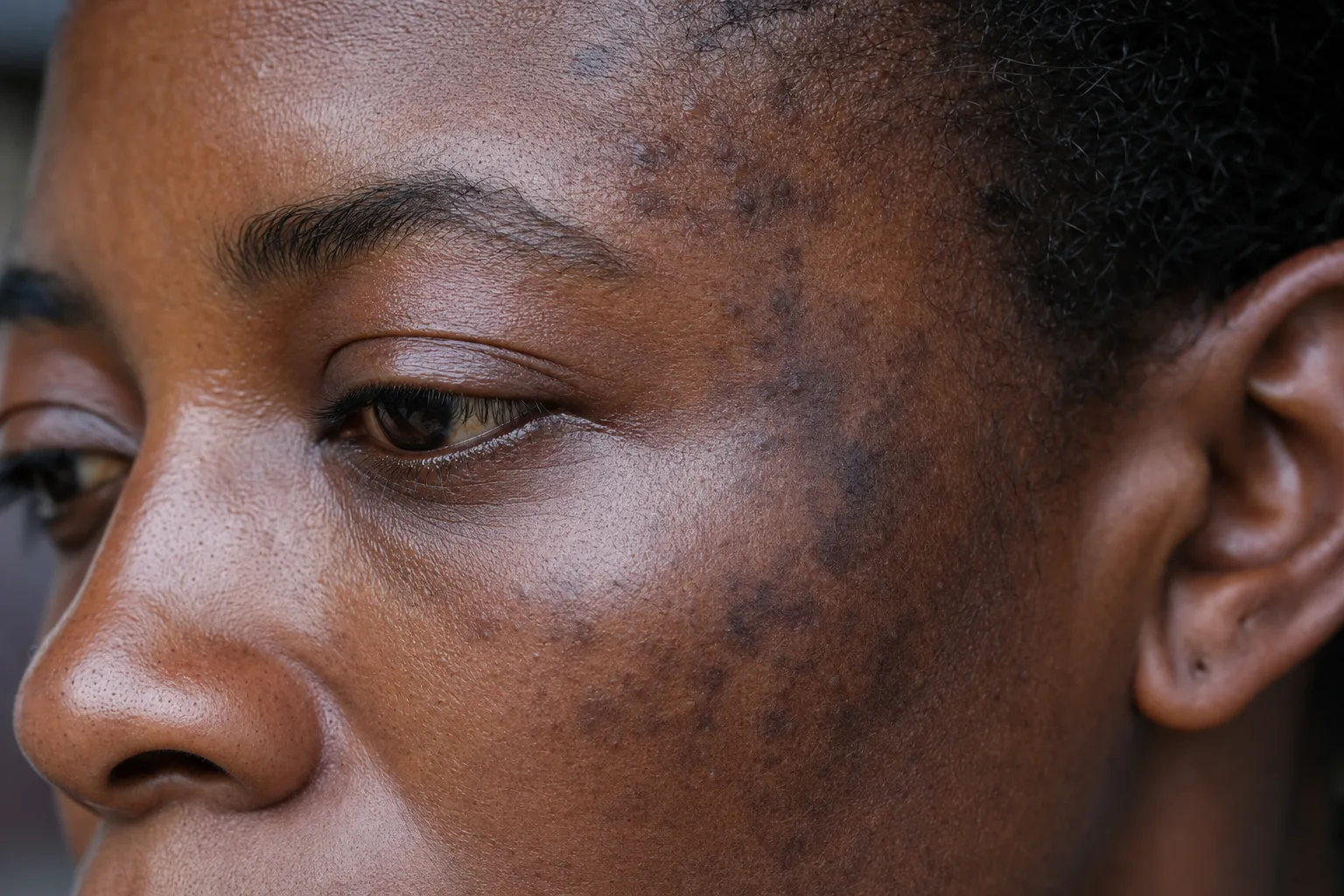
Melasma is a form of hyperpigmentation where melanocytes — the cells that produce your skin's pigment, melanin — become overactive and deposit excess pigment in patches. Unlike a single dark spot left by a pimple, melasma usually appears as larger, blotchy, often symmetrical areas on both sides of the face. It is harmless to your health, but because it sits on the most visible part of your body, it affects confidence deeply.
On deeper skin tones the pigment can sit both in the upper layer (epidermal) and deeper down (dermal), which is why melasma on African skin can look stubborn and take longer to fade than it does on lighter skin. This is normal — it is not a sign that your skin is 'broken' or that treatment is failing.
What causes melasma?
Melasma is almost always driven by a combination of triggers rather than a single cause. Understanding yours is the first step to treating it:
- Sun exposure (UV light). This is the number one trigger. UV rays switch your melanocytes into overdrive. In Kenya's strong equatorial sun, unprotected skin re-darkens fast.
- Heat. Less talked about, but real — high heat alone (cooking over open fire, hot climates) can stimulate pigment, which is why melasma can flare even with sunscreen.
- Hormones. Pregnancy, contraceptive pills and hormonal injections are major triggers. Melasma during pregnancy is so common it is nicknamed the 'mask of pregnancy'.
- Visible light from screens and phones. Blue/visible light can aggravate melasma on dark skin — a newer but well-documented trigger.
- Harsh products and bleaching. Strong bleaching agents irritate the skin and rebound into darker, more stubborn pigmentation.
Why bleaching is the wrong answer
Bleaching creams (especially those with mercury or high-dose hydroquinone misused over months) thin and inflame the skin. Inflammation is itself a pigment trigger — so the patches come back darker, with a tell-tale grey halo. Real correction regulates melanin production instead of forcing the skin lighter.
Can melasma be cured?
Be wary of anyone promising a permanent 'cure'. Melasma is a chronic, manageable condition: the right treatment fades it dramatically and keeps it away, but because your triggers (sun, heat, hormones) never fully disappear, maintenance matters. Think of it like fitness — you reach your goal and then you maintain it. With a consistent routine and daily sun protection, most people see their patches fade by 50–80% over a treatment cycle and stay clear as long as they keep protecting their skin.
The 4 pillars of effective melasma treatment
Every melasma routine that actually works rests on four jobs. Skip one and progress stalls. This is the framework behind every 24HR SECRET pigmentation kit.
1. Regulate pigment production
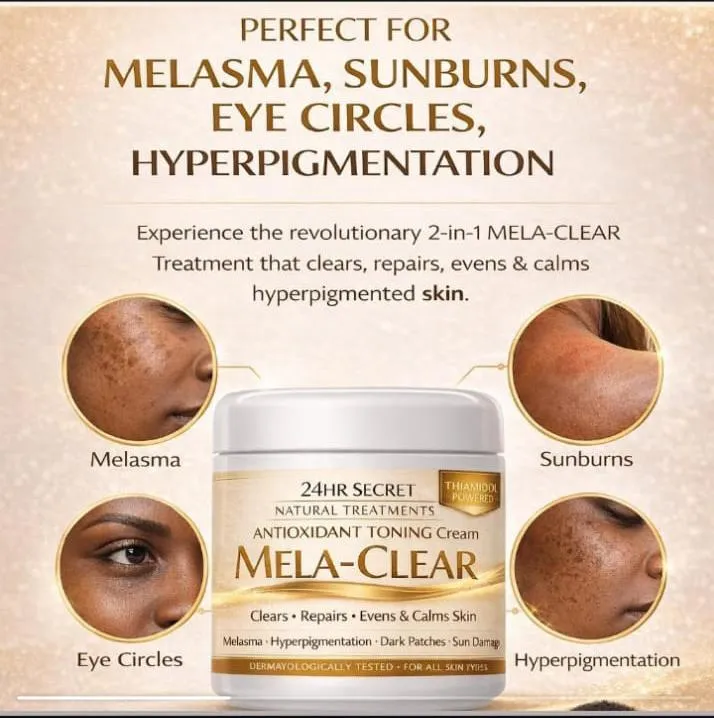
You cannot fade what you keep producing. The core treatment step calms overactive melanocytes so they stop pumping out excess melanin. Our Antioxidant MelaClear is built around Thiamidol and antioxidants to work inside the pigment cycle rather than just lightening the surface.
2. Lift the pigment that is already there
Pigment builds up in layers over time. Gentle, consistent exfoliation lifts that accumulated pigment and speeds your skin's natural renewal so treated cells move up and out. This is the job of a gentle exfoliating scrub used 2–3 times a week — not daily, and never aggressively.
3. Repair the skin barrier
Here is what most people miss: melasma keeps coming back when the skin barrier is weak. A damaged barrier inflames easily, and inflammation re-triggers pigment. Strengthening the barrier — with calming, replenishing serum oils — is what turns temporary fading into lasting correction.
4. Protect from UV — every single day
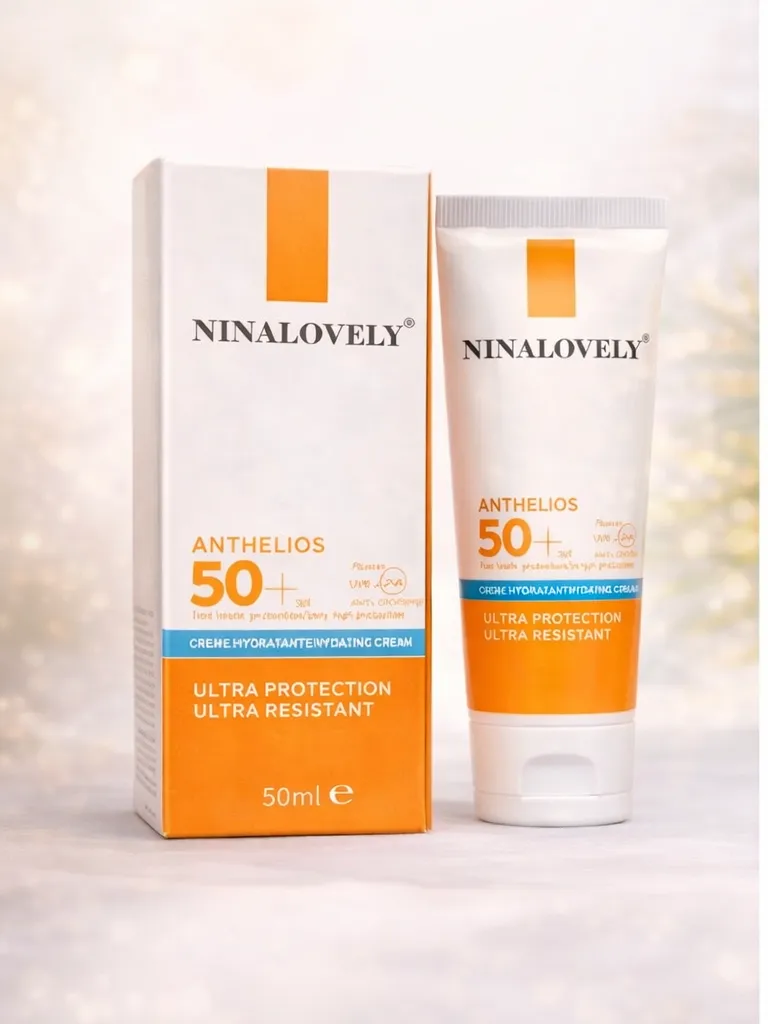
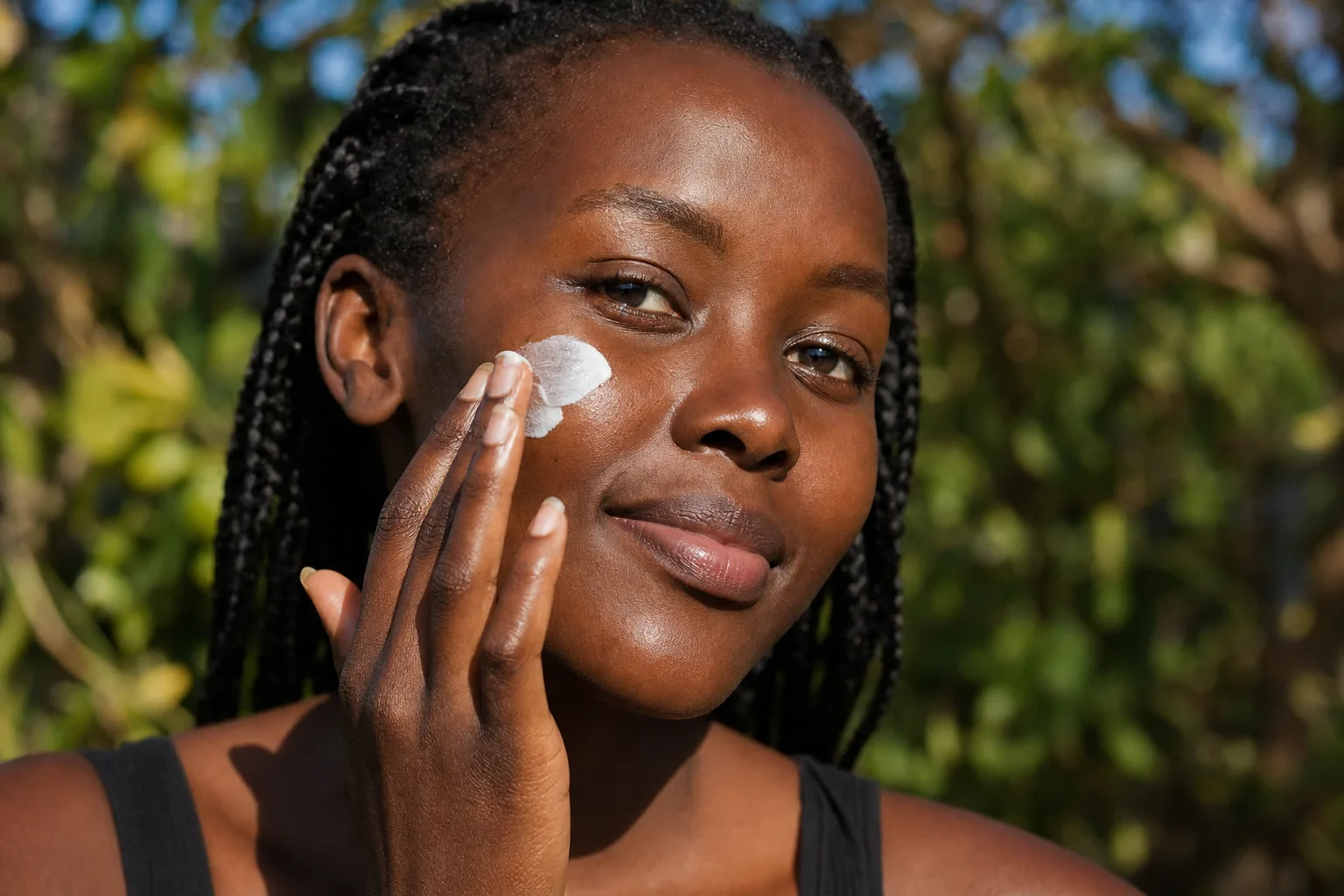
This is the pillar people treat as optional, and it is the reason most melasma treatment fails. Treating melasma without daily sunscreen is like bailing water out of a boat with a hole in it. A broad-spectrum SPF 50+ worn every morning — rain or shine, indoors near windows too — protects your progress and prevents re-darkening.
A simple melasma routine that works
Here is how the four pillars fit into a real morning and evening routine. Consistency beats intensity — doing this gently every day matters more than any single 'strong' product.
| Step | Morning | Evening |
|---|---|---|
| Cleanse | Daily Deep Cleanser | Daily Deep Cleanser |
| Treat (regulate) | Antioxidant MelaClear | Antioxidant MelaClear |
| Exfoliate (lift) | — | Caffeic Mask Scrub (2–3× / week) |
| Repair barrier | — | Hyperpigmentation Repair Serum Oil |
| Protect | SPF 50+ Sunscreen | — |
If building this from scratch feels overwhelming, that is exactly why we package the steps as graded kits — from a gentle starter to a full correction protocol — so you are never guessing what to layer or in what order.
Which melasma kit is right for me?
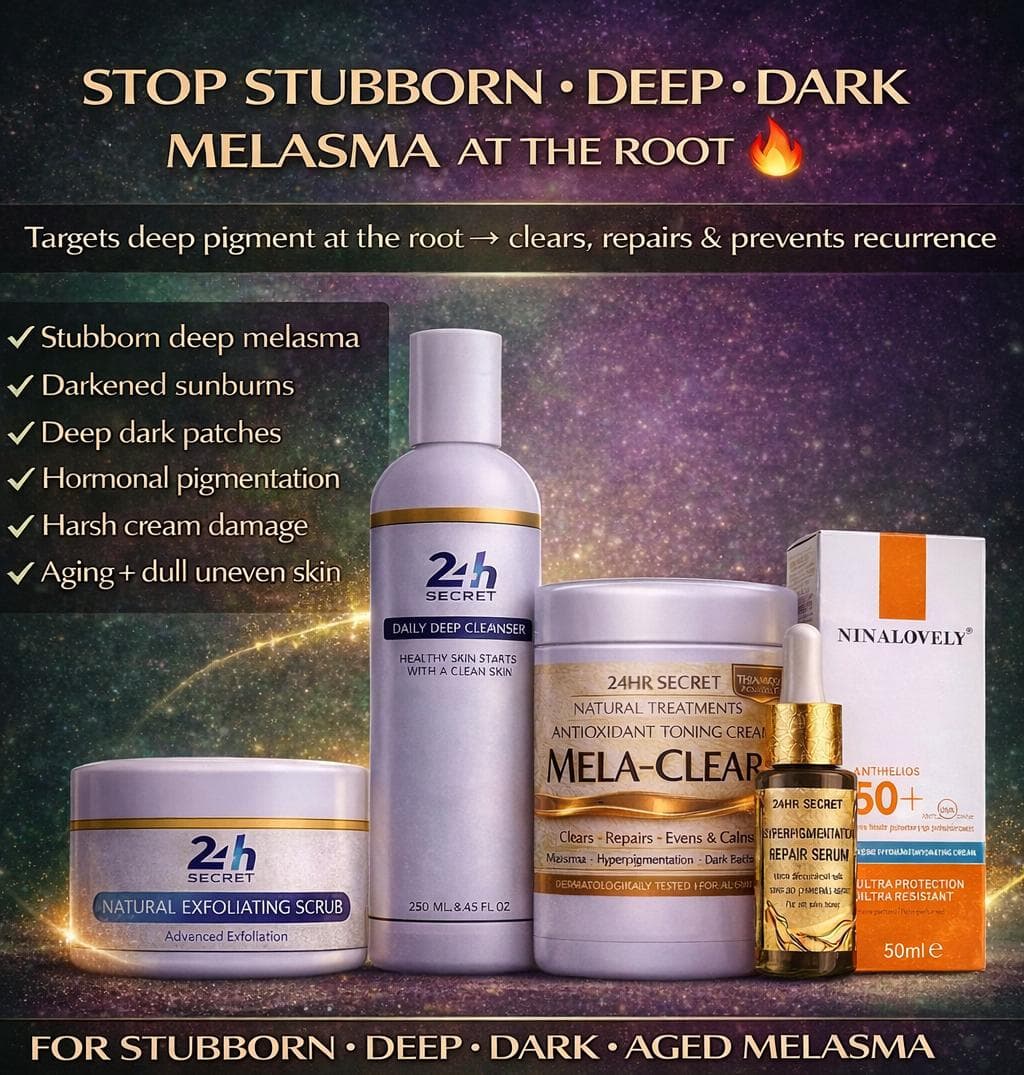
- Early / light patches: start with the Mild / Early Stage Melasma Kit — regulate pigment and repair the barrier before it spreads.
- Deep, stubborn or recurring patches: the Deep / Stubborn Melasma Kit targets the full pigment cycle including exfoliation and barrier repair.
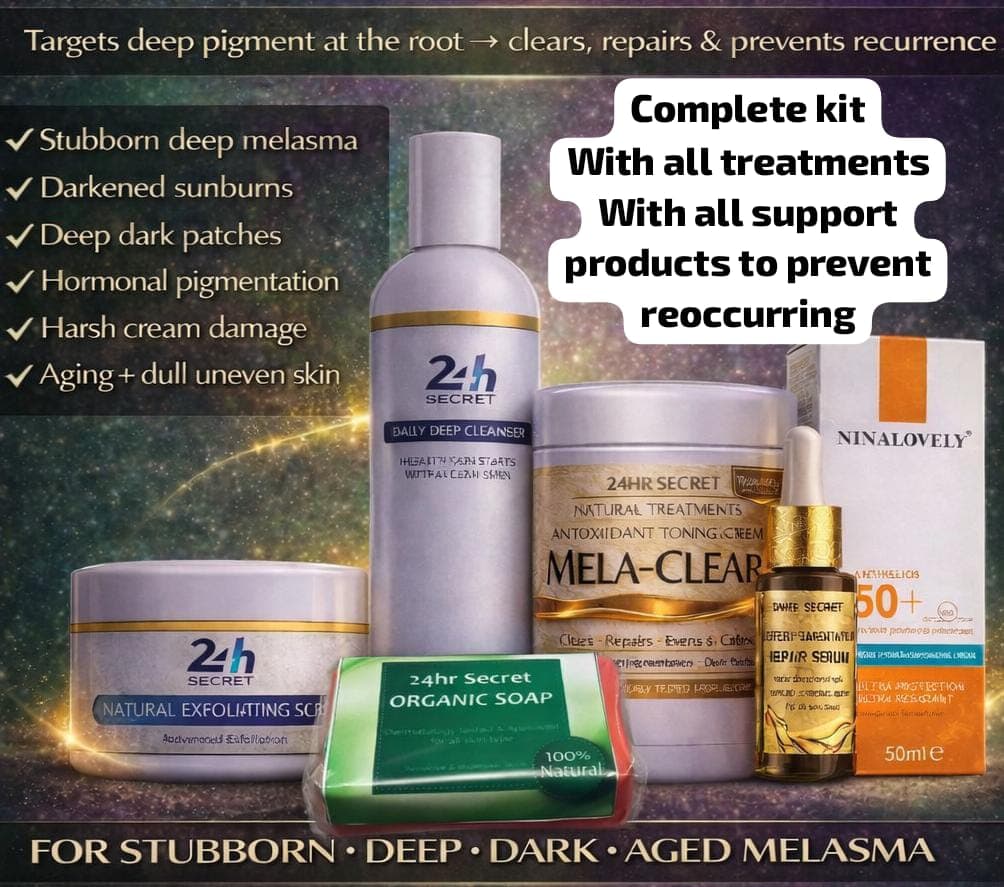
- Moderate to severe, long-standing melasma: the Complete Full Melasma Treatment Kit is the full 6-product system, including sunscreen and daily soap.
Melasma in pregnancy
Pregnancy melasma (the 'mask of pregnancy') is driven by hormones and often fades on its own in the months after birth — but sun protection during and after pregnancy makes a huge difference to how quickly. During pregnancy and breastfeeding, avoid strong actives like high-dose retinoids and hydroquinone, and focus on the two safest pillars: gentle barrier care and diligent SPF 50+. If you want to treat actively, speak to your doctor about what is appropriate for your stage.
How long until I see results?
With a consistent routine, most people notice their skin looks brighter and more even from week 2–4, with the patches themselves visibly fading over 8–12 weeks. Deeper, older melasma takes longer. The biggest mistake is stopping once it starts working — keep going through a full cycle, then move to maintenance (treatment a few times a week plus daily sunscreen).
The one habit that decides your results
If you remember nothing else: wear SPF 50+ every morning and reapply when you are out in the sun for long. It is the difference between melasma that fades and stays gone, and melasma that returns every dry season.