Vitamin C and niacinamide show up on almost every 'brightening ingredient' list, which makes them easy to lump together as interchangeable. They are not — each one solves a different underlying problem, and knowing which is which helps you actually target what your skin needs instead of guessing.
How vitamin C works
Vitamin C is a powerful antioxidant. Its main job is neutralizing free radicals — unstable molecules generated by UV exposure and pollution that break down collagen and accelerate visible aging. Alongside that protective role, it also supports collagen production and can gradually brighten tone by reducing the appearance of dullness and dark spots.
- Best for: dullness, uneven tone from sun exposure, early signs of aging, and general environmental protection.
- How it works: protects existing skin from further damage while supporting collagen and gradually improving tone.
- Things to know: some forms can be less stable and slightly irritating for sensitive skin — gentler, well-formulated versions are easier to tolerate long-term.
How niacinamide works
Niacinamide, also known as vitamin B3, works differently. It helps regulate oil (sebum) production, strengthens the skin's barrier function, and calms redness and inflammation. Its brightening effect comes largely from reducing inflammation and supporting a healthier barrier, rather than direct antioxidant action.
- Best for: oily and acne-prone skin, redness, sensitivity, and a compromised or reactive skin barrier.
- How it works: regulates oil, calms inflammation, and reinforces the barrier that keeps irritants and moisture in check.
- Things to know: it is one of the gentler active ingredients available and is well tolerated by most skin types, including sensitive skin.
| Vitamin C | Niacinamide | |
|---|---|---|
| Main action | Antioxidant protection + collagen support | Oil regulation + barrier support |
| Best for | Dullness, sun damage, early aging | Oily skin, redness, sensitivity |
| Gentleness | Can be less stable/slightly irritating in some forms | Generally very well tolerated |
| Brightening mechanism | Reduces dark spots, boosts radiance | Calms inflammation, evens tone |
Can you use both together?
Yes — vitamin C and niacinamide are generally safe and effective together, and many well-designed routines use both to cover both jobs: antioxidant protection and oil/barrier regulation. Older advice claiming they cancel each other out has largely been superseded by more recent formulation research; most people can layer them without issue.
Which one does your skin actually need?
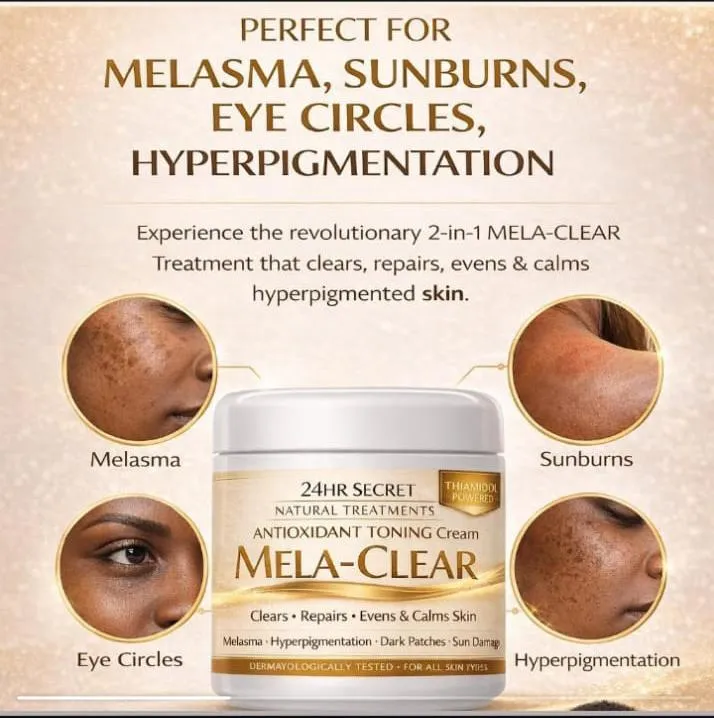
If you are dealing with dullness, sun-related dark spots or early signs of aging, prioritize antioxidant protection and collagen support. Our Antioxidant MelaClear is built around Thiamidol and potent antioxidants to work inside the pigment cycle, addressing the dullness and uneven tone that vitamin C is best known for.
If your main concern is oiliness, breakouts, redness or a reactive, easily-irritated complexion, prioritize oil regulation and barrier support instead. Our 3D Skin Perfection reduces excess oil and calms inflammation — the same jobs niacinamide is best known for.
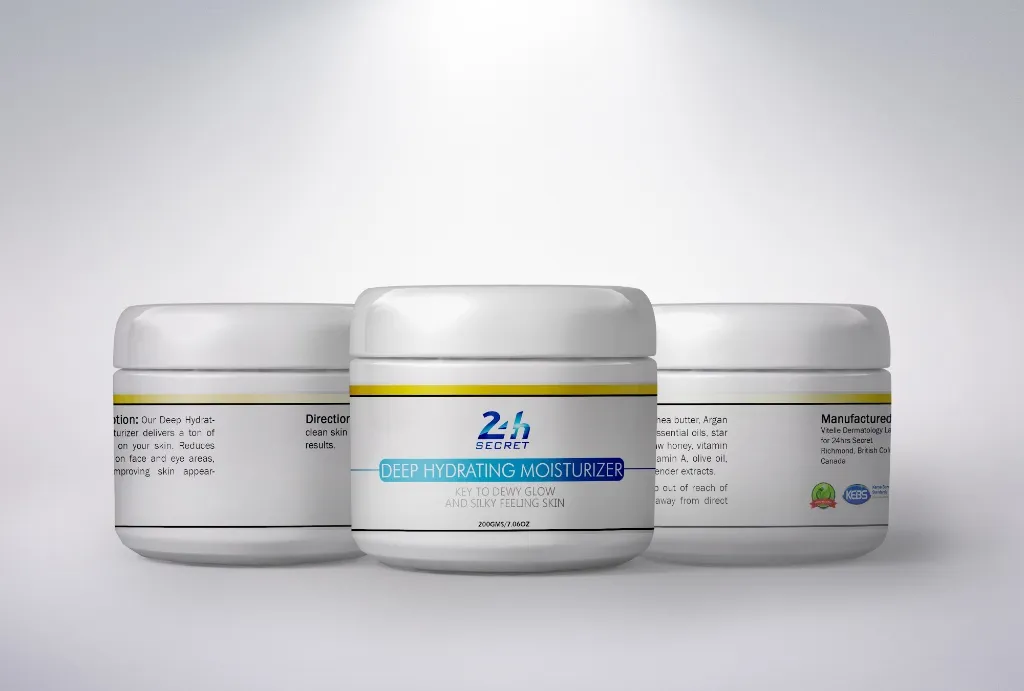
And regardless of which concern is bigger, deep, consistent hydration supports both jobs — a well-hydrated barrier makes any active ingredient work better and feel more comfortable on the skin.
How long until you see results?
Niacinamide's calming and oil-regulating effects are often noticeable within 1–2 weeks. Vitamin C's brightening and collagen-support benefits build more gradually, typically becoming visible over 4–8 weeks of consistent use. Both work best as part of a complete routine — cleansing, treatment, hydration and daily SPF — rather than as a single stand-alone step.