"I have dark spots" could describe several different things — a cluster of small sunspots, a few acne marks, or melasma. They're not interchangeable, and knowing which one you're actually dealing with helps set the right expectations for how long treatment takes.
What "dark spots" usually means
Most of the time, "dark spots" refers to small, well-defined marks — sunspots (solar lentigines), age spots, or leftover marks from a healed pimple or minor injury. These typically share a few traits:
- Small and clearly defined, rather than blotchy or spread out
- Often scattered rather than forming a connected patch
- Tied to a specific, identifiable cause — a sunburn, a breakout, an old scar
- Generally respond well to consistent pigment-regulating treatment within several weeks
How melasma is different
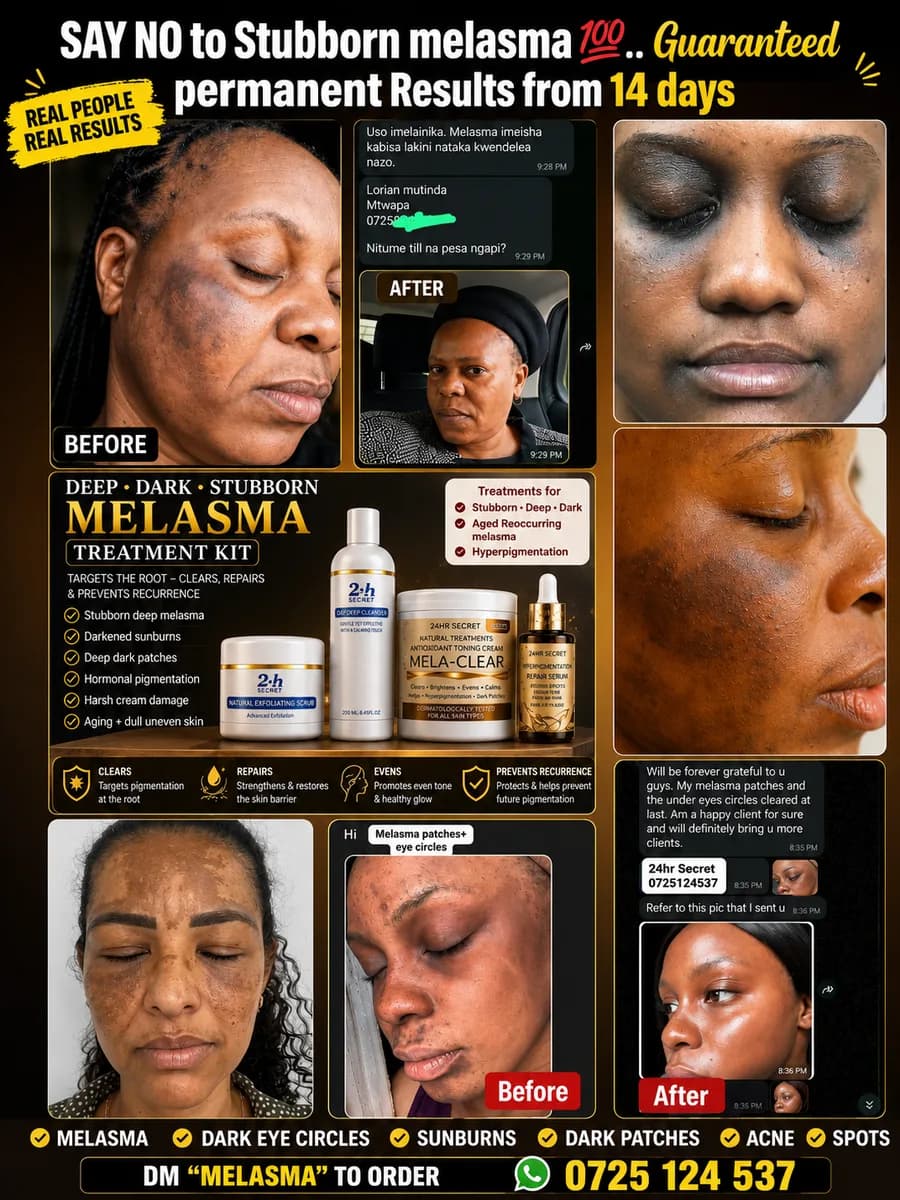
Melasma is a specific pattern of pigmentation, not just "more" dark spots. It tends to show up as larger, connected, blotchy patches — often symmetrical across both sides of the face — on the cheeks, forehead, nose bridge or upper lip. It's driven as much by hormones (pregnancy, hormonal contraceptives, hormonal shifts) as by sun, which is why it can appear or worsen even without an obvious sun-exposure trigger.
| Typical Dark Spots | Melasma | |
|---|---|---|
| Shape | Small, defined dots | Larger, blotchy patches |
| Pattern | Scattered | Often symmetrical |
| Main trigger | Sun exposure, healed acne/injury | Hormones + sun exposure |
| Typical timeline | Weeks with consistent treatment | Longer, with higher chance of recurrence |
Why this distinction matters
If what you actually have is melasma but you're treating it like an isolated dark spot — inconsistently, or without daily SPF — it will keep returning and feel like "nothing works." Melasma needs the fuller, more consistent system; a few scattered dark spots often don't.
The right kit for each
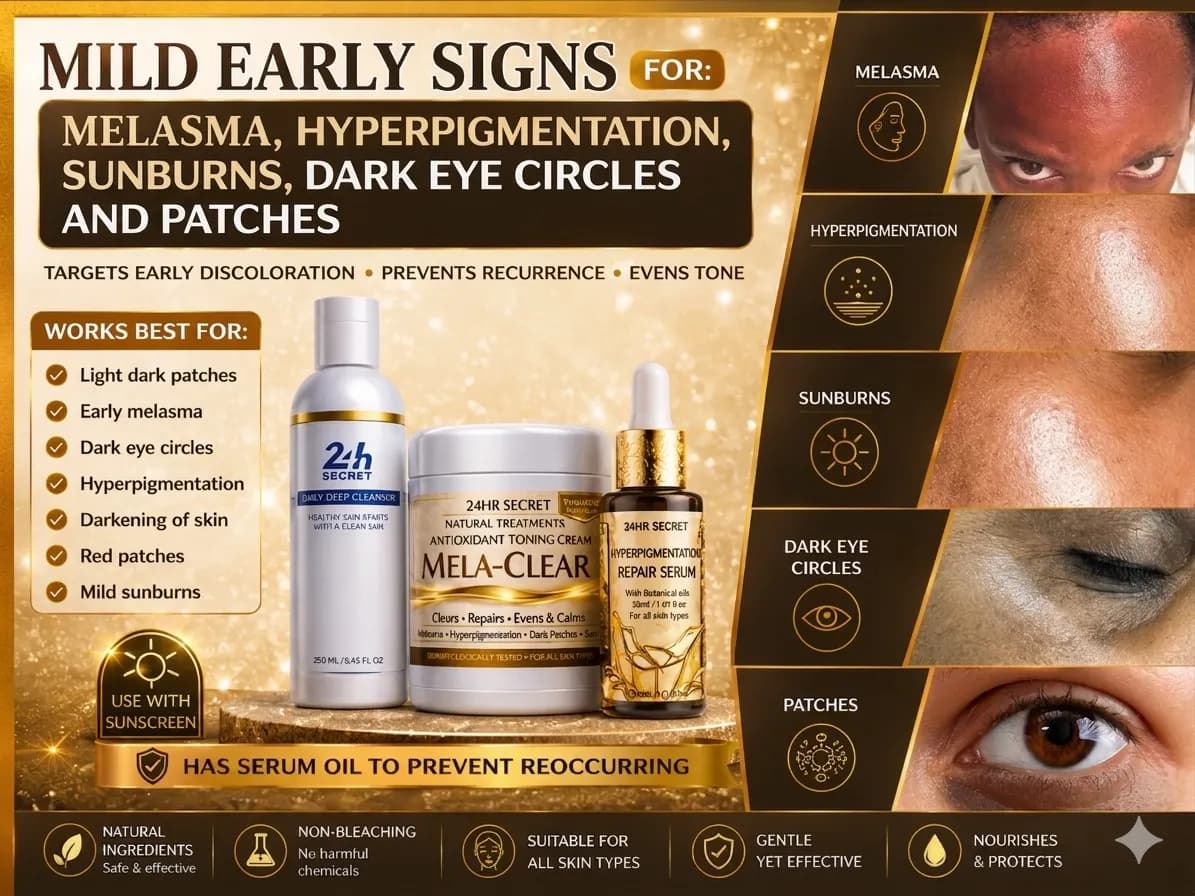
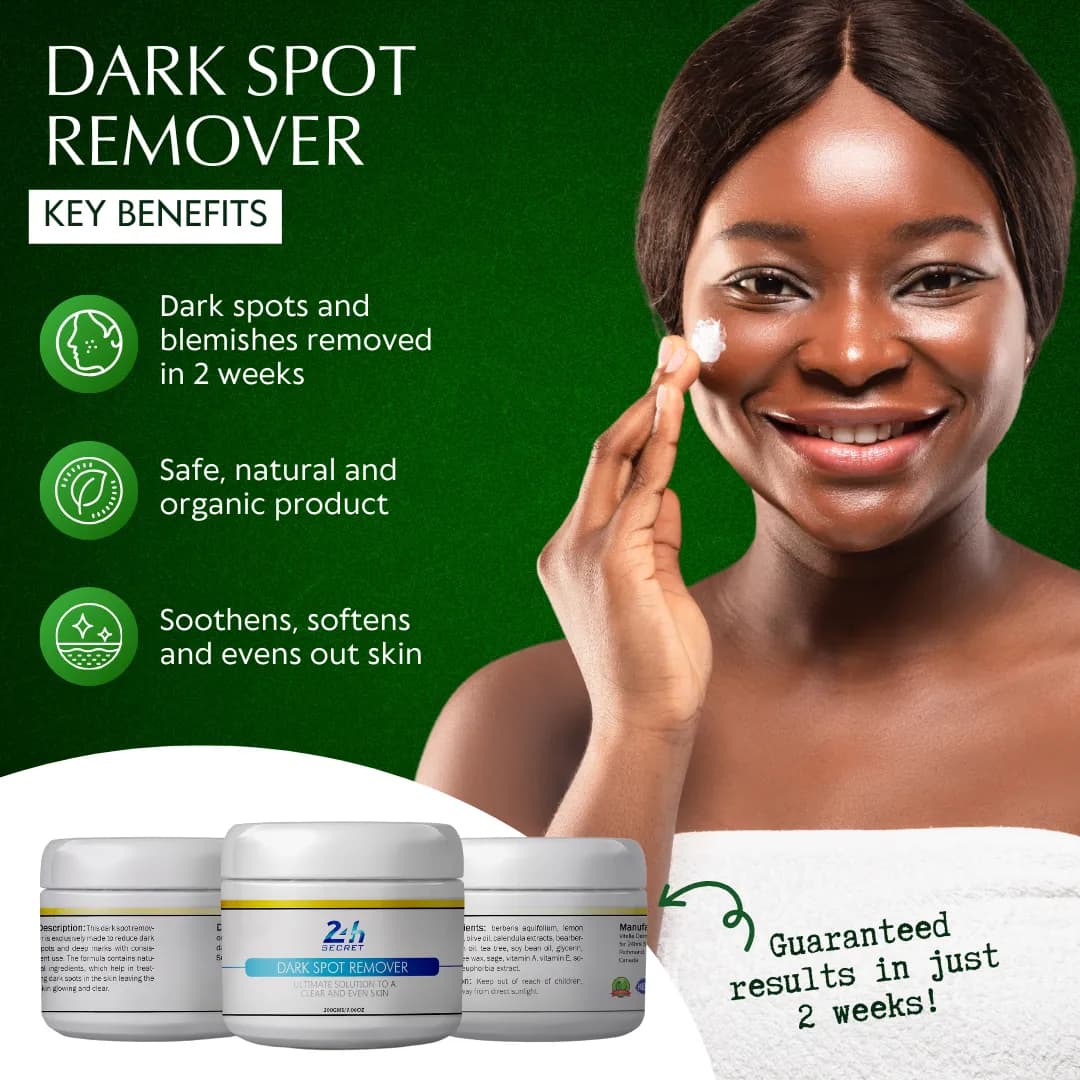
For faint, early or scattered dark spots, a lighter routine is often enough. For melasma-pattern pigmentation — larger, blotchy, symmetrical, or resistant to fading — a deeper, fuller correction system matters more.