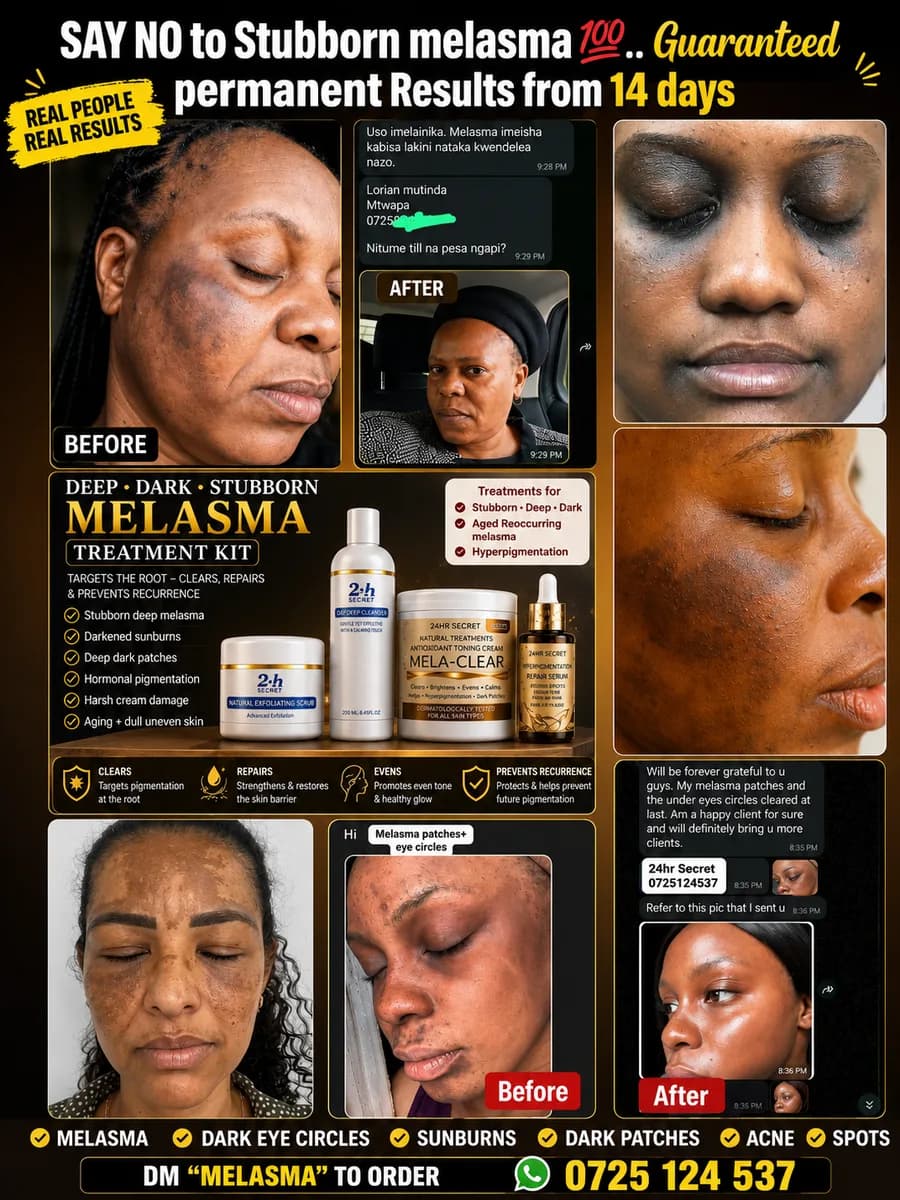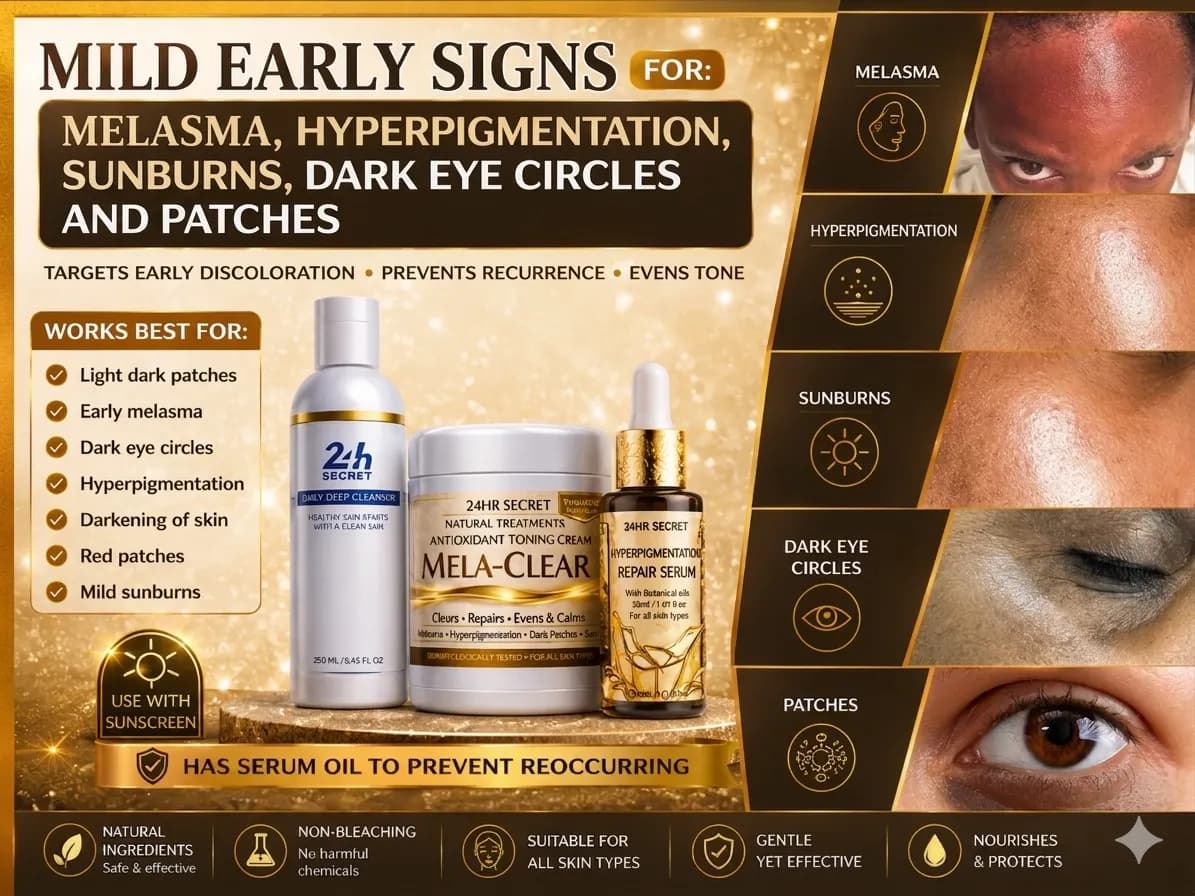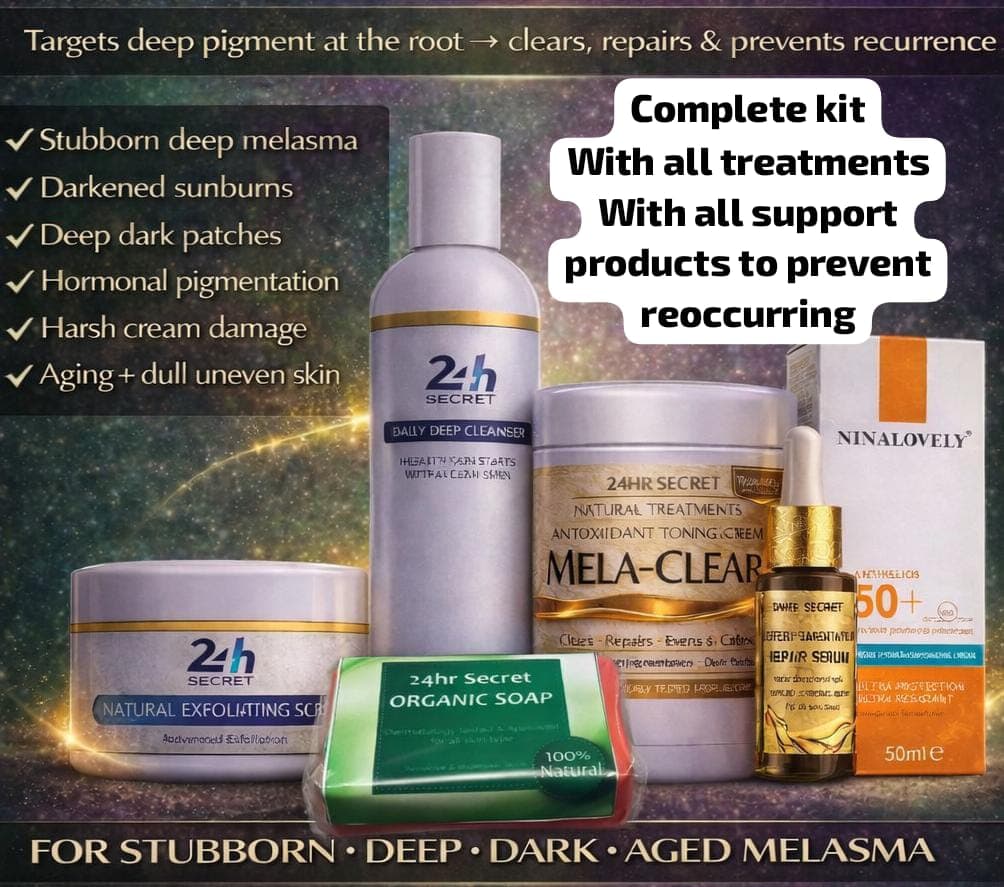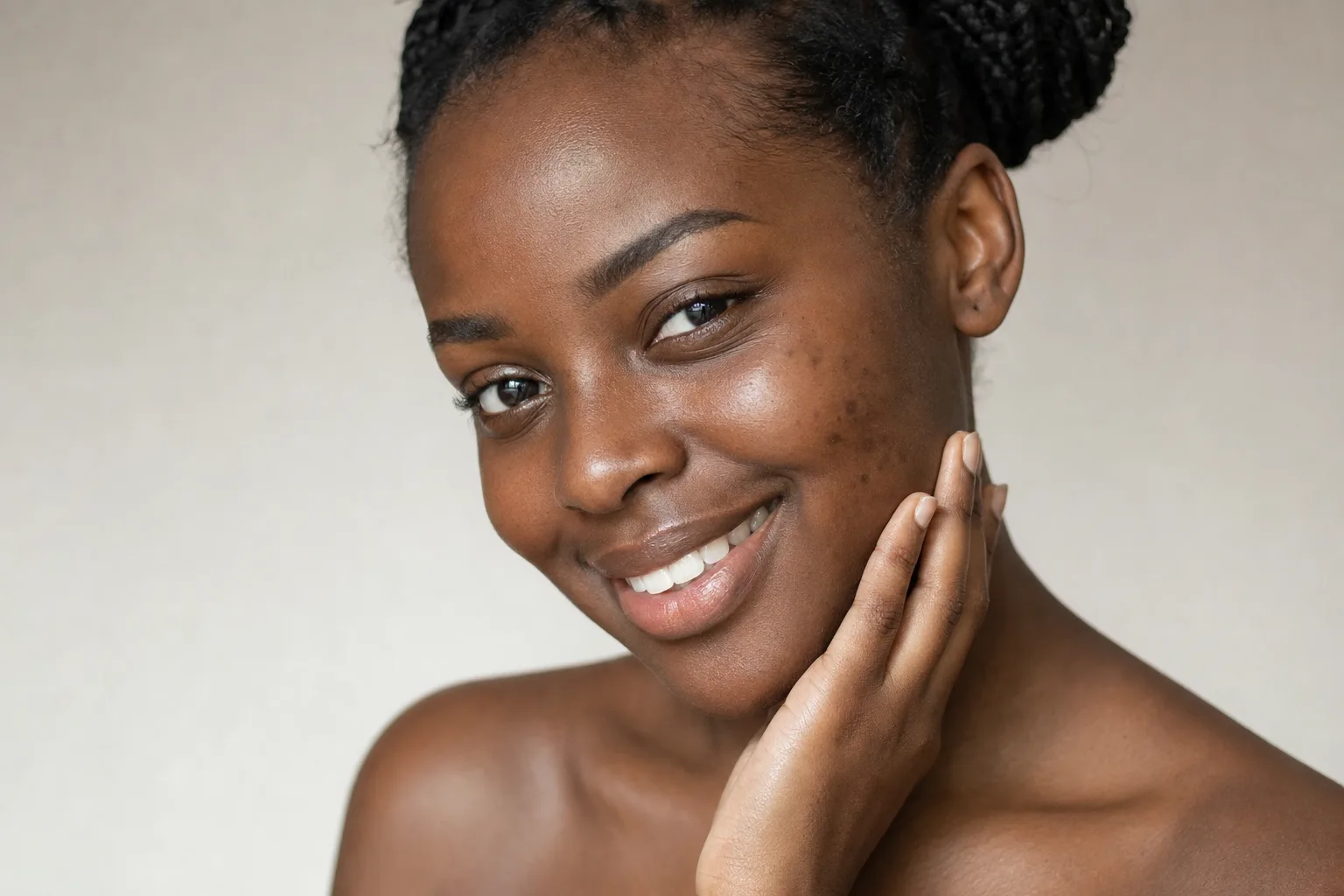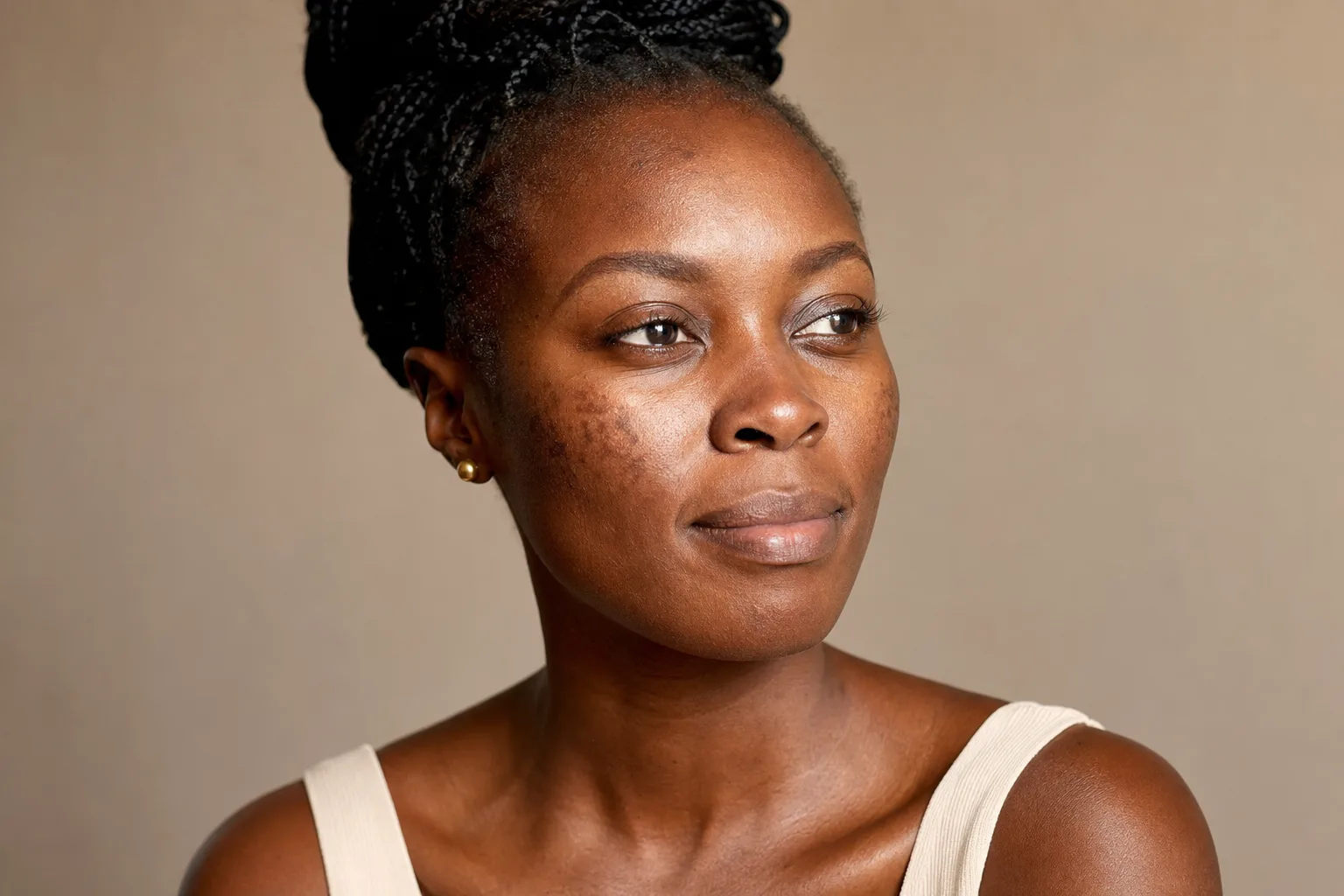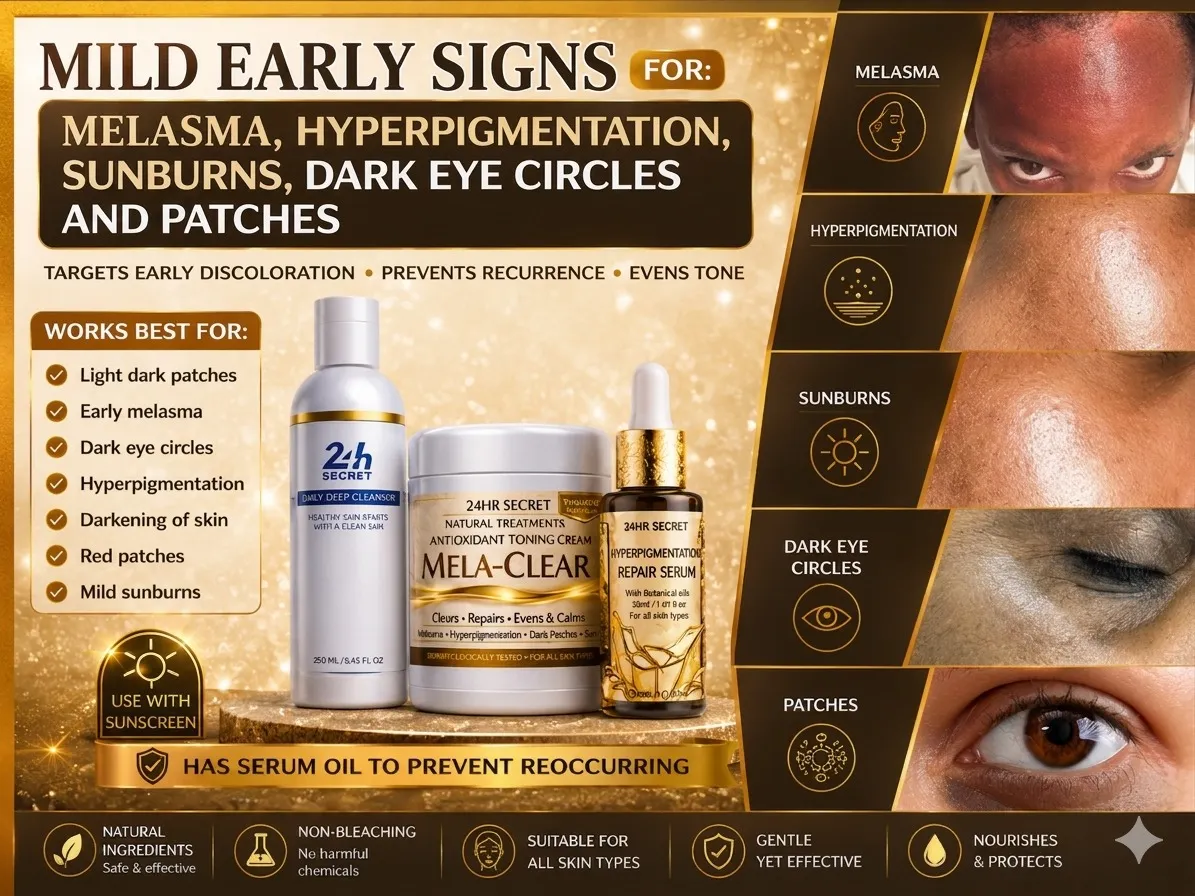
Most global skincare brands formulate for the broadest possible market — which usually means moderate climates and a range of skin tones weighted toward lighter skin, since that's historically where the biggest markets have been. That's a real gap for anyone with melanin-rich skin living under Kenya's sun, and it's exactly the gap we built around.
Why melanin-rich skin needs a different approach
Skin with more melanin is more prone to post-inflammatory hyperpigmentation — meaning irritation, acne, or even minor injuries are more likely to leave dark marks behind than on lighter skin. This means aggressive, high-irritation actives (common in many imported anti-aging and acne products) can actually cause more pigmentation than they solve, on skin that's already prone to it.
Why Kenya's sun changes the equation
Nairobi sits close to the equator, meaning UV exposure is strong and consistent nearly year-round — very different from the seasonal, lower-intensity sun many products are formulated and tested against. A sunscreen or routine designed for a temperate climate often under-delivers here, which directly affects how well melasma and hyperpigmentation treatments hold up.
Why this shows up as 'nothing works for me'
A common frustration we hear is that imported products "worked for a while" then stopped, or seemed to work for a friend but not for them. Often, this comes down to a formula that wasn't really built for either melanin-rich skin or equatorial sun exposure in the first place.
How we build around this
- Gentle, non-irritating actives that regulate pigment without triggering new post-inflammatory marks
- SPF 50+ as standard, not an afterthought — matched to consistent equatorial UV exposure
- Natural, barrier-supporting ingredients that hold up to daily wear in warm, humid Nairobi conditions
- Real client testing from clients living and working under these exact conditions, not lab results from elsewhere