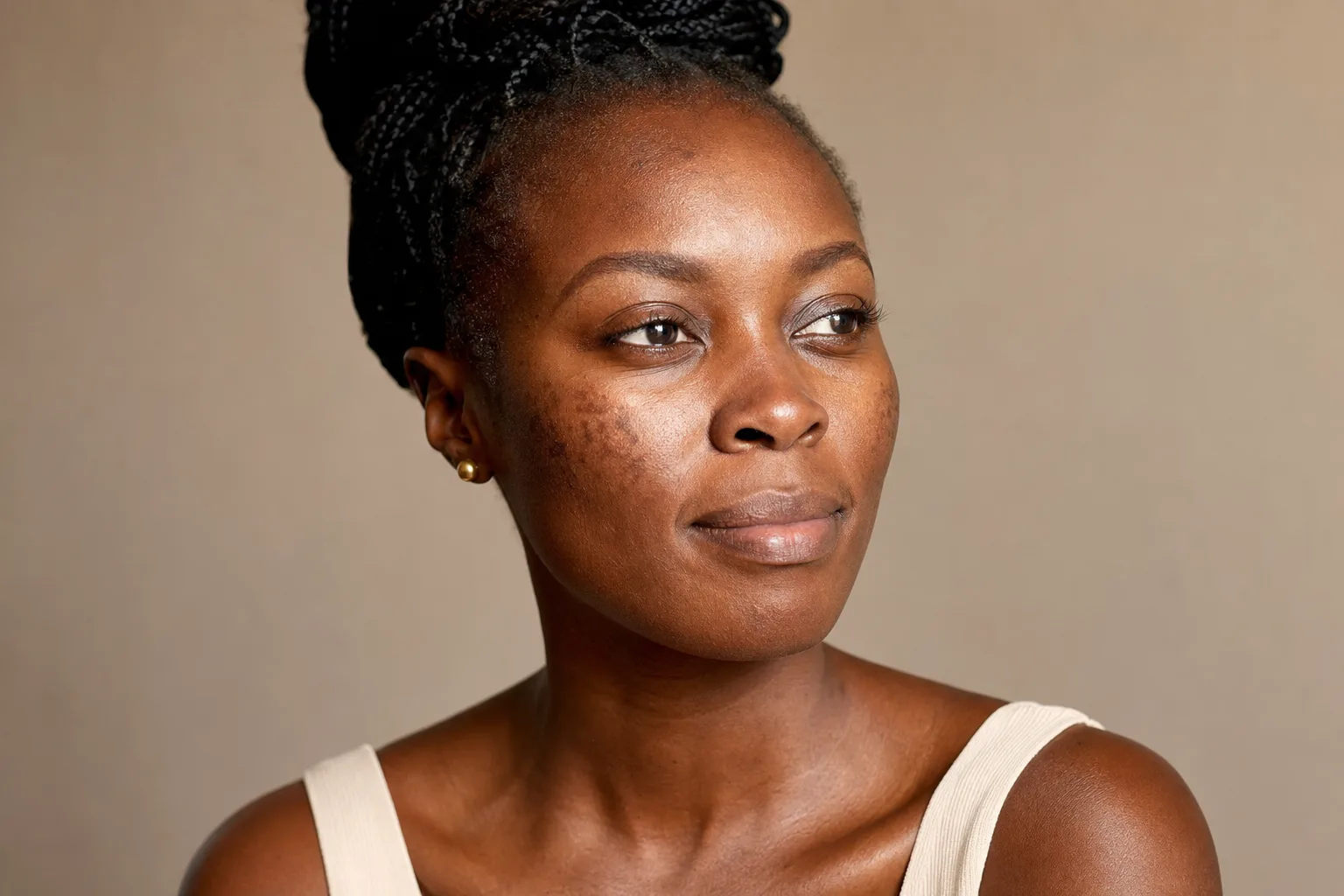
It's not a coincidence that acne shows up around your period, melasma appears during pregnancy, and skin starts changing texture around menopause. All three are downstream effects of the same thing: shifting hormone levels changing how your skin behaves. Understanding the connection helps you treat the actual cause instead of chasing symptoms.
What hormones actually do to skin
- Androgens (like testosterone) increase oil (sebum) production — more oil means more clogged pores and breakouts.
- Estrogen influences collagen production and skin thickness — as estrogen drops, skin loses firmness and hydration.
- Melanocyte-stimulating hormone, boosted by estrogen and progesterone shifts, drives melanin production — this is the direct link to melasma.
Stage by stage: how hormonal skin changes show up
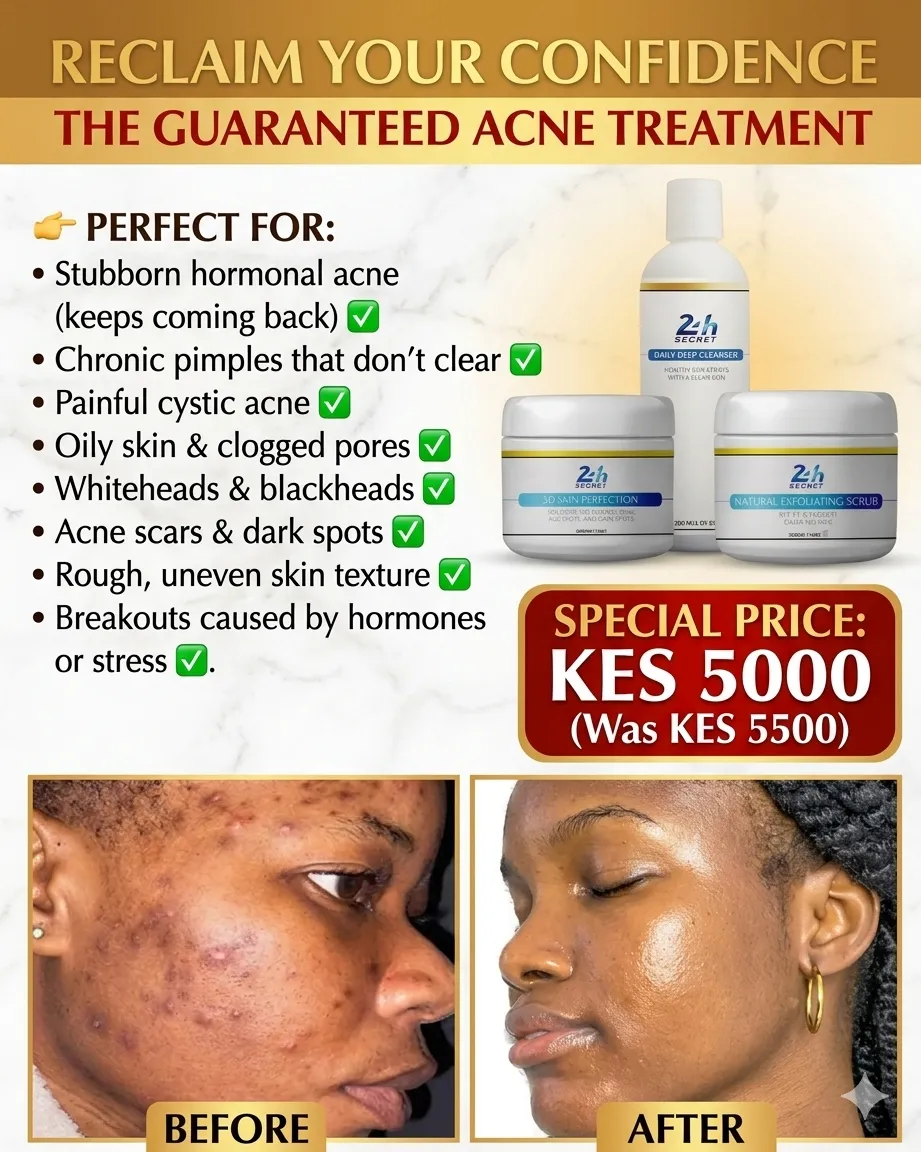
Puberty — hormonal acne
Rising androgens increase oil production right as skin is still developing, leading to clogged pores, blackheads and inflammatory acne — usually concentrated on the T-zone and cheeks.
Monthly cycle — pre-period breakouts
Progesterone rises after ovulation and can increase oil production in the week before your period, which is why breakouts often cluster around the jawline and chin in a monthly pattern.
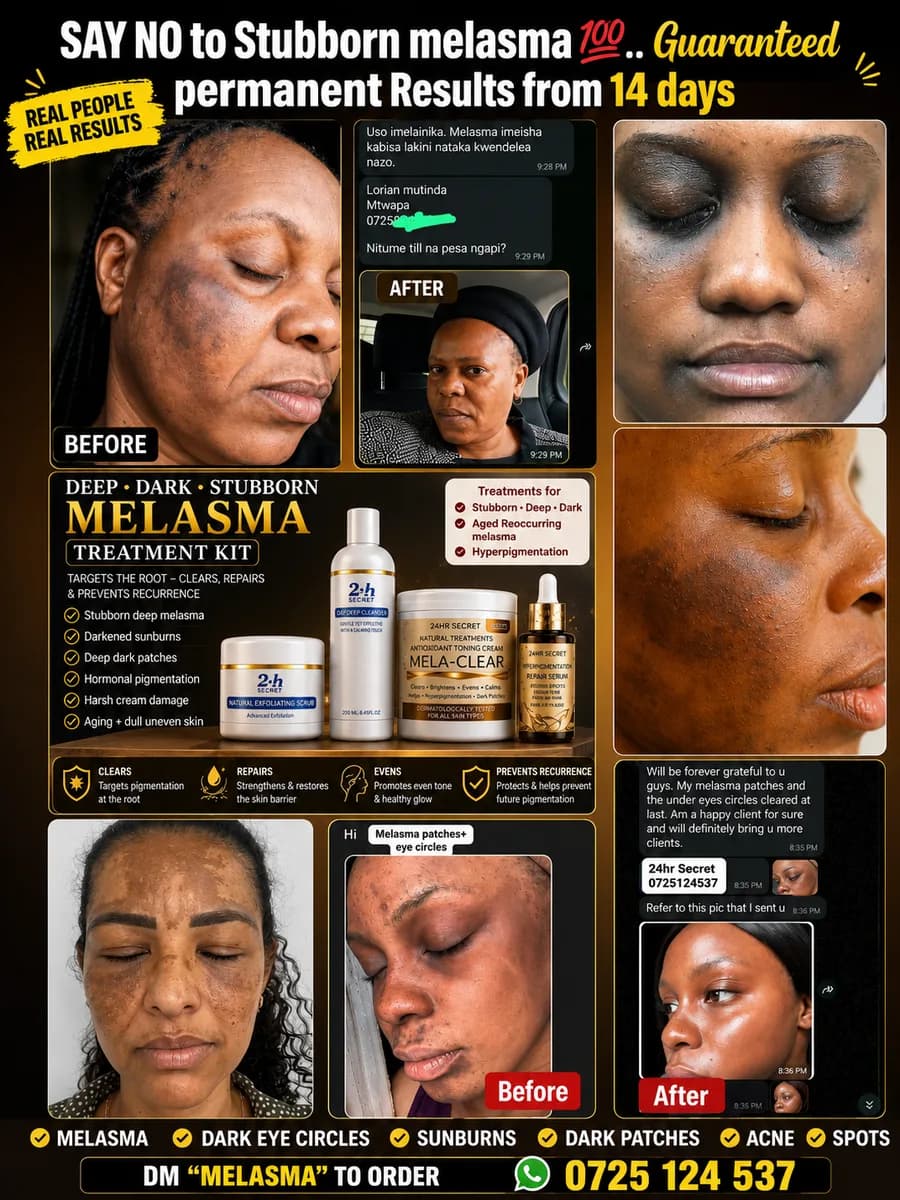
Pregnancy & contraceptives — hormonal melasma
Estrogen and progesterone surge during pregnancy and with hormonal contraceptives, directly stimulating melanin production — this is why melasma is sometimes called the "mask of pregnancy" and why it can also appear or worsen after starting birth control.
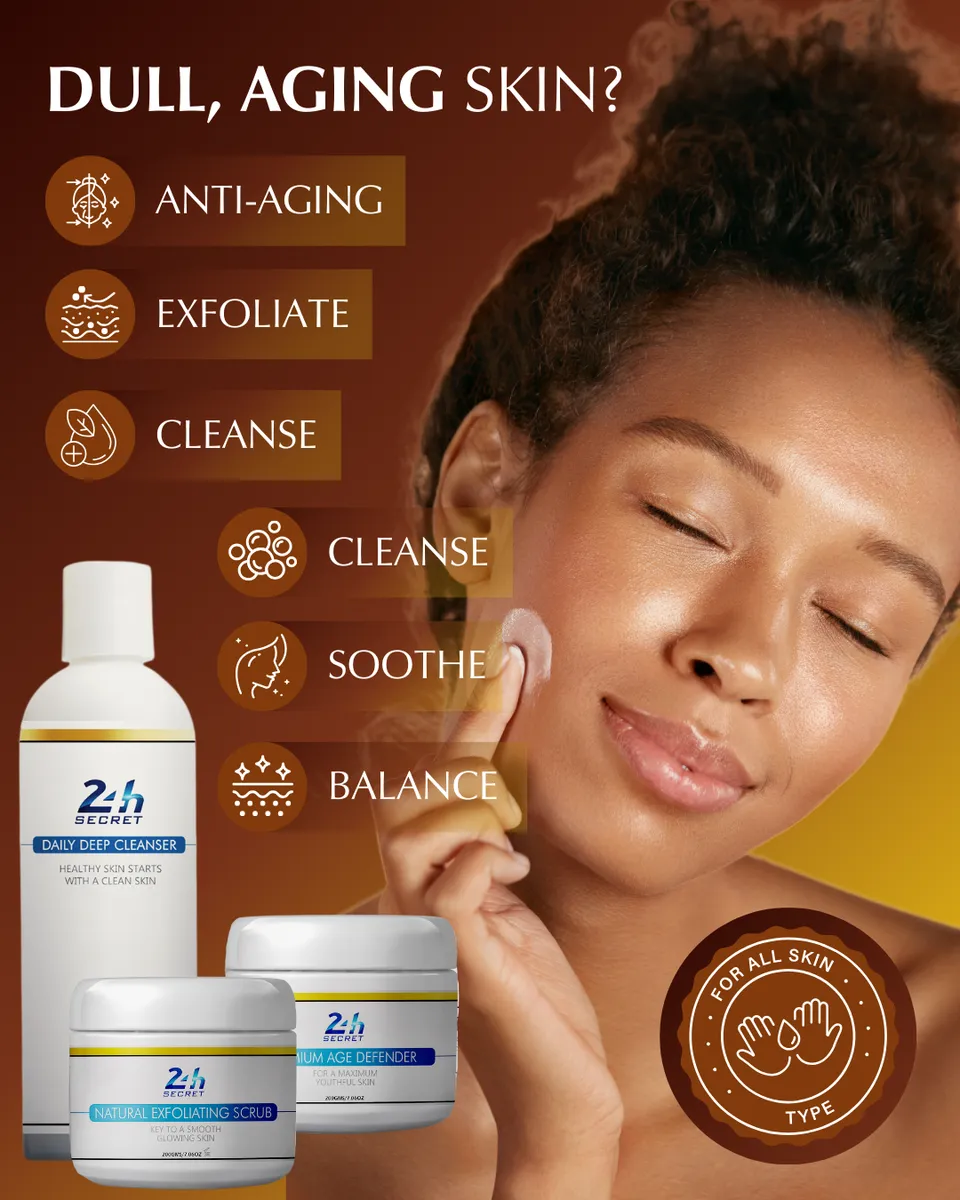
Menopause — thinning, aging skin
As estrogen drops significantly, collagen production slows, skin thins, and fine lines and dullness become more visible — this is why anti-aging routines matter most from this stage onward.
You can't fix hormones with skincare
No cream or serum changes your hormone levels. What skincare can do is treat the visible result — regulate excess pigment, calm excess oil, and support collagen and barrier repair — while the hormonal trigger runs its course or is managed medically if needed.
What actually helps at each stage
For hormonal acne, a routine that clears breakouts and calms inflammation without over-stripping the skin (which can trigger more oil production as a rebound) is key.
For hormonal melasma from pregnancy or contraceptives, pigment-regulating products plus strict daily SPF matter most, since UV exposure compounds hormonal pigment triggers.
For aging skin around menopause, collagen-supporting ingredients and consistent renewal matter more than aggressive actives.