Dark knuckles, elbows and underarms are one of the most common skin concerns we hear about — and one wrapped in the most unnecessary shame. To be clear from the start: this has nothing to do with hygiene. It's a specific, well-understood form of hyperpigmentation with real causes and a real treatment path.
What actually causes it
- Friction — elbows leaning on desks, knuckles from repeated bending, underarms rubbing against clothing. Repeated mechanical stress triggers inflammation, and inflammation triggers melanin production, the same mechanism behind acne dark marks.
- Dead skin buildup — these areas naturally accumulate more dead skin than smoother parts of the body, which can make pigmentation look more concentrated and obvious.
- Shaving and hair removal (underarms specifically) — irritation from repeated shaving is a well-documented pigmentation trigger.
- Thicker skin overall — knuckles and elbows have naturally thicker, tougher skin, which tends to hold onto pigment more stubbornly than facial skin.
Why it's not about washing more
No amount of extra scrubbing or washing changes friction-based or hormonal pigmentation — and over-scrubbing can actually make it worse by adding more irritation, which triggers more pigment. The fix is treatment, not harder cleaning.
The two-part approach that works
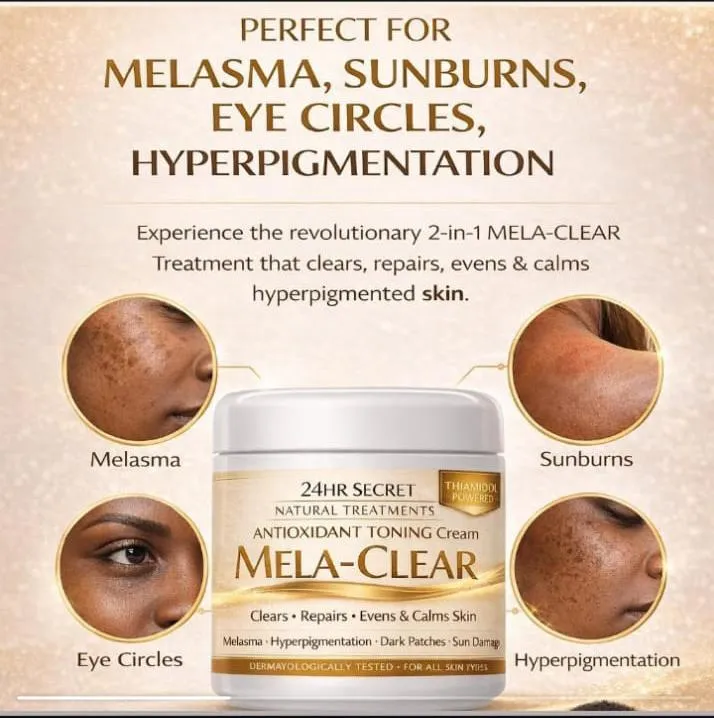
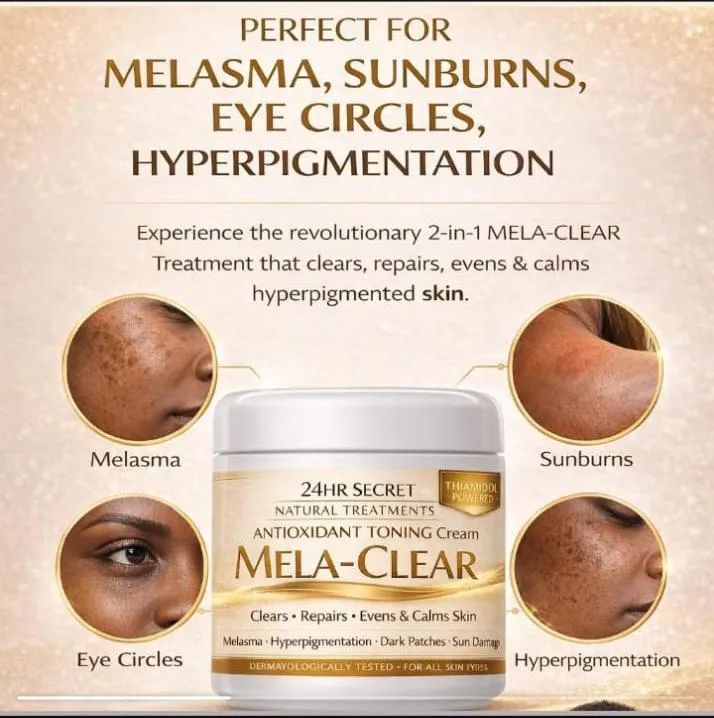
Because these areas combine dead skin buildup with active pigment production, treatment needs to do two things at once: gently exfoliate to lift surface buildup, and regulate the underlying pigment production so it doesn't just come back.
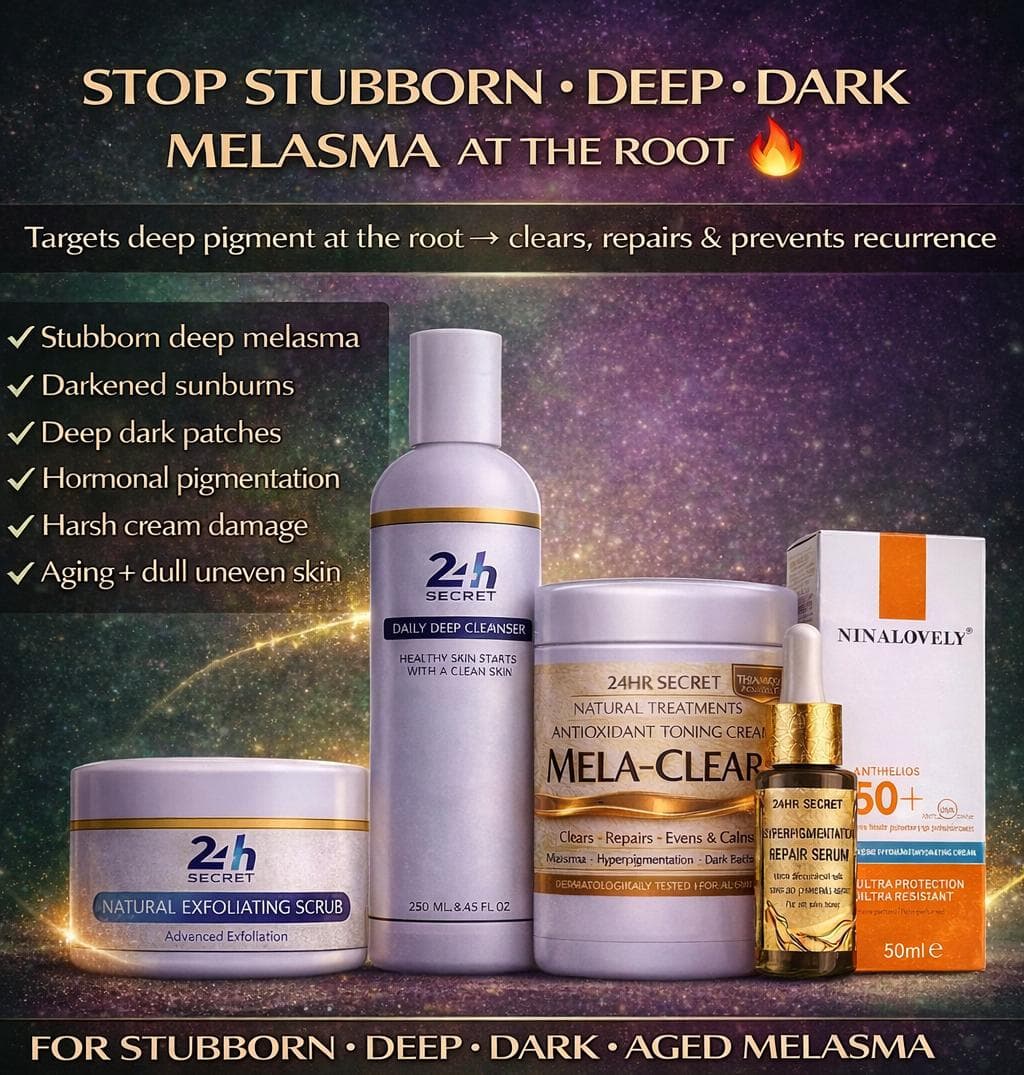
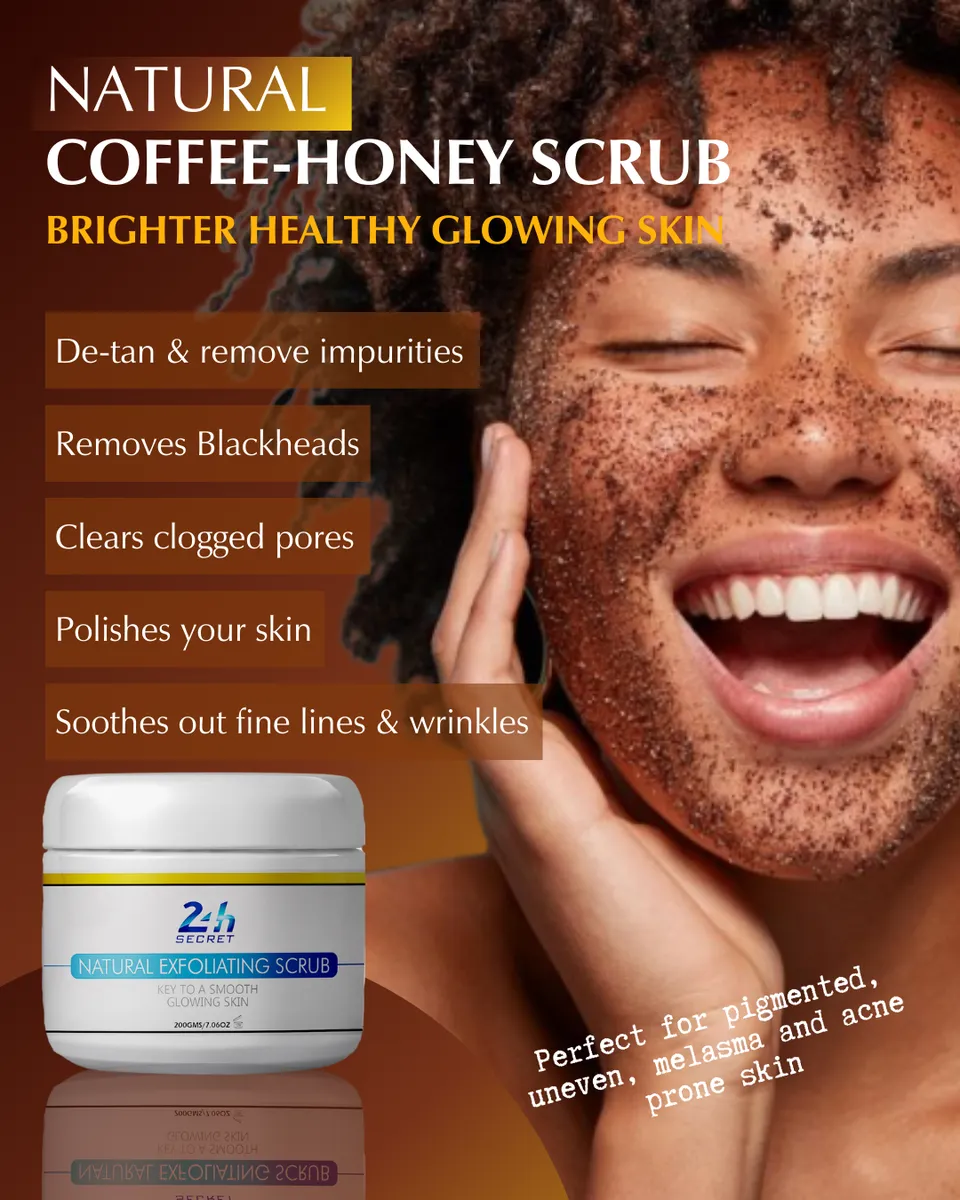
Pairing this with the Caffeic Mask Scrub for gentle exfoliation addresses the buildup side, while for more stubborn, long-standing dark patches, a full kit like the Deep/Stubborn Melasma Kit tackles both causes together.
Reduce the friction, or it keeps coming back
Treatment works best alongside small changes: loosen tight clothing around the underarms, use a proper shaving technique (sharp razor, shave with the grain, moisturize after), and be mindful of resting elbows on hard surfaces. None of this replaces treatment — it just stops new pigment from forming as fast as the old pigment fades.