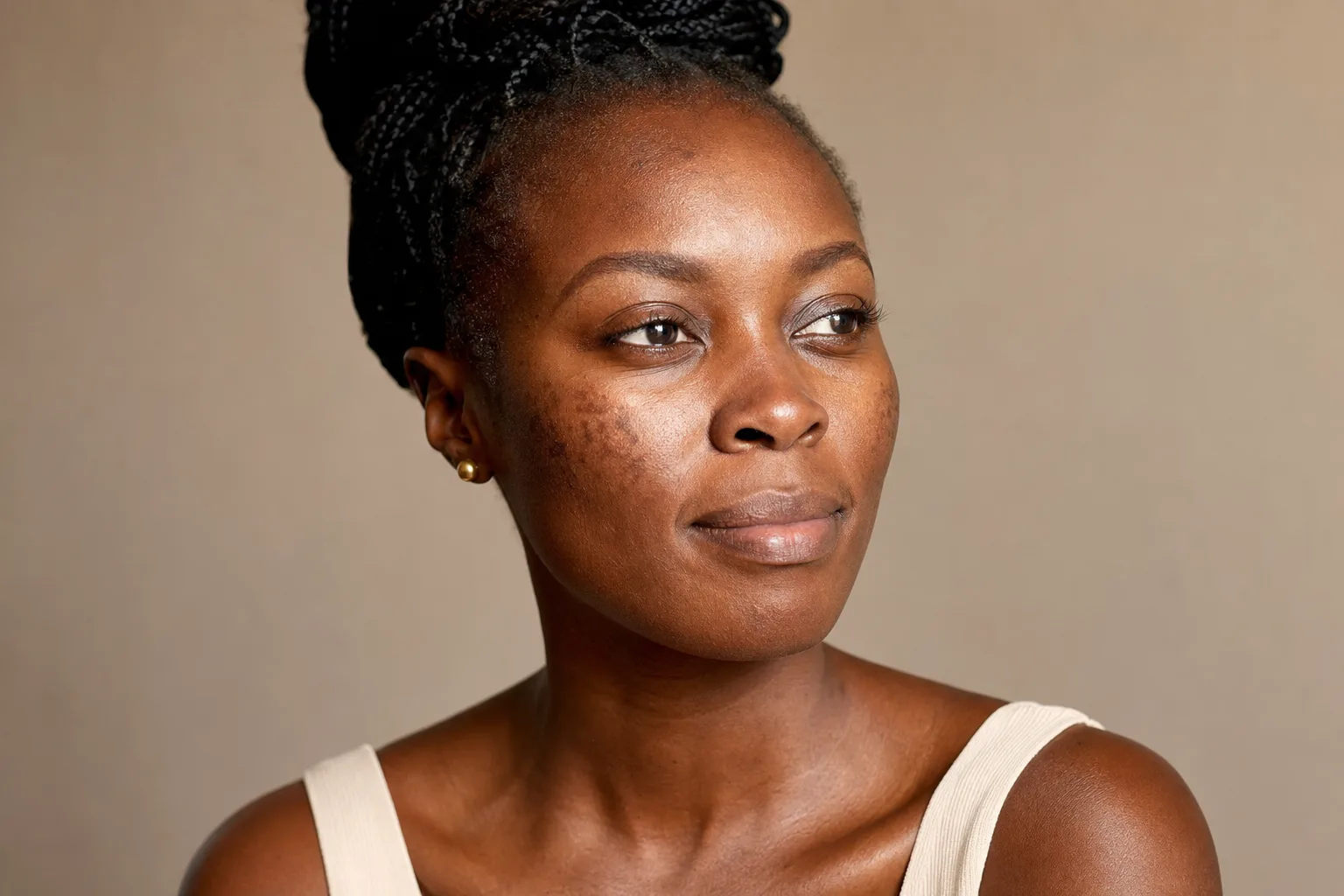
If you've used bleaching creams in the past and are now dealing with thinner, more reactive skin, uneven patches, or pigmentation that's returned darker than before, you're not alone — and it's genuinely repairable. But it requires undoing the damage, not adding another harsh product on top of it.
What bleaching actually does to skin
Many bleaching products — particularly those with mercury or misused high-strength hydroquinone — work by aggressively suppressing melanin production and, in the process, thinning the outer skin layers. Thinner skin means a weaker barrier, more visible blood vessels, higher sensitivity to sun and irritation, and ironically, a higher risk of rebound pigmentation once the product stops working as intended.
Why pigmentation often returns darker
A damaged skin barrier is more reactive to every trigger — sun, heat, minor irritation. That heightened reactivity means melanocytes overreact more easily than they would on healthy skin, which is why many people find their pigmentation returns worse after stopping bleaching products, not better.
Step one: stop completely
Skin cannot rebuild its barrier while still being actively thinned. This is non-negotiable — any repair routine only works once bleaching products are fully stopped, even though skin may look worse for a short adjustment period as it begins to normalize.
The repair-focused routine
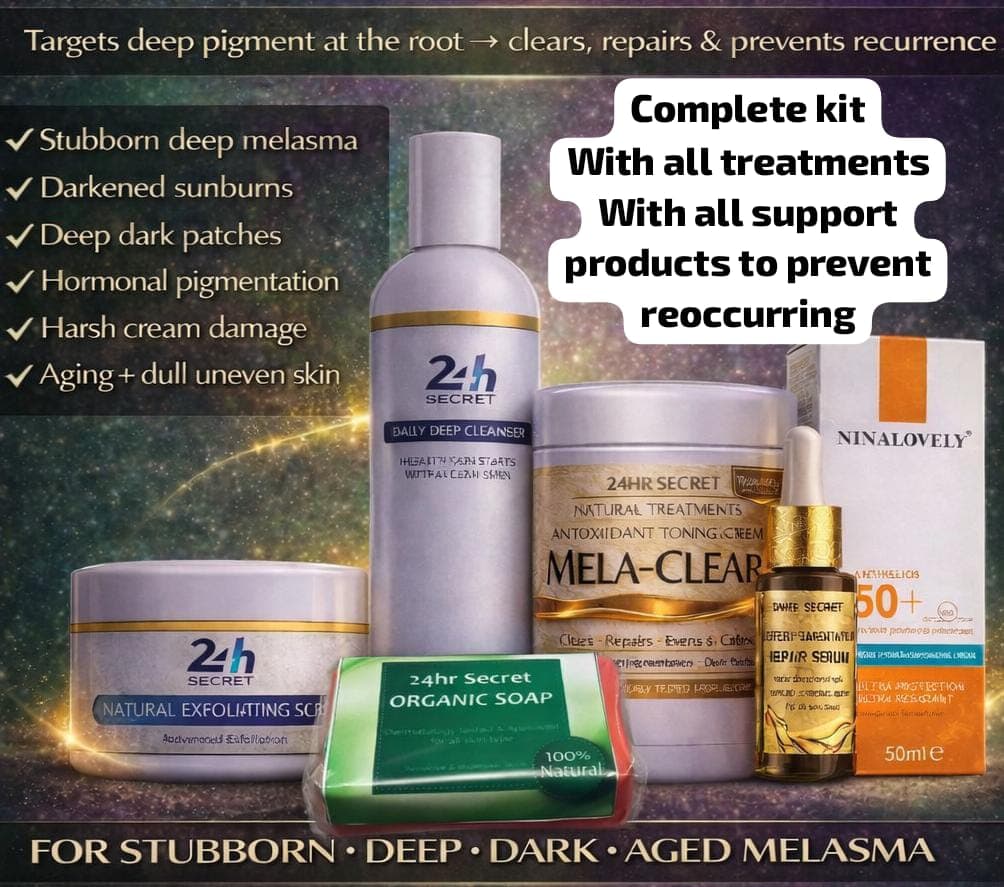
Recovery is about rebuilding, not more aggressive treatment. A gentle, consistent routine — cleanse without stripping, regulate pigment gently, and prioritize barrier repair — gives damaged skin the conditions it needs to heal.
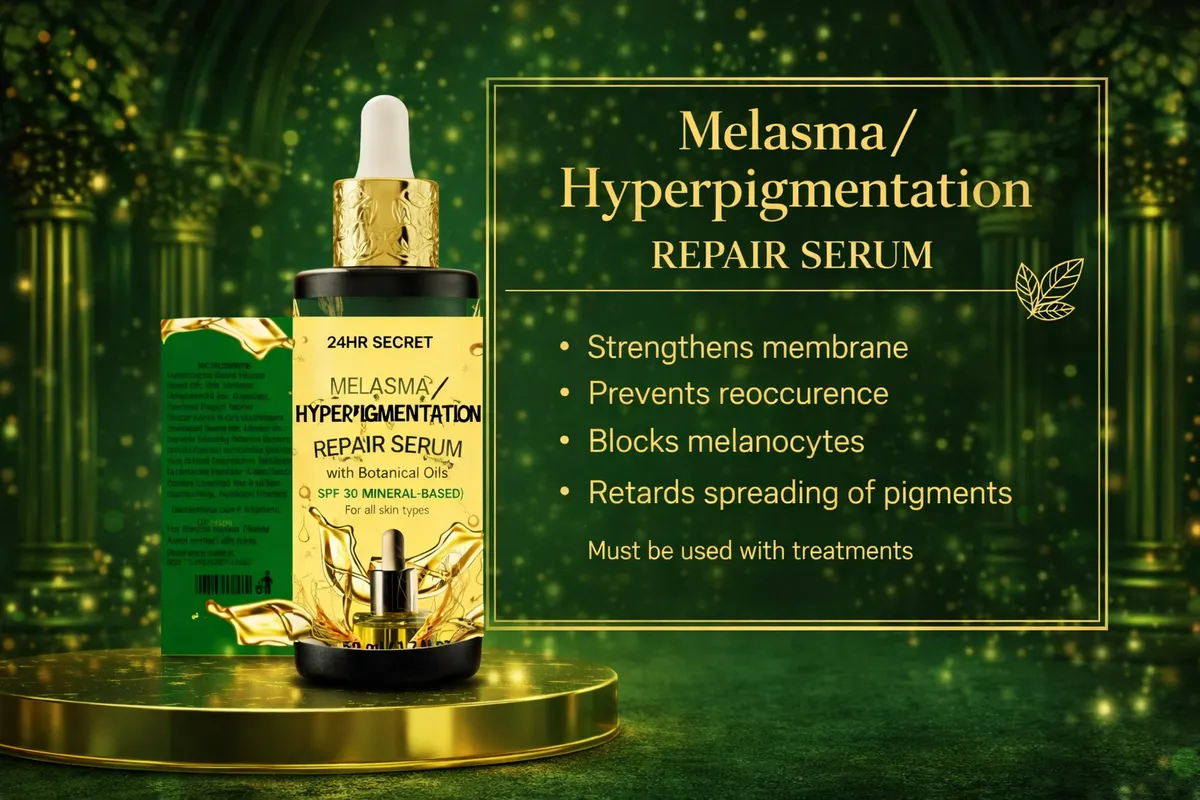
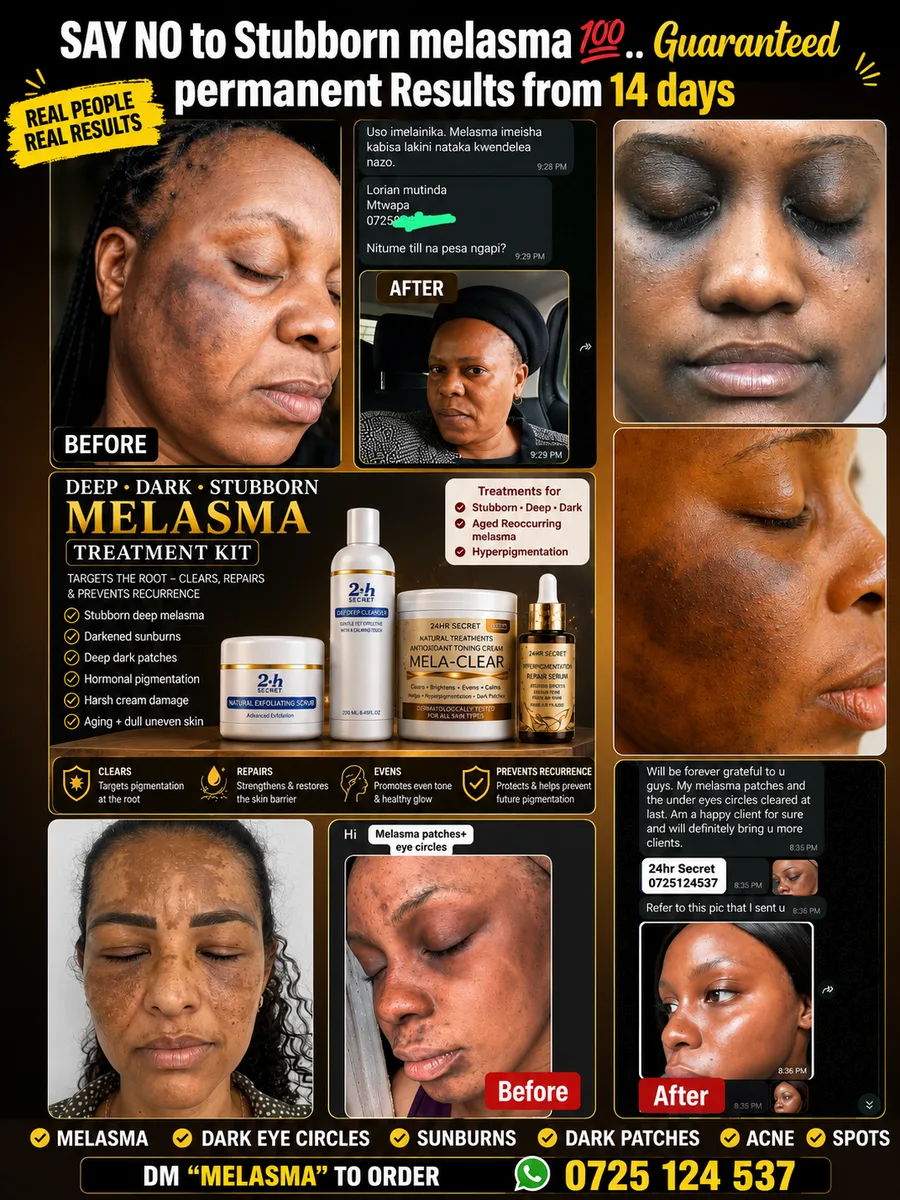
The Hyperpigmentation Repair Serum Oil specifically targets barrier strength and calming inflammation — the two things damaged, previously-bleached skin needs most before pigment correction can work properly.
What to expect, and when
Because the skin is repairing structural damage, not just fading surface pigment, this process is typically slower than standard melasma correction — often 10-12 weeks before skin feels fully normalized, with pigment improvement continuing after that. Daily SPF 50+ is essential throughout, since damaged skin is significantly more UV-reactive.