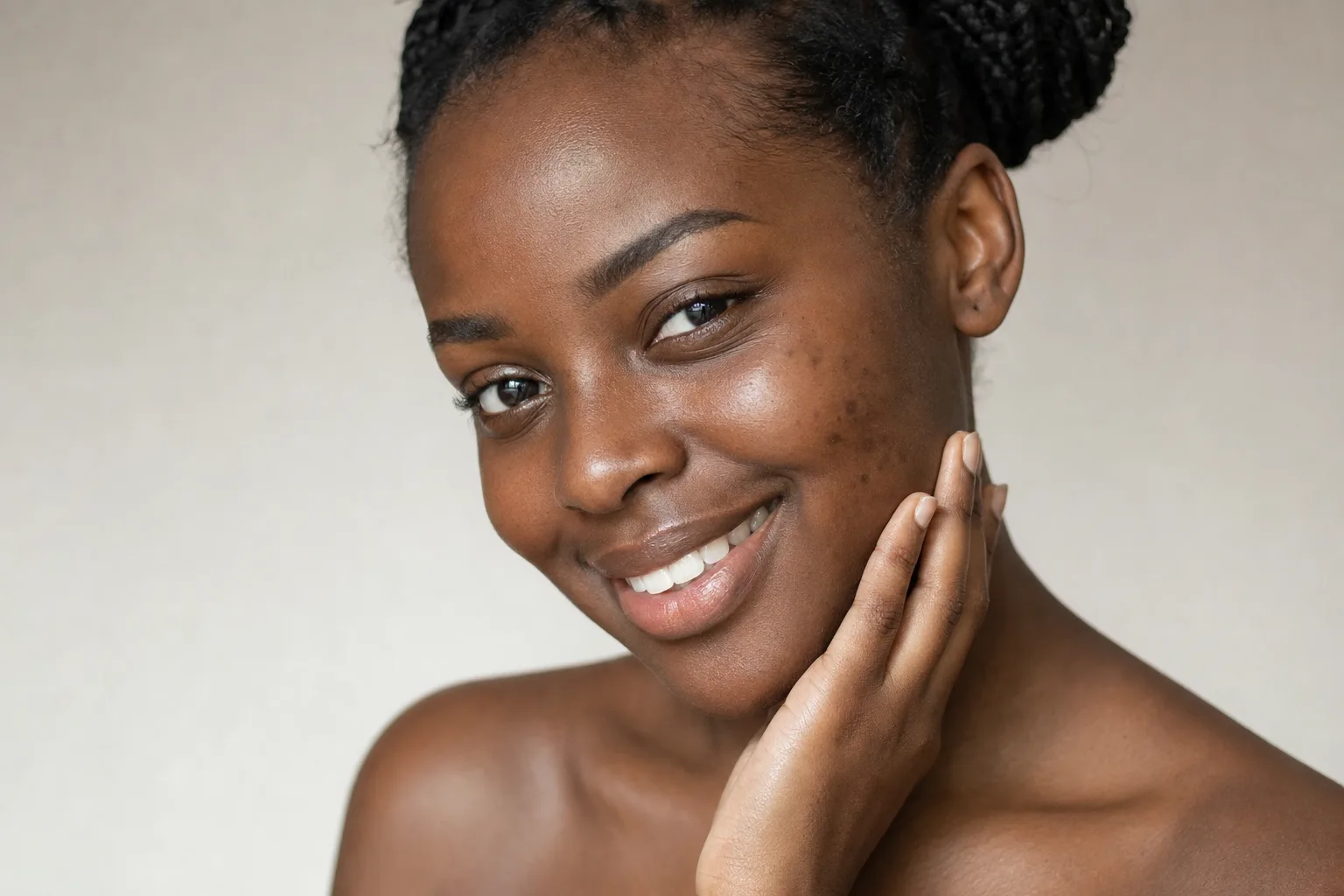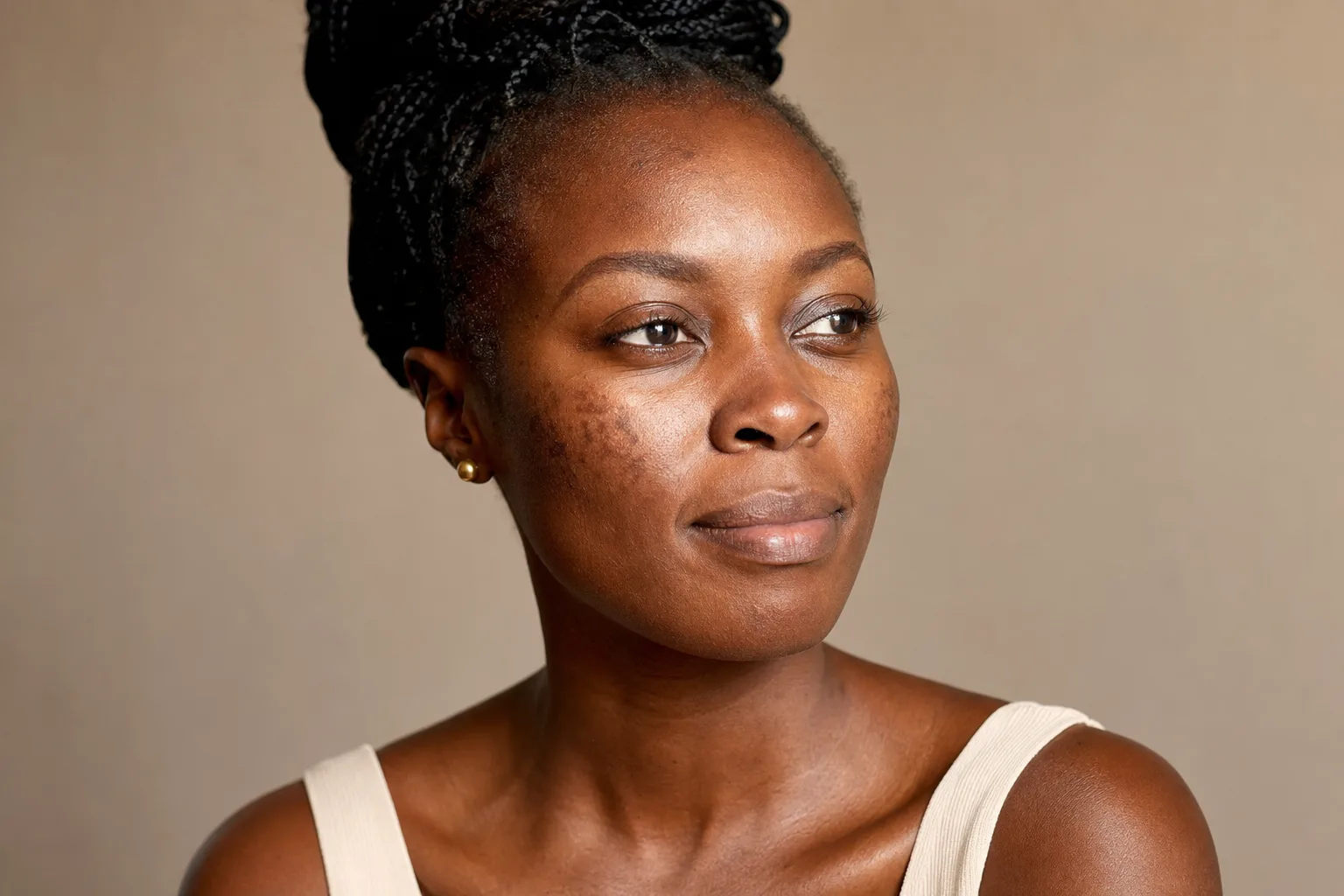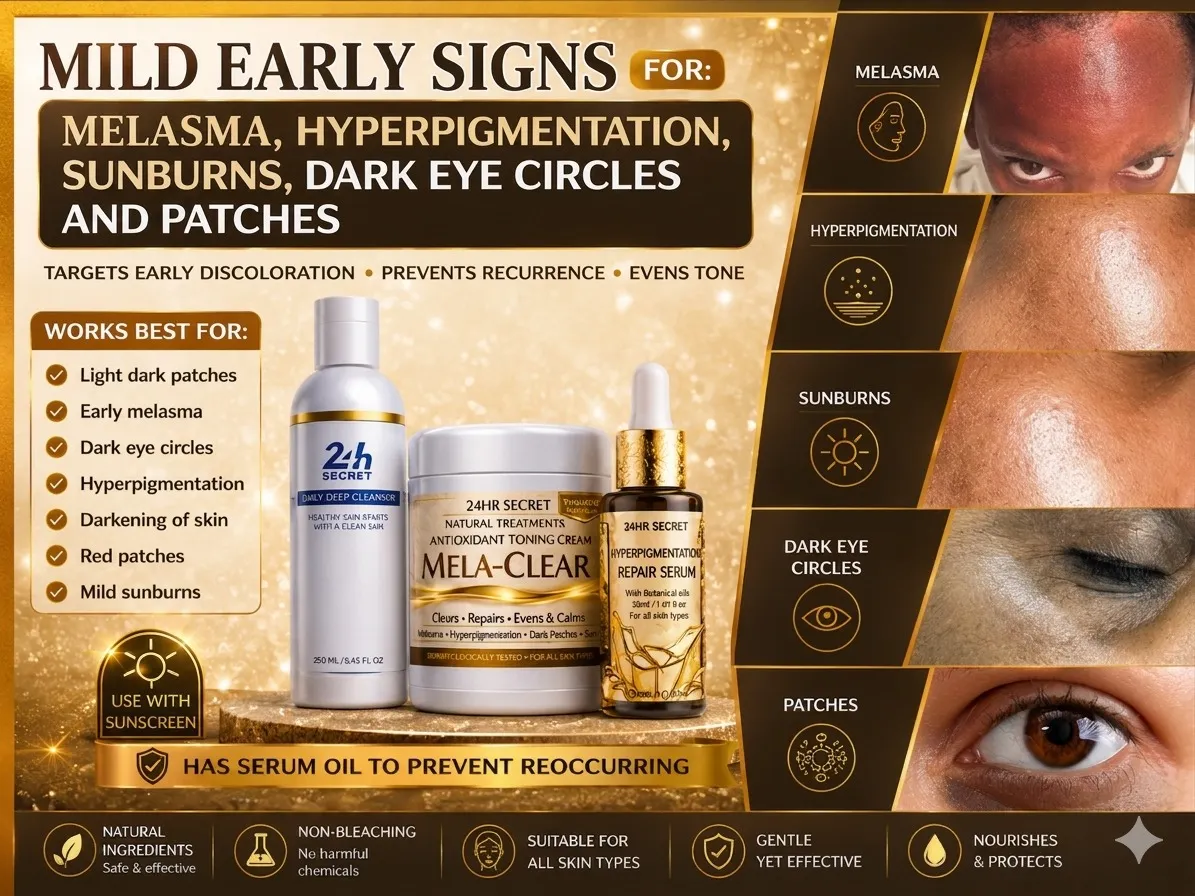
If you've noticed dark patches spreading across your cheeks, forehead or upper lip during pregnancy, you're dealing with one of the most common pregnancy skin changes — often called the "mask of pregnancy." It's harmless, extremely common, and — while it needs a slightly different approach during pregnancy itself — very treatable afterward.
Why pregnancy triggers melasma
Pregnancy causes a significant rise in estrogen and progesterone, both of which stimulate melanocyte activity. Combined with normal sun exposure, this hormonal surge is enough to trigger visible pigmentation in many women — even those who've never had skin concerns before. It typically appears symmetrically on the cheeks, forehead, nose bridge and upper lip.
A note on safety first
This article is general information, not medical advice. Always check with your doctor or midwife before starting any new skincare product during pregnancy or while breastfeeding — some active ingredients are best avoided during this time.
What's safe during pregnancy
- Daily SPF 50+ — completely safe and the single most protective step you can take. Sun exposure is a major trigger, so consistent sunscreen prevents new pigmentation from forming even while hormone levels are elevated.
- Gentle cleansing — keeping skin clean without harsh actives supports overall skin health without introducing anything of concern.
- Avoiding new active treatments without medical clearance — this is the time to protect and maintain, not aggressively treat.
After pregnancy and breastfeeding
Once you've got medical clearance to resume normal skincare, postpartum melasma responds to the same root-cause approach as any other hormonal melasma: regulate pigment production, lift what's accumulated, repair the skin barrier, and continue daily sun protection.
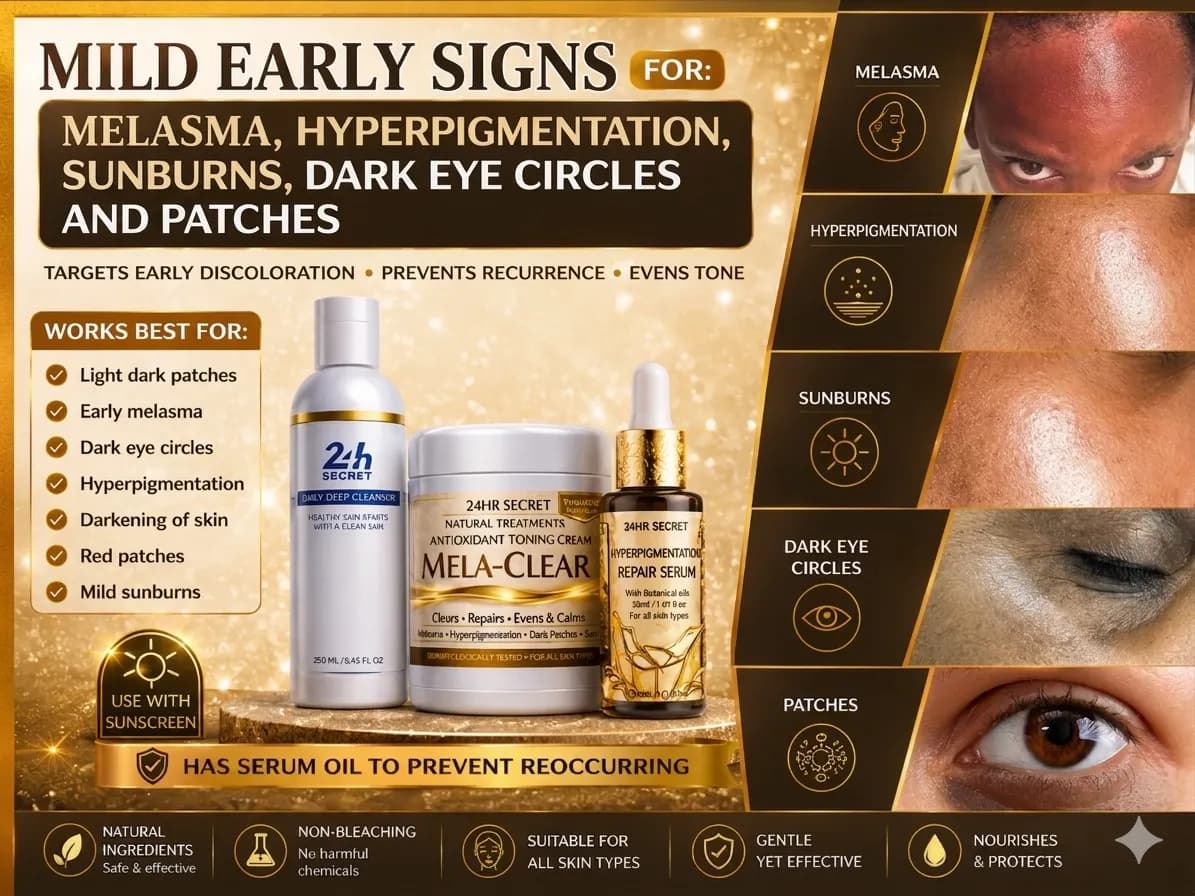
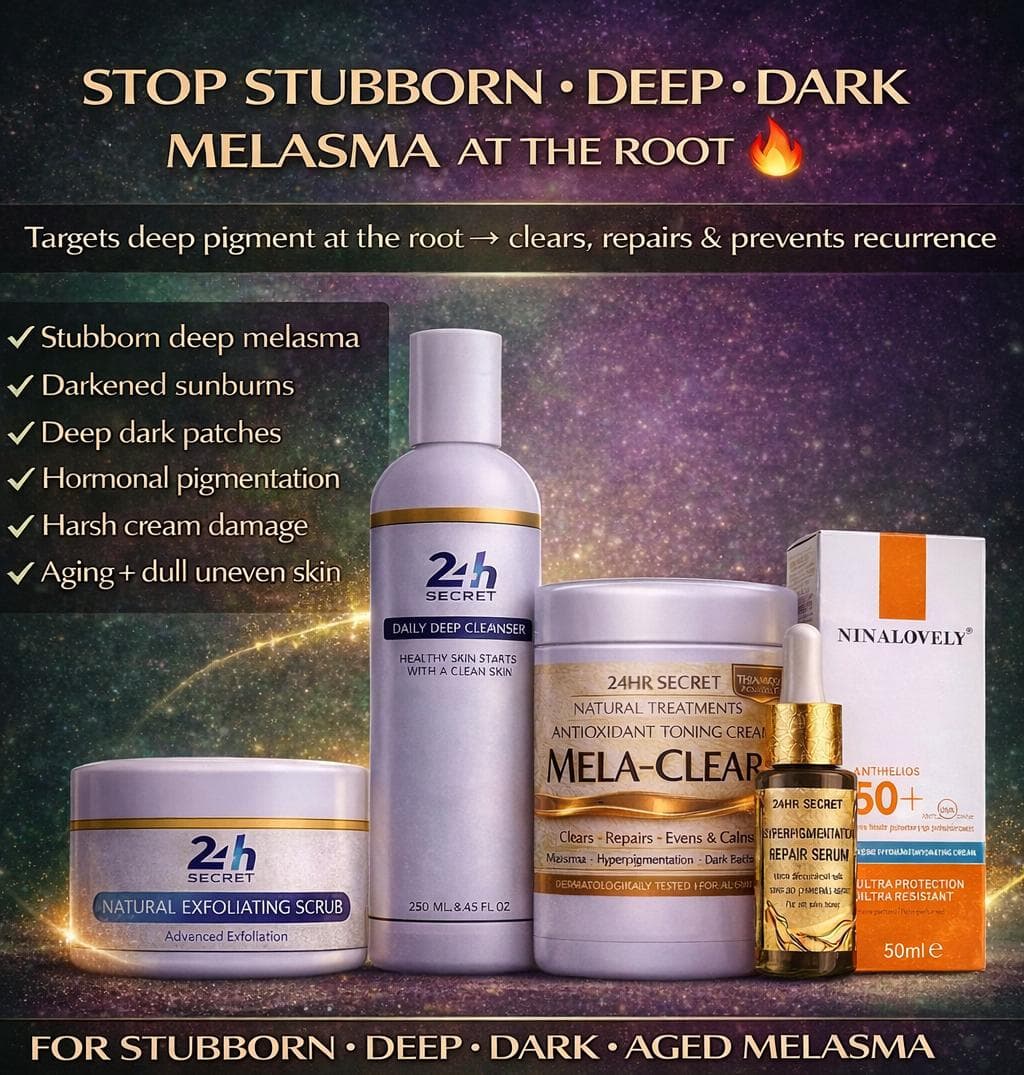
For melasma that's more established or hasn't faded much on its own months after delivery, the Deep/Stubborn Melasma Kit targets the fuller pigmentation cycle for more resistant cases.
Does pregnancy melasma go away on its own?
For some women, it fades significantly within a few months as hormones return to baseline. For others, it persists and needs active treatment to clear fully. There's no way to predict which category you'll fall into — which is why starting a proper routine once you're cleared, rather than just waiting, gives the most reliable results.