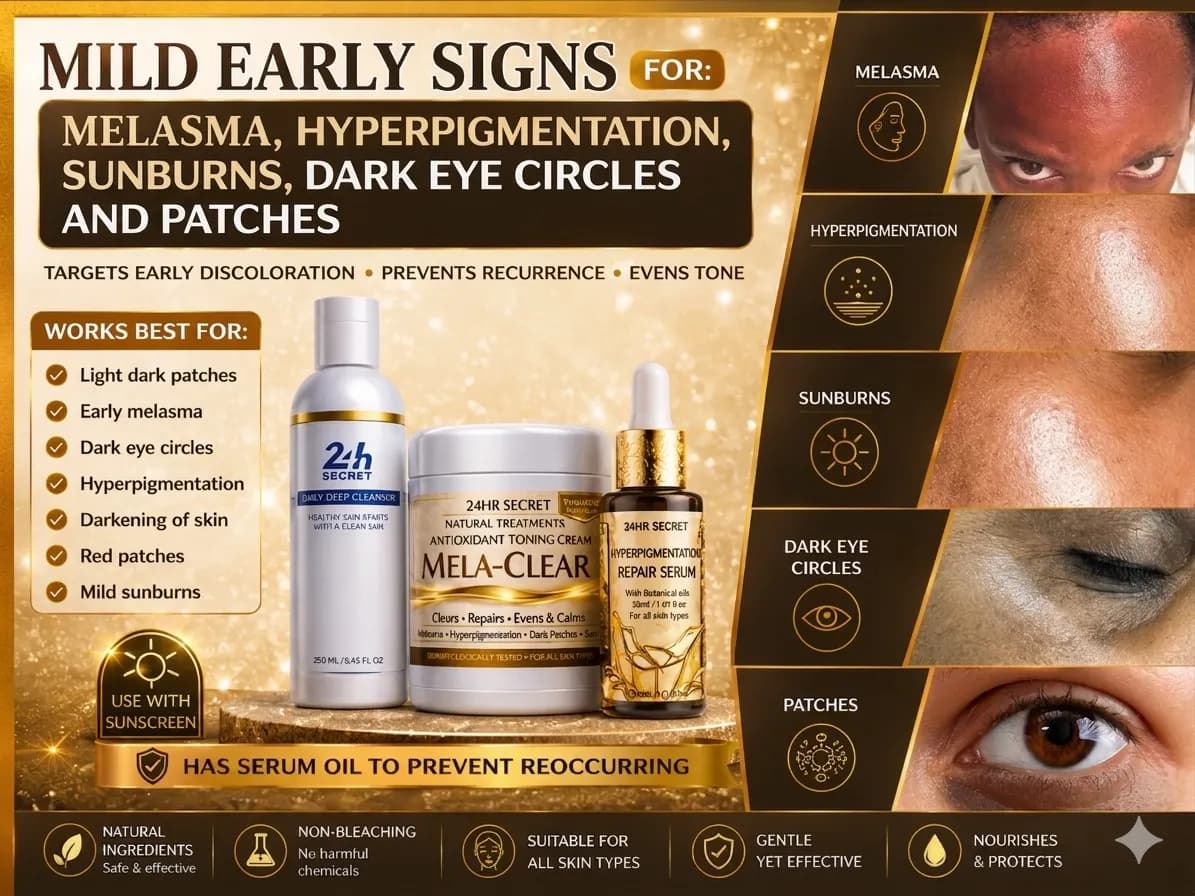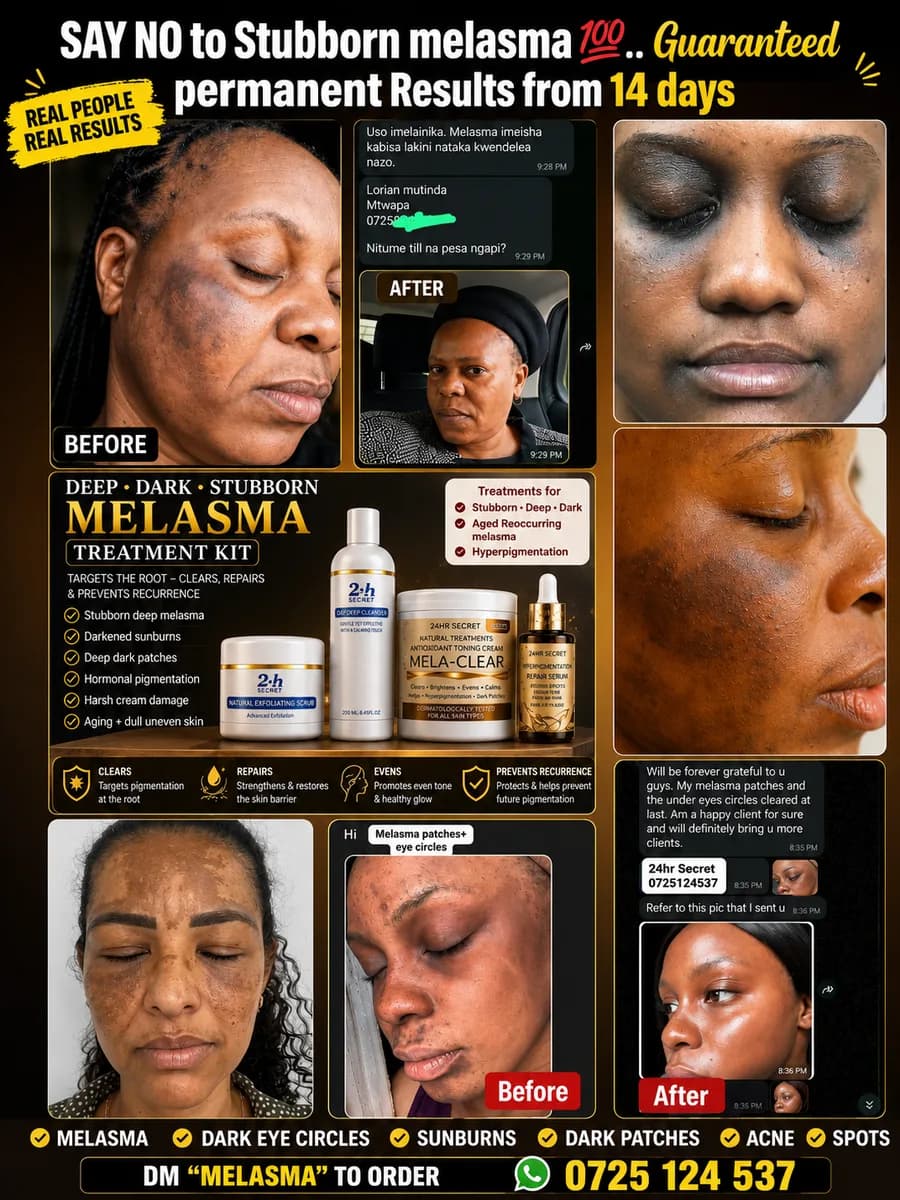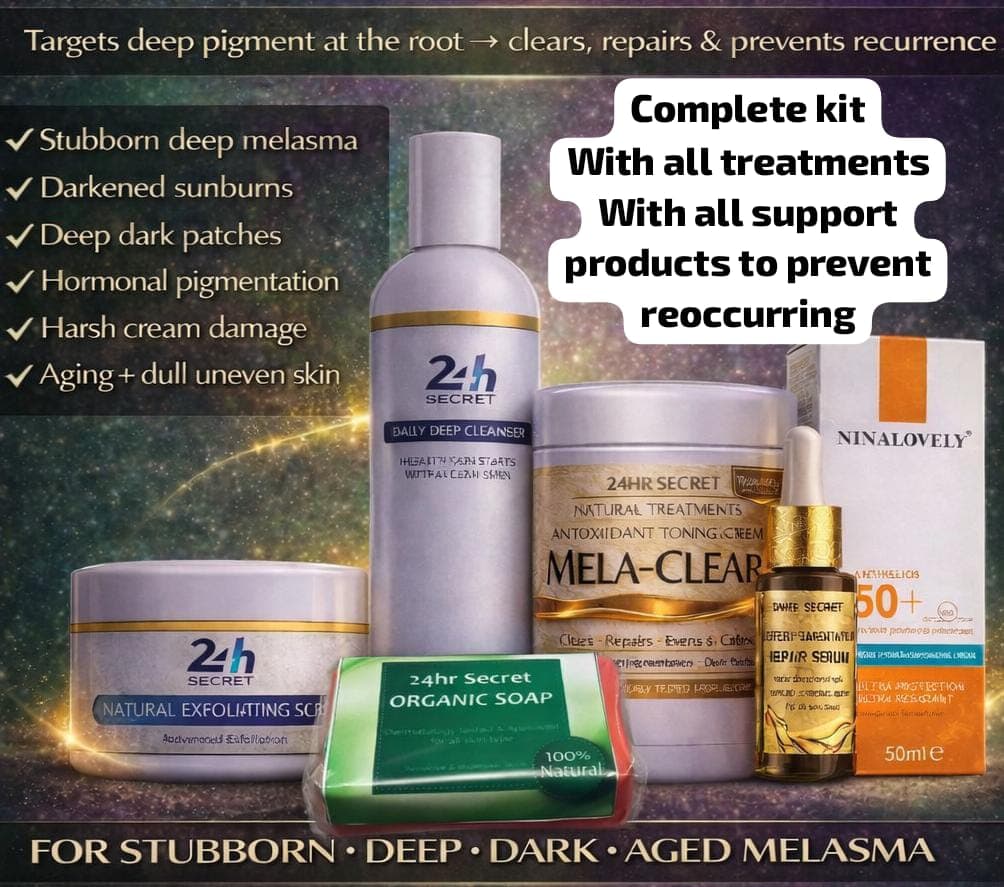
"Hyperpigmentation" and "melasma" get used as if they mean the same thing, but one is a category and the other is a specific member of that category — like "fruit" and "mango." Knowing the difference actually matters, because it changes what treatment approach and timeline you should expect.
Hyperpigmentation: the umbrella term
Hyperpigmentation simply means any area of skin that's darker than the surrounding skin because of excess melanin. That's it — a broad, general description. It covers many different causes and patterns:
- Post-inflammatory hyperpigmentation — dark marks left after acne, a cut, or irritation heals
- Sunspots (solar lentigines) — small, defined dark spots from cumulative sun exposure
- Age spots — similar to sunspots, appearing with age and long-term UV exposure
- Melasma — a specific, hormonally-linked pattern (covered below)
Melasma: a specific type of hyperpigmentation
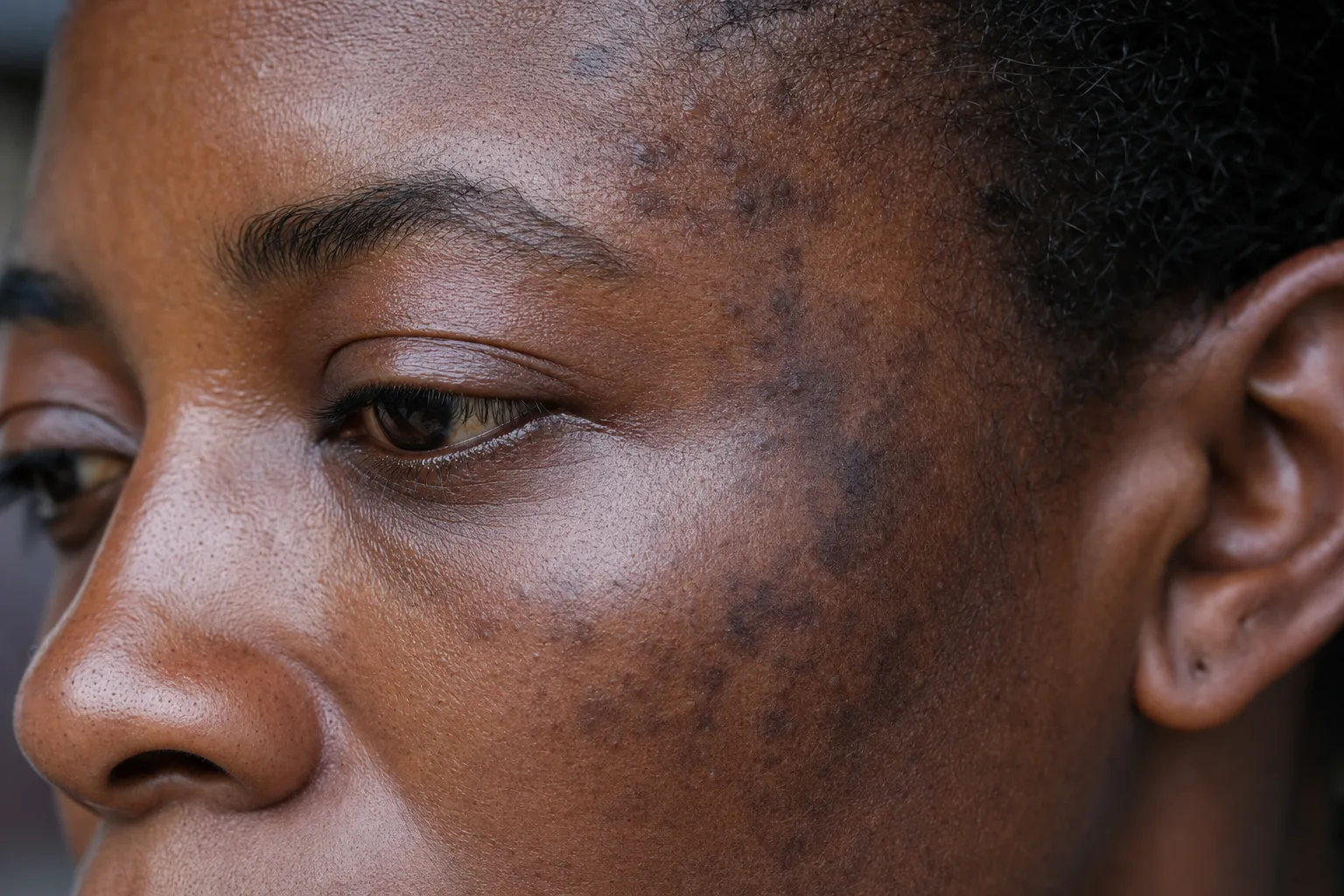
Melasma is one particular pattern of hyperpigmentation, and it's the one that behaves the most differently from the rest. Its defining features:
- Hormonally triggered — commonly linked to pregnancy, hormonal contraceptives, or hormonal shifts, not just sun exposure alone
- Larger, blotchy patches — rather than small, defined spots, melasma tends to show up as broader, sometimes symmetrical patches, often on the cheeks, forehead, nose bridge or upper lip
- More prone to recurrence — melasma is notorious for fading and then returning, especially with continued sun exposure or hormonal changes
- Deeper-set pigment — melasma often sits deeper in the skin than a typical sunspot or acne mark, which is part of why it responds more slowly to treatment
The simplest way to tell them apart
Small, defined, scattered dark spots that appeared after a specific event (a breakout, a sunburn, an injury) are usually general hyperpigmentation. Larger, blotchy, symmetrical patches — especially ones that seem tied to pregnancy, hormonal contraceptives, or keep returning despite treatment — are more likely melasma.
Why the difference matters for treatment
General hyperpigmentation (a sunspot, an acne mark) usually responds well to consistent pigment-regulating treatment within several weeks, and once it's gone, it tends to stay gone unless re-triggered by the same specific cause. Melasma, because it's hormonally driven and sits deeper, typically needs a fuller system — regulation, exfoliation, barrier repair and strict daily sun protection — and even then, ongoing maintenance matters more, since hormonal triggers don't fully go away the way a single acne breakout does.
Which kit matches your stage
Whether you're dealing with melasma specifically or general hyperpigmentation, the right starting point depends on how faint or advanced it is — not which exact label applies.