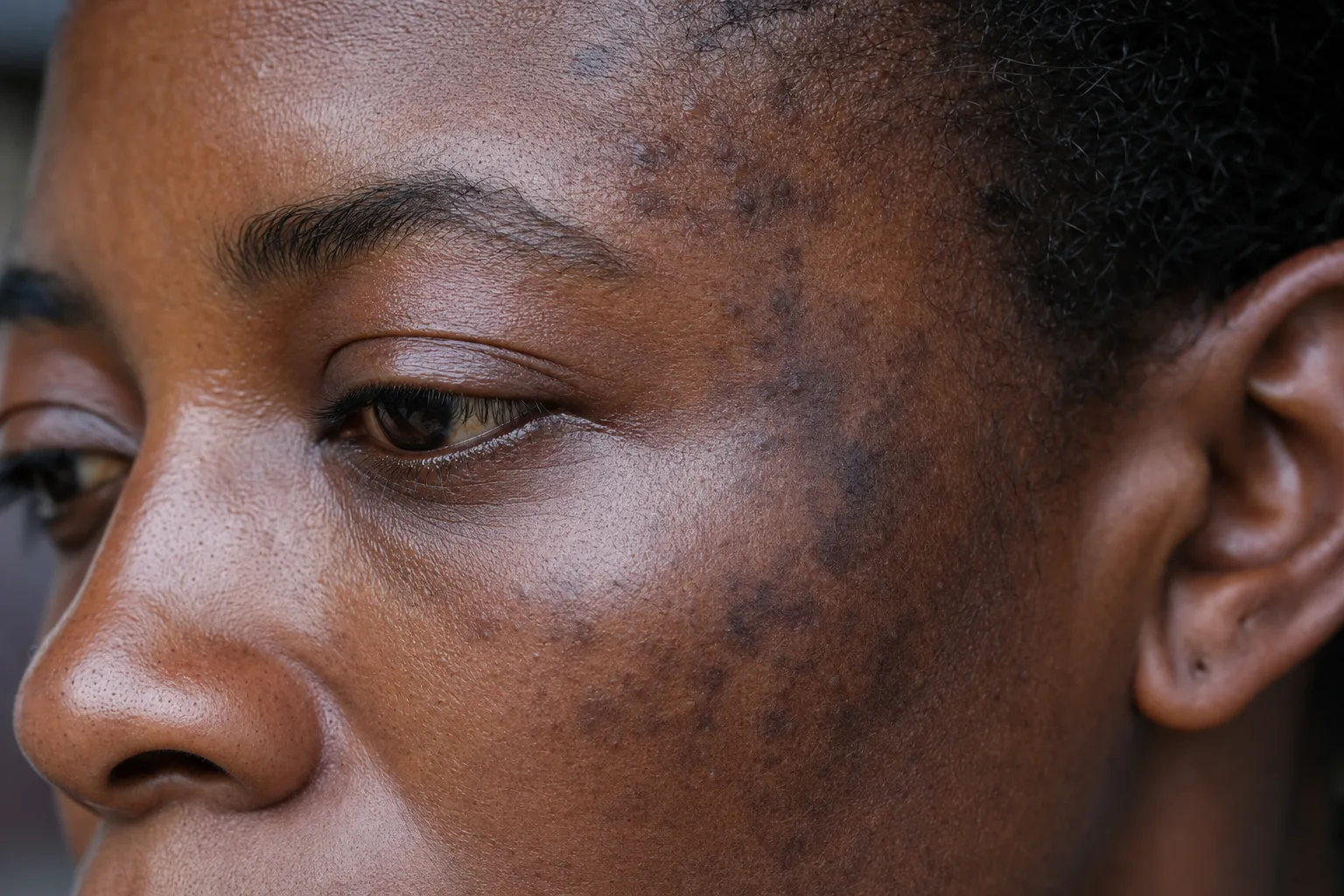
Three names, three slightly different things, and a lot of overlap in how people use them. Here's a clear way to separate melasma, sunspots and age spots — because while they share a common cause (excess melanin), they don't behave quite the same way.
Sunspots (solar lentigines)
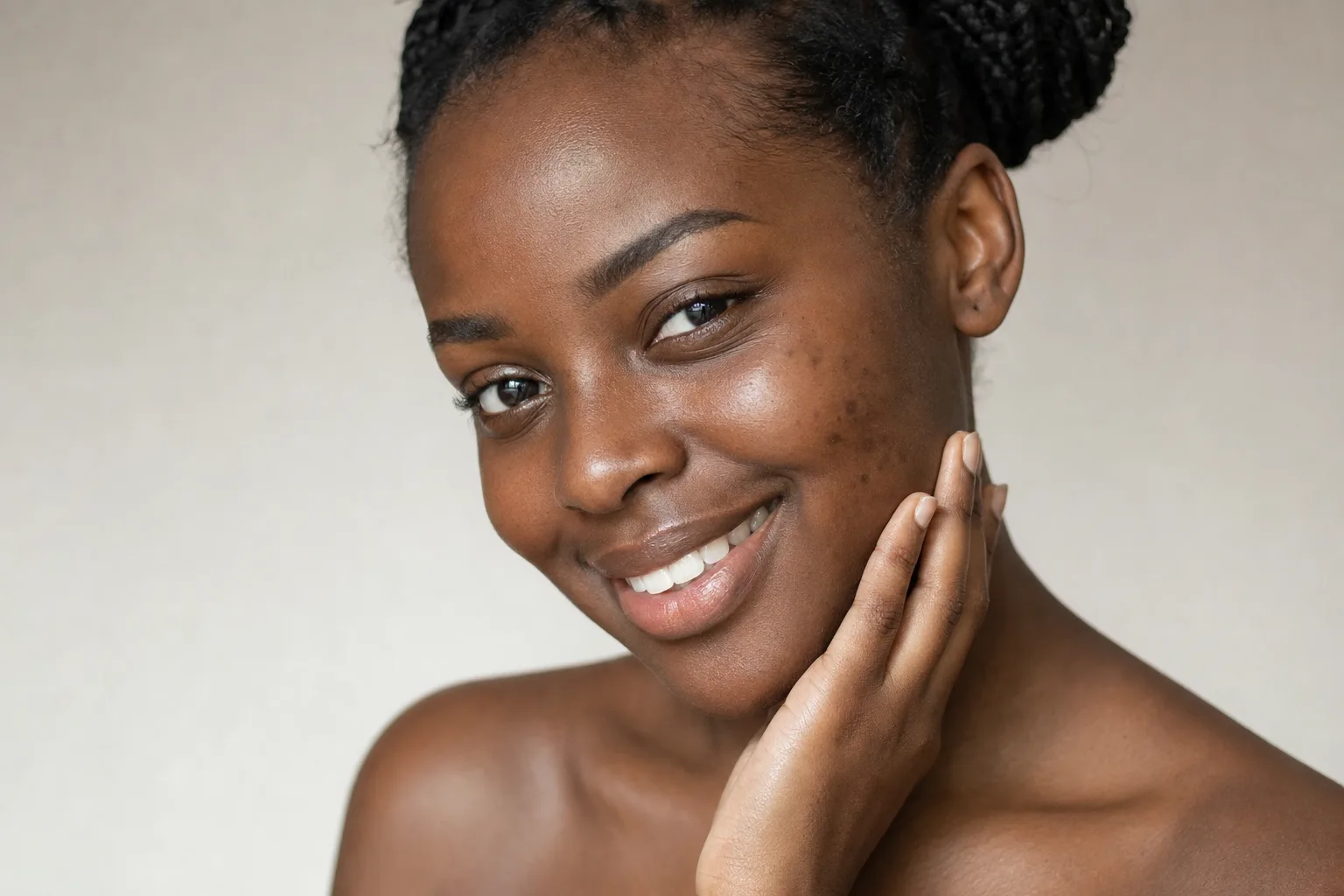
Small, flat, well-defined dark spots caused by cumulative UV exposure over time. They typically appear on the areas that get the most sun — cheekbones, nose, forehead, backs of hands, shoulders. Unlike melasma, they don't have a hormonal component; they're a direct, cumulative record of sun exposure.
Age spots
Age spots (sometimes called liver spots, despite having nothing to do with the liver) are essentially the same thing as sunspots — the terms are used almost interchangeably, with "age spots" simply emphasizing that they've built up with years of sun exposure. They share the same defined, scattered pattern as sunspots.
Melasma
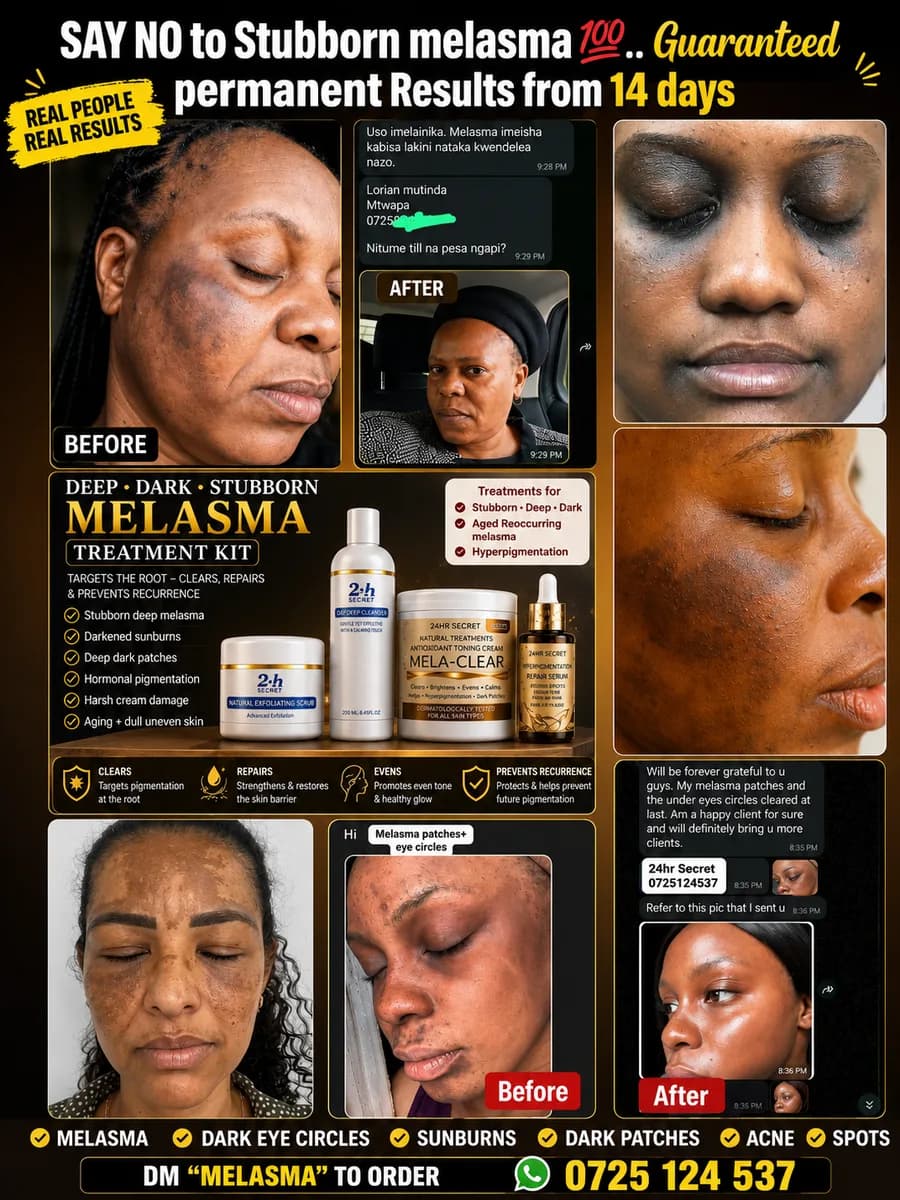
Melasma stands apart from both. It's hormonally driven as much as sun-driven, appears as larger, blotchy, often symmetrical patches rather than small defined spots, and tends to be considerably more prone to returning after treatment — especially with continued sun exposure or ongoing hormonal triggers like pregnancy or contraceptives.
| Sunspots | Age Spots | Melasma | |
|---|---|---|---|
| Main cause | Cumulative UV exposure | Cumulative UV exposure (long-term) | Hormones + UV exposure |
| Shape | Small, defined | Small, defined | Larger, blotchy |
| Pattern | Scattered, sun-exposed areas | Scattered, sun-exposed areas | Often symmetrical |
| Recurrence risk | Lower once treated | Lower once treated | Higher — needs ongoing SPF discipline |
The quickest way to tell them apart
If it's small, defined, and sitting where you get the most sun — that's a sunspot or age spot. If it's larger, blotchy, appears symmetrically on both sides of your face, and seems connected to pregnancy or hormonal contraceptives — that's more likely melasma.
Why melasma needs a different level of commitment
Sunspots and age spots generally respond well to consistent pigment-regulating treatment and, once faded, tend to stay faded unless significant new sun exposure occurs. Melasma is more stubborn on both ends — it typically takes longer to fade, and because hormonal triggers don't just disappear the way a single sunburn's effects do, ongoing sun protection matters even more to keep results.