Between pregnancy hormones, sleepless nights and a completely new routine, skincare is often the last thing on a new mother's mind — but it's exactly when many women start noticing melasma, dark patches or dull skin that pregnancy left behind. Here's how to approach it gently, safely, and realistically.
Why skin changes so much postpartum
Estrogen and progesterone surge dramatically during pregnancy, often triggering melasma — dark, blotchy patches on the cheeks, forehead and upper lip, sometimes called the "pregnancy mask." After birth, hormone levels drop suddenly, which can leave skin looking dull and depleted, while the pigmentation itself often lingers for months without treatment.
What's safe while breastfeeding
This is the most common concern new mothers have, and it's a fair one. As a general guide: gentle cleansers, pigment-regulating serums with plant-based actives, barrier-repair oils and mineral or broad-spectrum sunscreens are considered safe for topical use while breastfeeding, since very little is absorbed systemically. Always check the specific ingredient list of any product against current guidance, and when in doubt, ask your doctor — this article is general skincare guidance, not medical advice.
Ingredients to be cautious with
Some stronger actives (certain retinoids, high-strength hydroquinone, and some essential oils in concentrated form) are generally advised against during breastfeeding. Natural, gentler pigment-regulating routines are often the more comfortable choice during this stage — which is exactly why a natural approach fits well here.
A realistic postpartum routine
- Keep it simple. A short, consistent routine you'll actually stick to beats an elaborate one you'll abandon after a few sleepless nights.
- Cleanse gently, once or twice daily — postpartum skin can be more reactive than usual.
- Regulate pigment consistently rather than aggressively — pregnancy melasma responds well to steady, gentle treatment over weeks.
- Never skip SPF — sun exposure is the single biggest reason postpartum melasma lingers or worsens instead of fading.
- Be patient with yourself. Hormones take months to fully stabilize post-birth, and skin follows on a similar timeline.
The right kit for postpartum skin
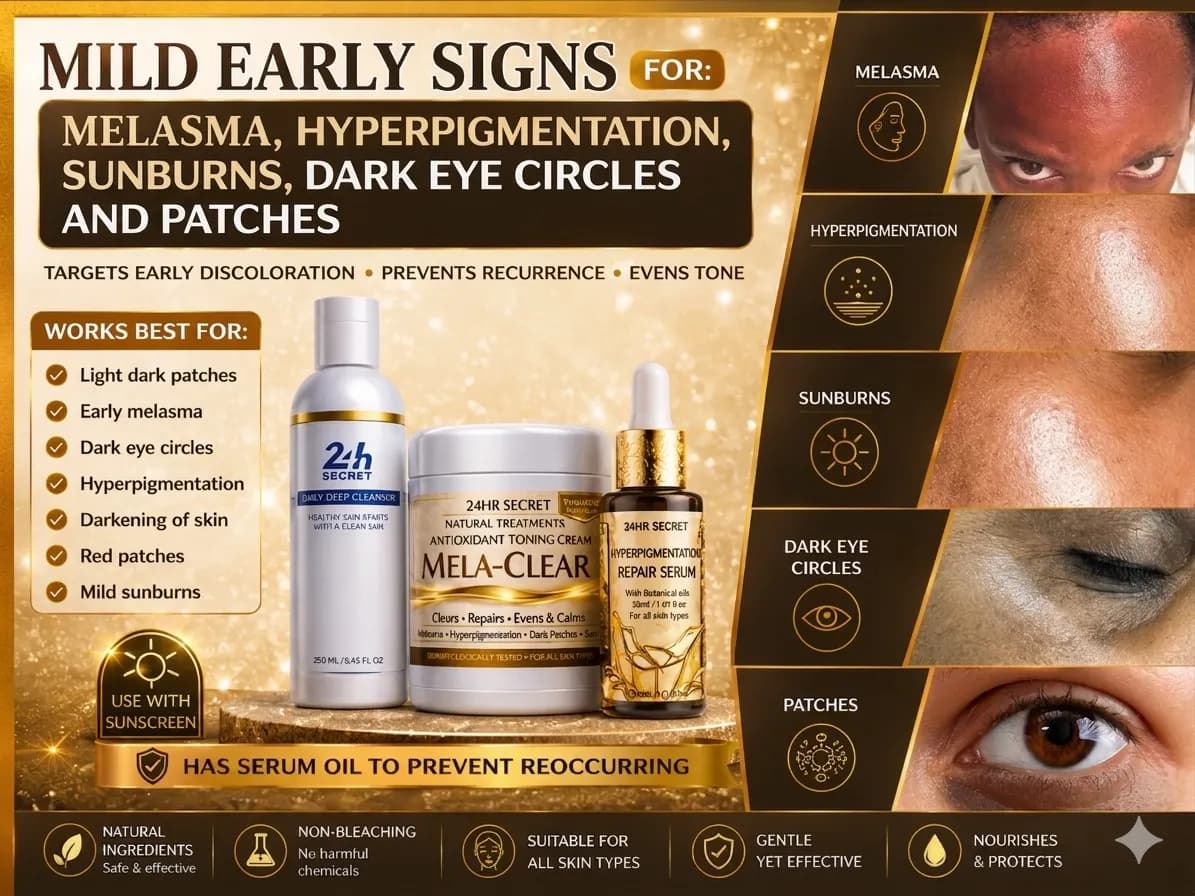
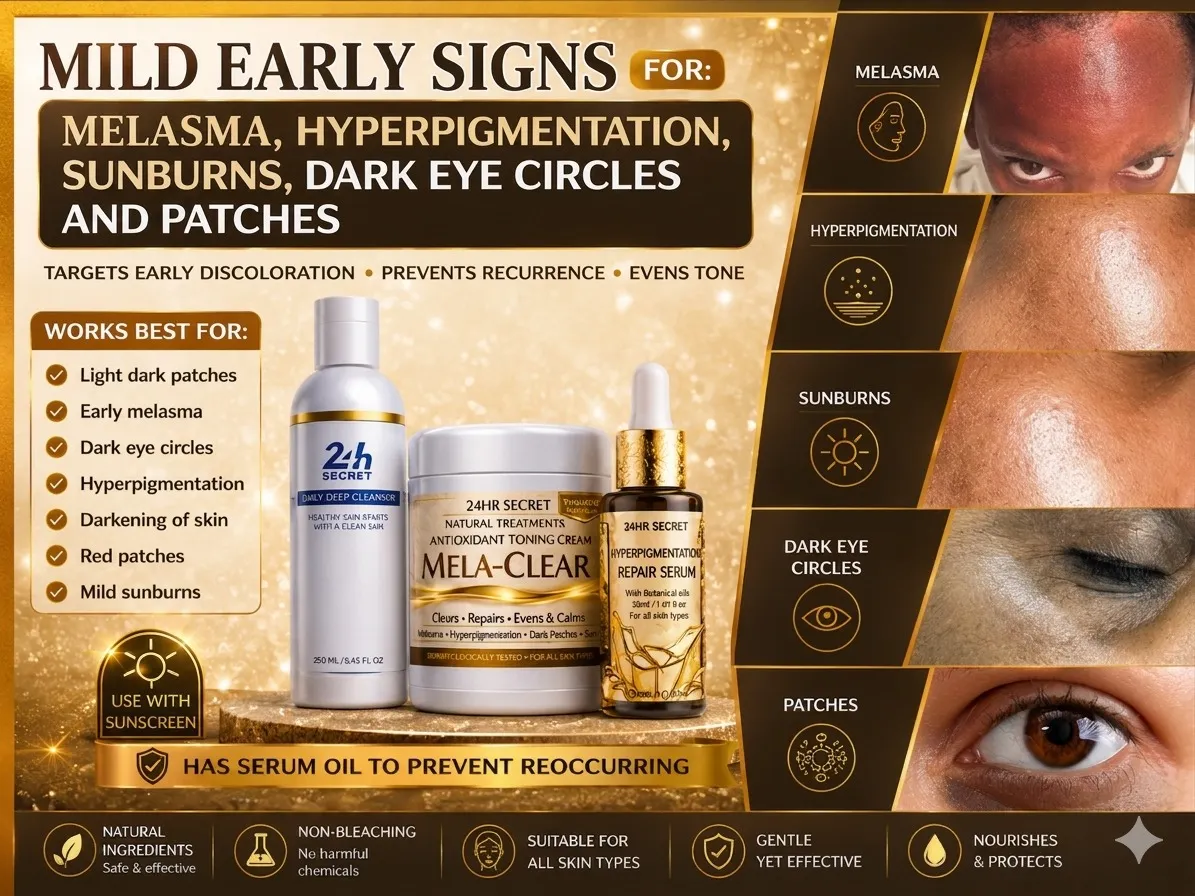
Our Mild/Early Melasma Kit is a gentle starting point — it regulates pigment and repairs the barrier, without harsh actives that many new mothers prefer to avoid. Pair it with a daily SPF 50+ sunscreen, since sun protection matters most for fading pregnancy pigmentation.
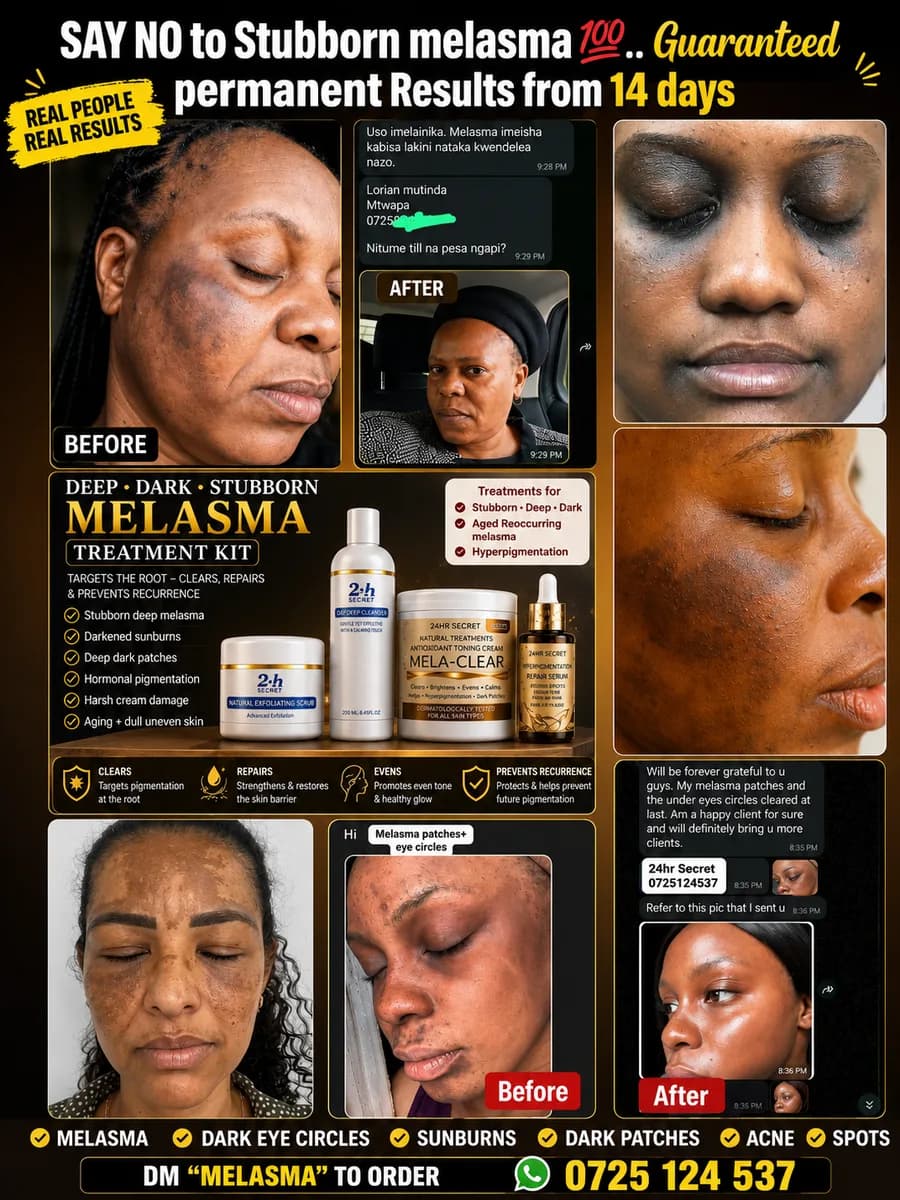
If your pregnancy mask is more pronounced or hasn't faded months after birth, a deeper correction kit will treat it more thoroughly once you're ready for a fuller routine.