A single serum promising to fix melasma is an easy sell — one product, one price, one simple story. It's also, almost always, an incomplete solution. Stubborn skin concerns are rarely caused by one single mechanism, which means they're rarely solved by one single ingredient.
What a single product can realistically do
A well-formulated serum can genuinely regulate pigment production or deliver antioxidants effectively — that's real value. What it can't do is also cleanse and prep the skin, exfoliate existing pigment buildup, repair a compromised barrier, and protect against the UV exposure that keeps re-triggering the problem. That's five distinct jobs, and no single formula does all five well.
Why kits aren't just upselling
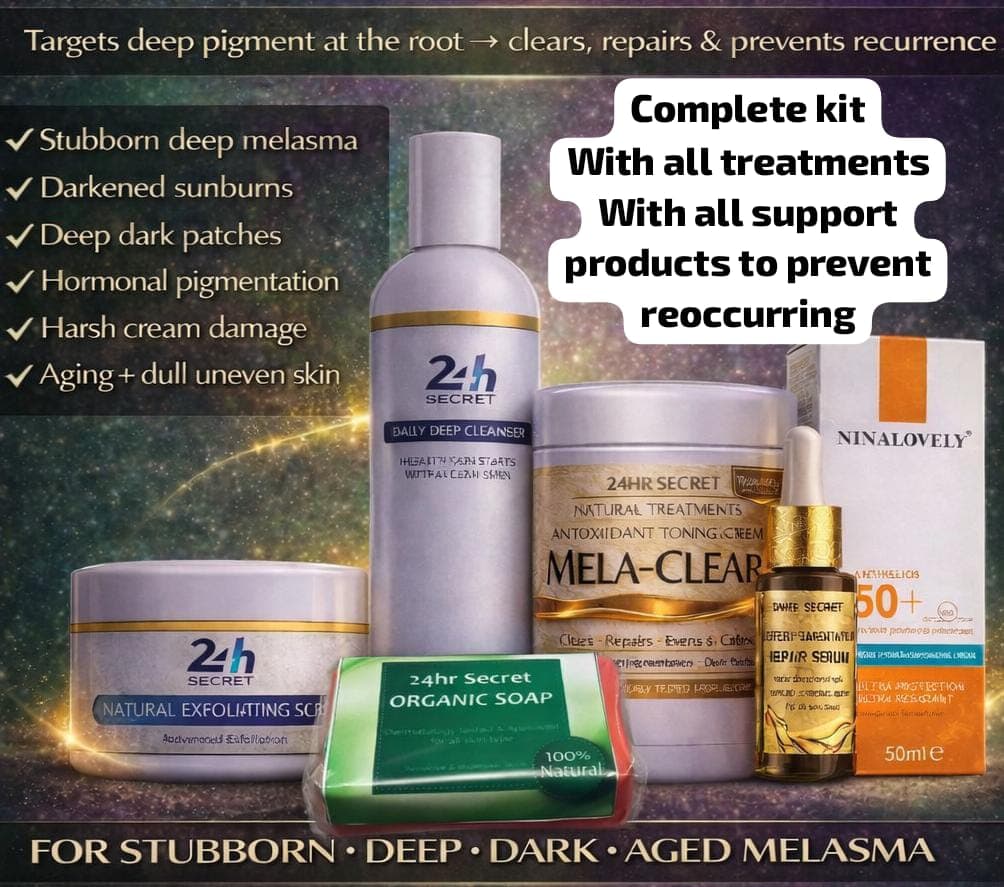
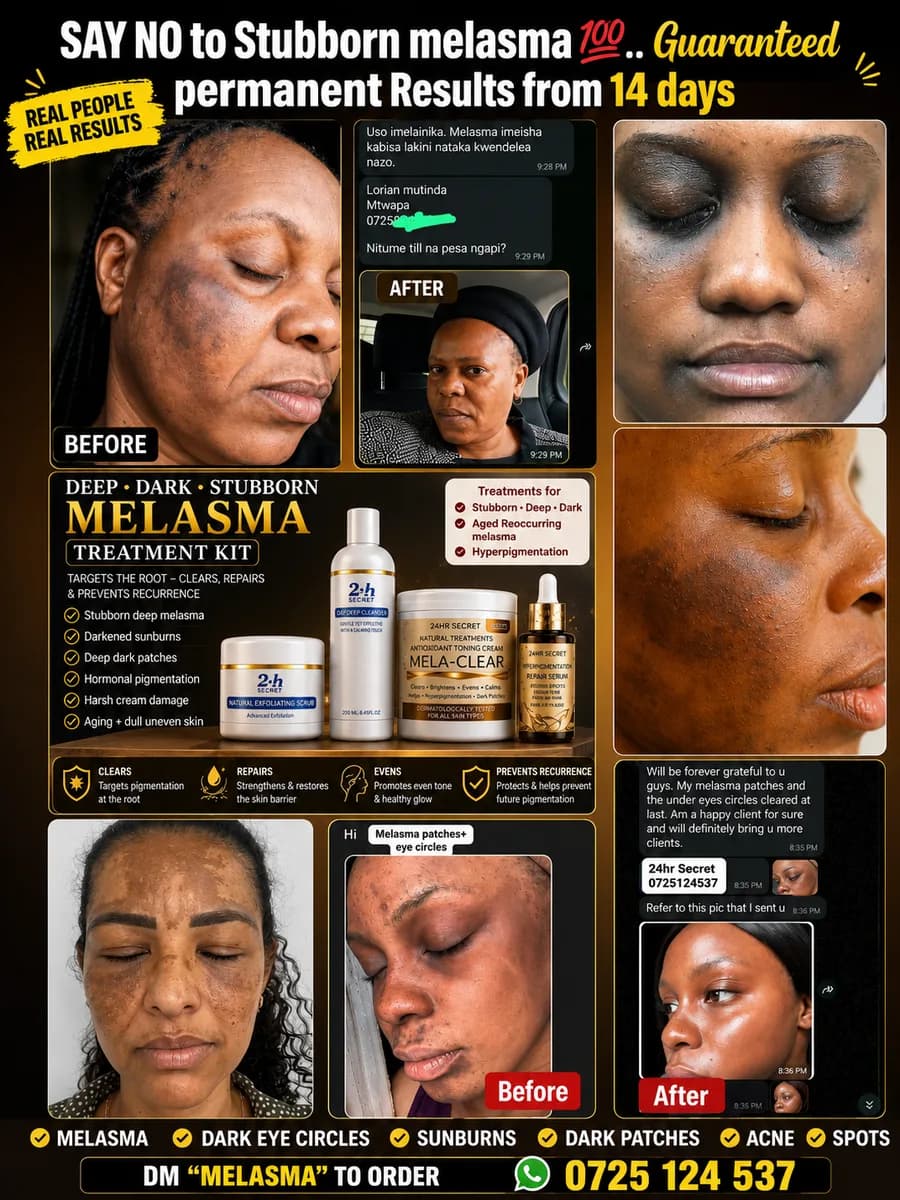
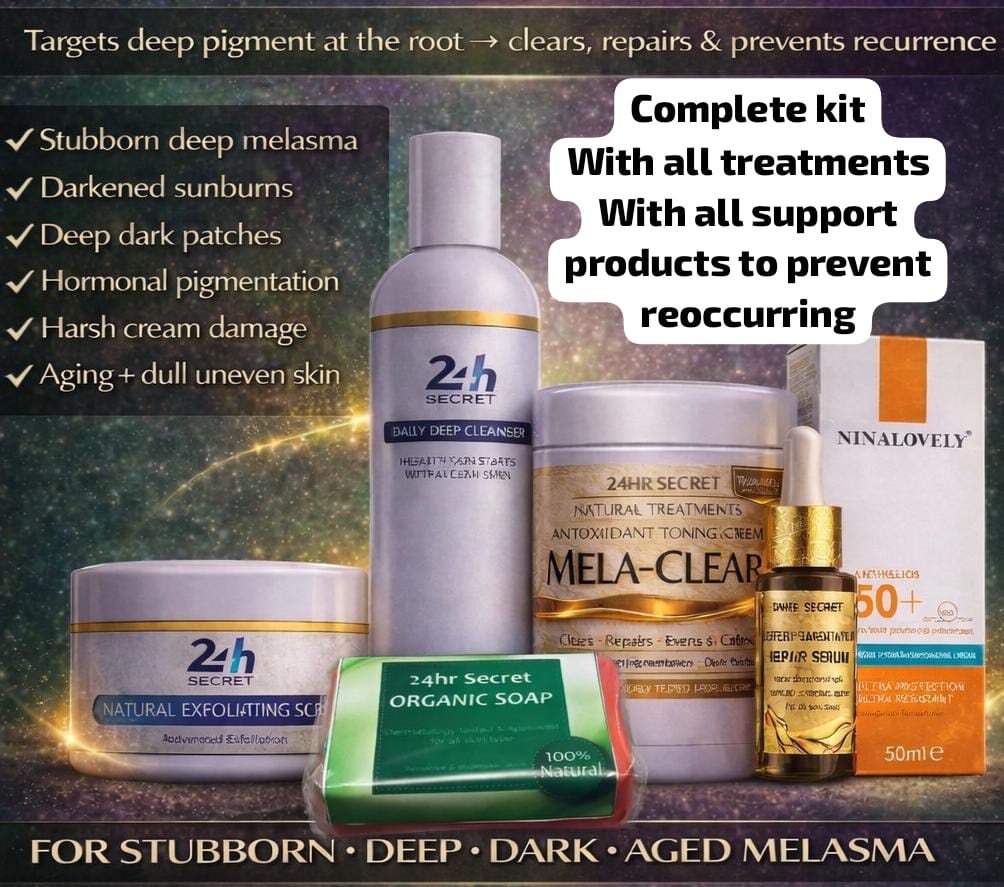
It would be simpler for us to sell one product at a lower price point. We build kits instead because the actual mechanism of stubborn pigmentation requires multiple coordinated steps — a cleanser that preps skin for absorption, a treatment serum that regulates pigment, an exfoliant that lifts existing buildup, a repair oil that rebuilds the barrier, and SPF that stops the cycle from restarting. Each step does a job the others can't.
The real cost comparison
A single serum looks cheaper on the price tag. But when it plateaus after a few weeks — because it was only ever solving one part of the problem — the real cost is buying a second product, then a third, trying to patch together what a proper system delivers from the start. Most of our clients who eventually buy a complete kit have already tried one or two single products first.
When a single product genuinely is enough
To be fair: if your concern is very mild, recent, or narrow — a touch of dullness, for example — a single targeted product can be the right call. Full systems earn their value specifically on stubborn, multi-factor concerns like deep melasma, chronic hyperpigmentation and long-standing sun damage, which is exactly where we recommend them.