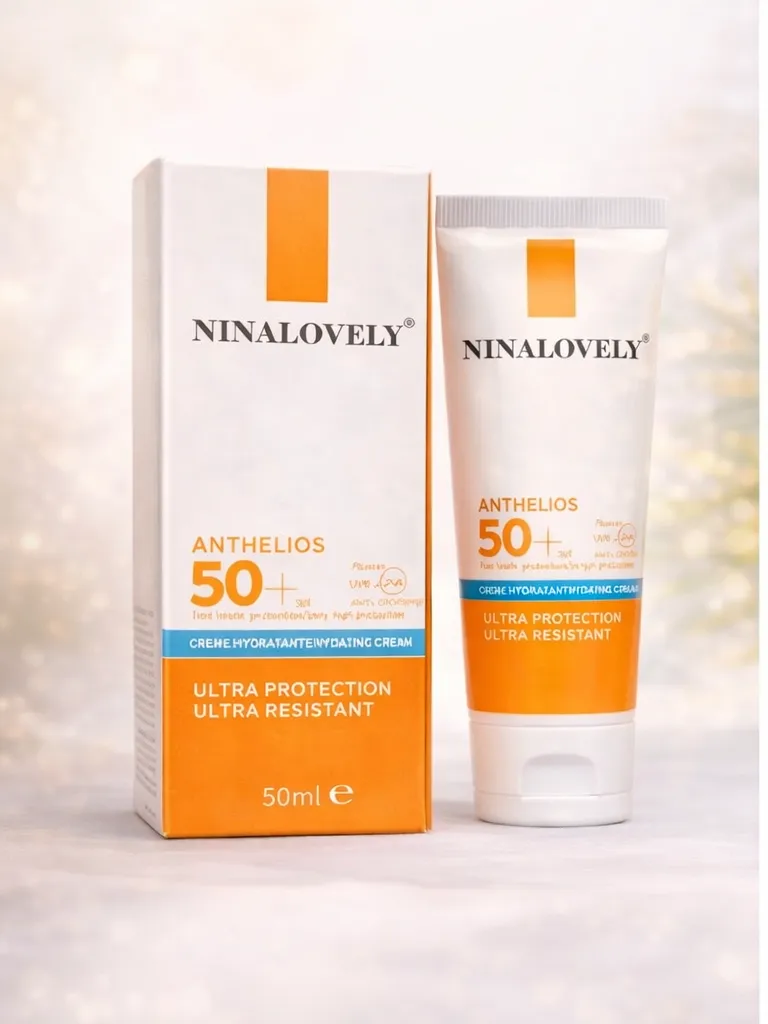
If you ask any dermatologist what one habit determines melasma treatment success, the answer is almost always the same: sunscreen, applied daily, without exception. It's also the step people skip most — because it doesn't feel like "treatment," it's easy to forget, and it's often sold as a separate product entirely, on a separate shelf, at a separate cost.
Why sunscreen matters more than any single serum
UV exposure directly stimulates the pigment-producing cells responsible for melasma. That means every session in the sun without protection actively works against everything your treatment serum is trying to do — regardless of how good that serum is. You can use a perfectly formulated MelaClear serum every day and still see slow or reversed progress if UV exposure keeps re-triggering pigment production.
This is why melasma often gets worse in dry, sunny seasons
If you've noticed your melasma darkening at certain times of year, sun exposure is almost always the reason — not a change in your skincare. It's the clearest real-world evidence of how directly UV drives this specific condition.
Why we made it free instead of optional
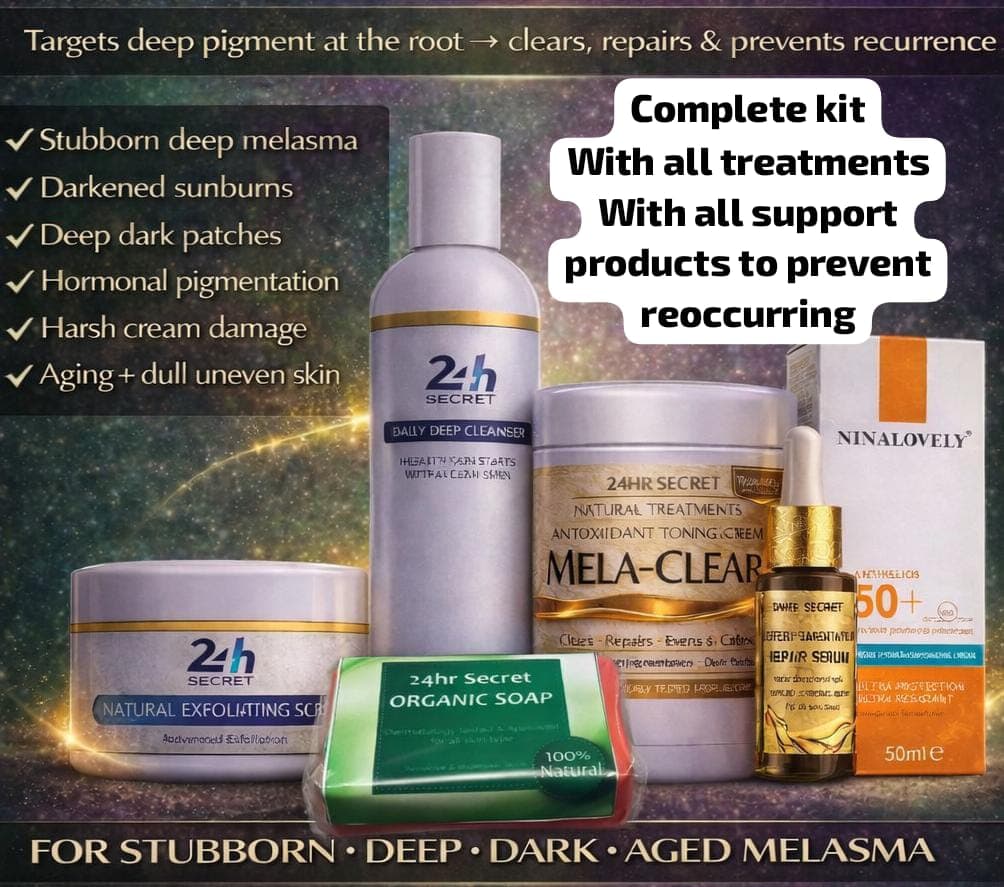
We used to sell sunscreen separately, like most skincare brands do. What we noticed was simple: clients who skipped it took noticeably longer to see results, and some saw pigmentation return within weeks of finishing their kit. Bundling SPF 50+ free with our Mild/Early Melasma Kit and our Trending Hot Sale kit isn't a marketing gimmick — it's a direct response to watching sunscreen-skippers get worse outcomes.
What good sun protection actually requires
- Broad-spectrum SPF 30-50+ — protects against both UVA (aging, pigmentation) and UVB (burning) rays
- Applied every morning, not just on visibly sunny days — UV passes through cloud cover
- Reapplied through the day if you're outdoors for extended periods
- Used as the final step, after treatment serums, to seal in protection