Bleaching creams have one genuine advantage: speed. They can visibly lighten pigmentation within days. That speed is also exactly why they're risky — and why so many people cycle through bleaching products only to end up back where they started, or worse.
What bleaching actually does
Bleaching agents work by aggressively shutting down the enzyme responsible for melanin production. This works, but it doesn't discriminate — it suppresses melanin in the treated area indiscriminately, and with prolonged use can thin the skin barrier and make it more sun-sensitive. Once you stop, an already-weakened barrier is more reactive to triggers, and pigment cells that were forcibly suppressed can overcorrect, producing pigmentation that returns darker than before.
What natural regulation does differently
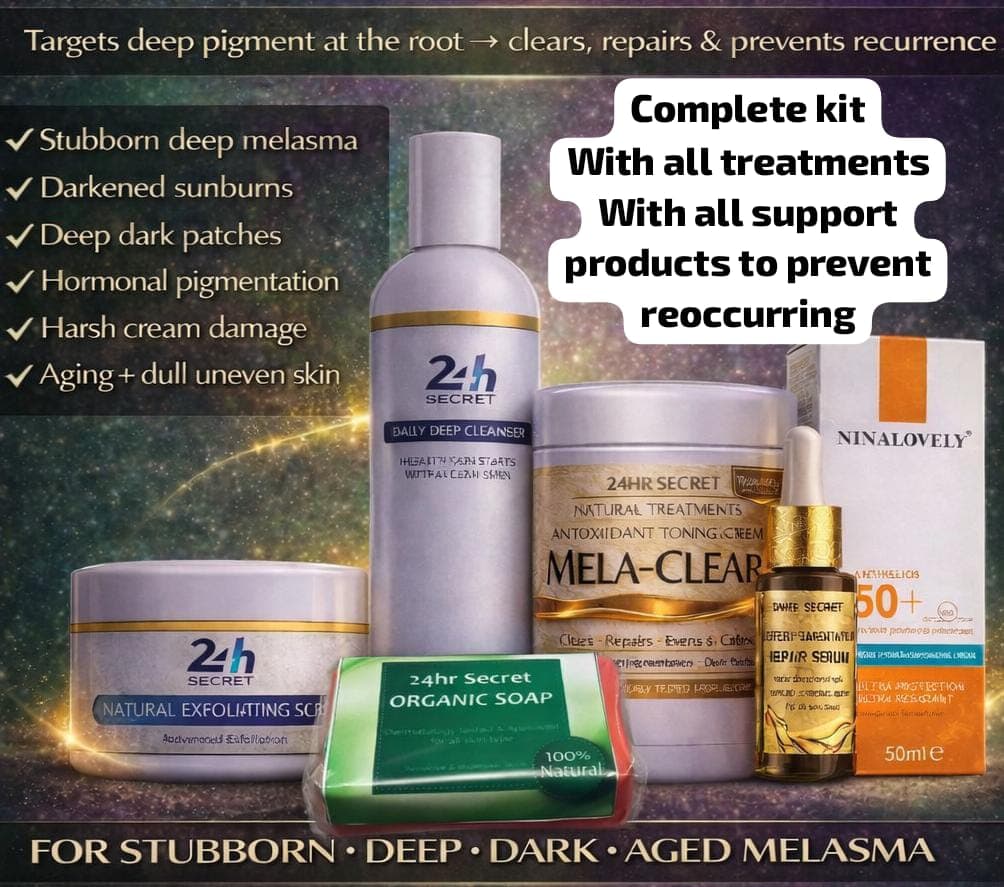
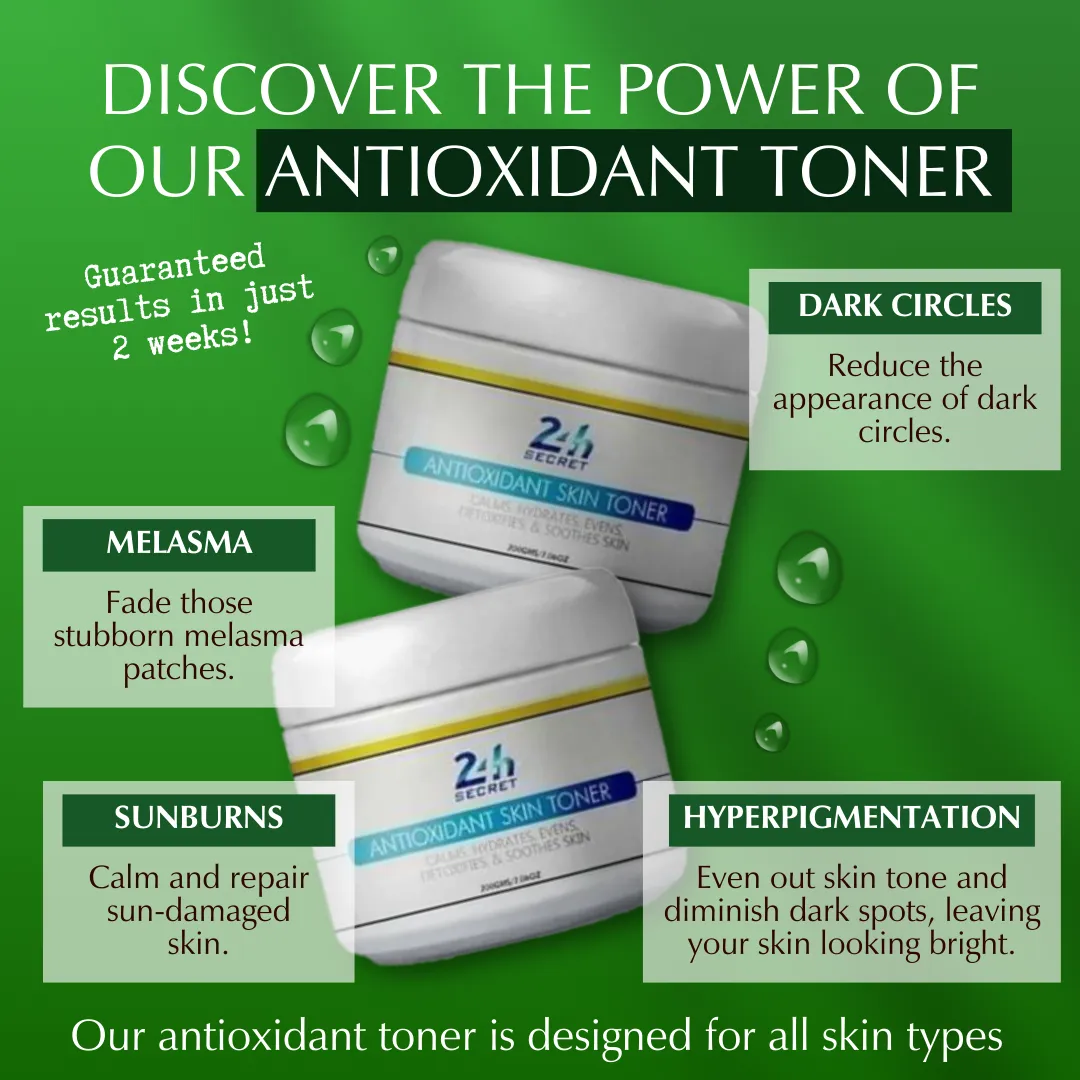
Ingredients like the antioxidants in MelaClear work by regulating the pigment-production pathway rather than force-shutting it down — reducing excess melanin production while allowing the skin's normal processes to continue functioning. This is why results build gradually over weeks rather than days, but they're also far less likely to trigger the rebound effect common with bleaching.
The trade-off, honestly
Natural regulation is genuinely slower to show first results than bleaching — typically 2-4 weeks vs. a few days. What you're trading that speed for is a barrier that stays intact and results that are more likely to hold once you finish the routine.
Why this matters most for stubborn, recurring pigmentation
If your melasma or dark patches have already cycled through fading and returning once, there's a good chance a previous treatment was aggressive enough to weaken the barrier — making the next round of pigmentation return faster and darker. Breaking that cycle takes an approach that repairs the barrier while regulating pigment, not one more round of suppression.