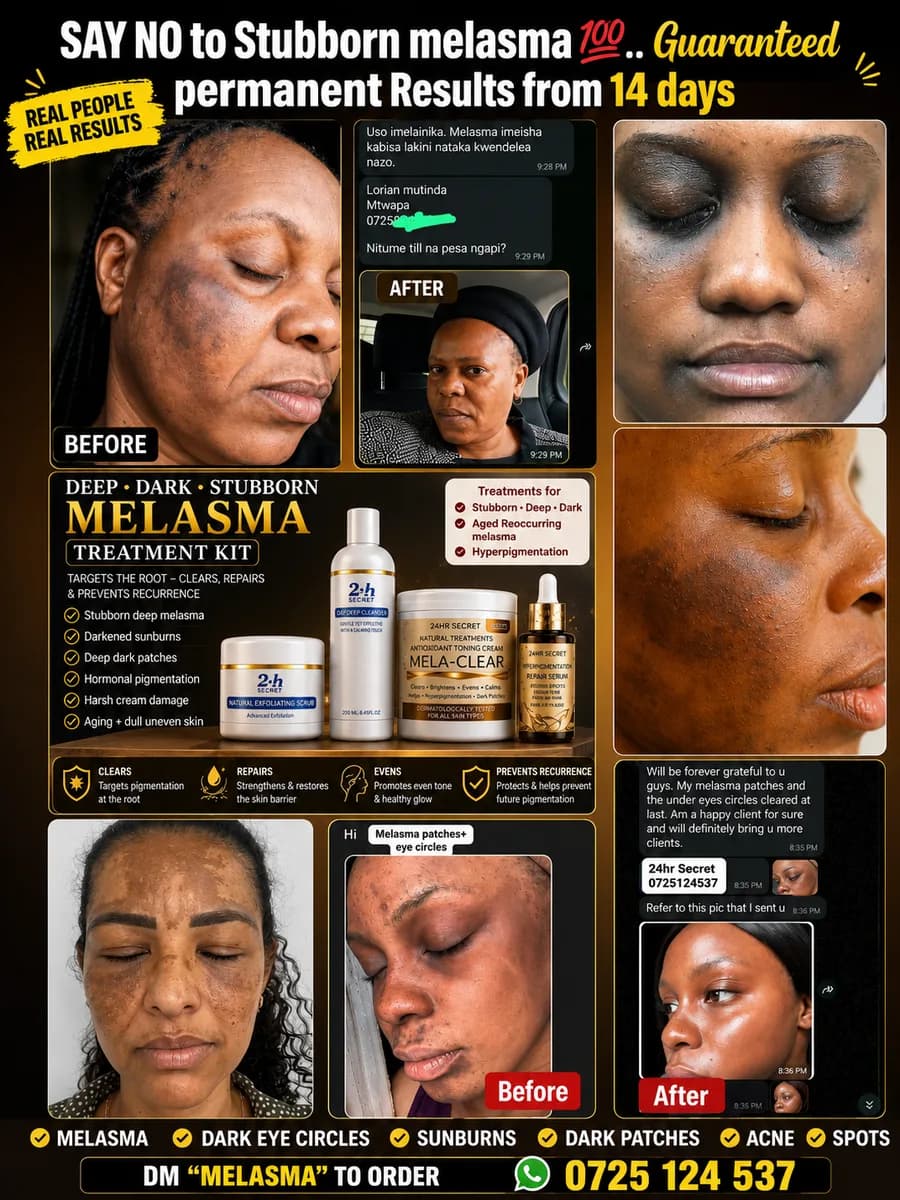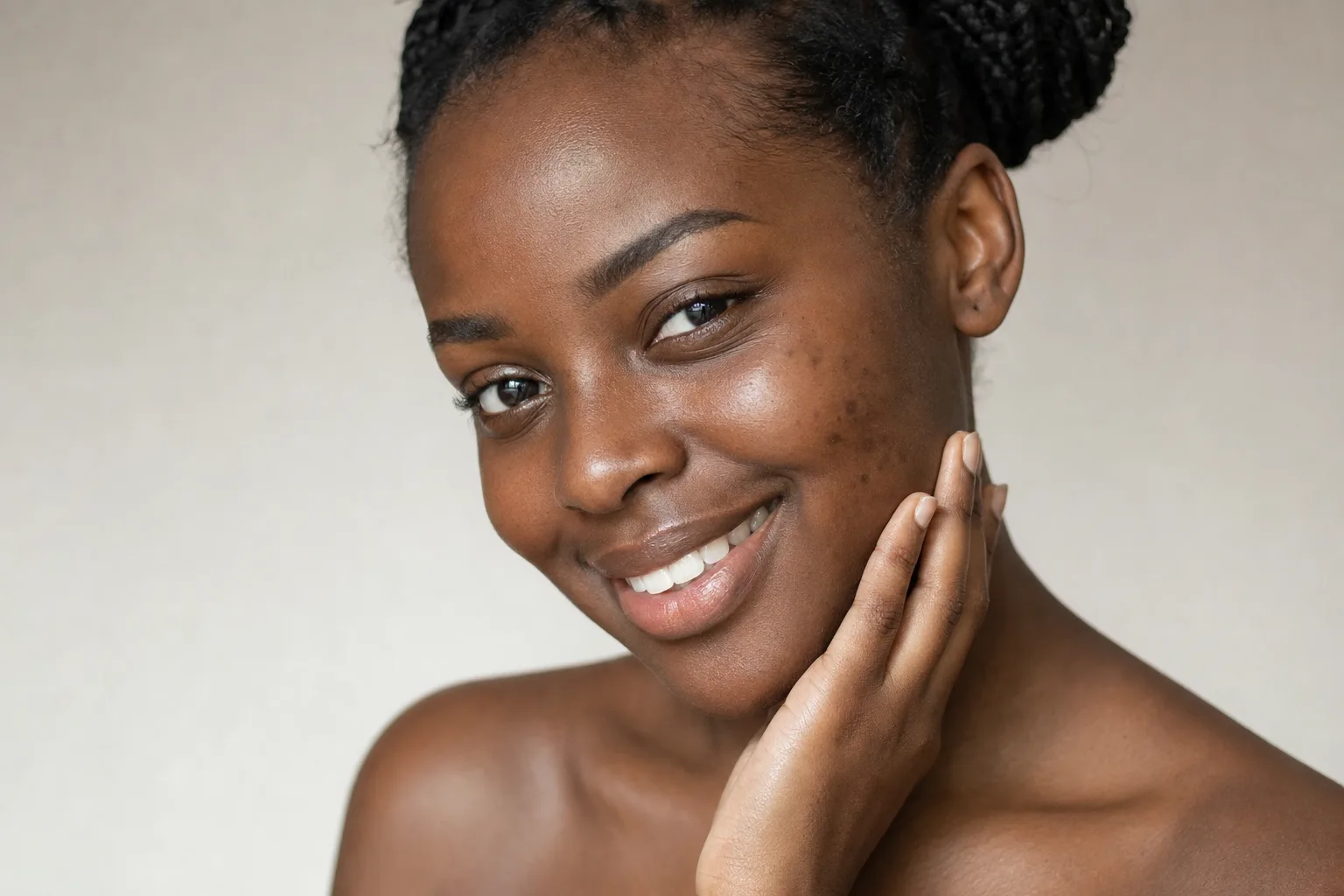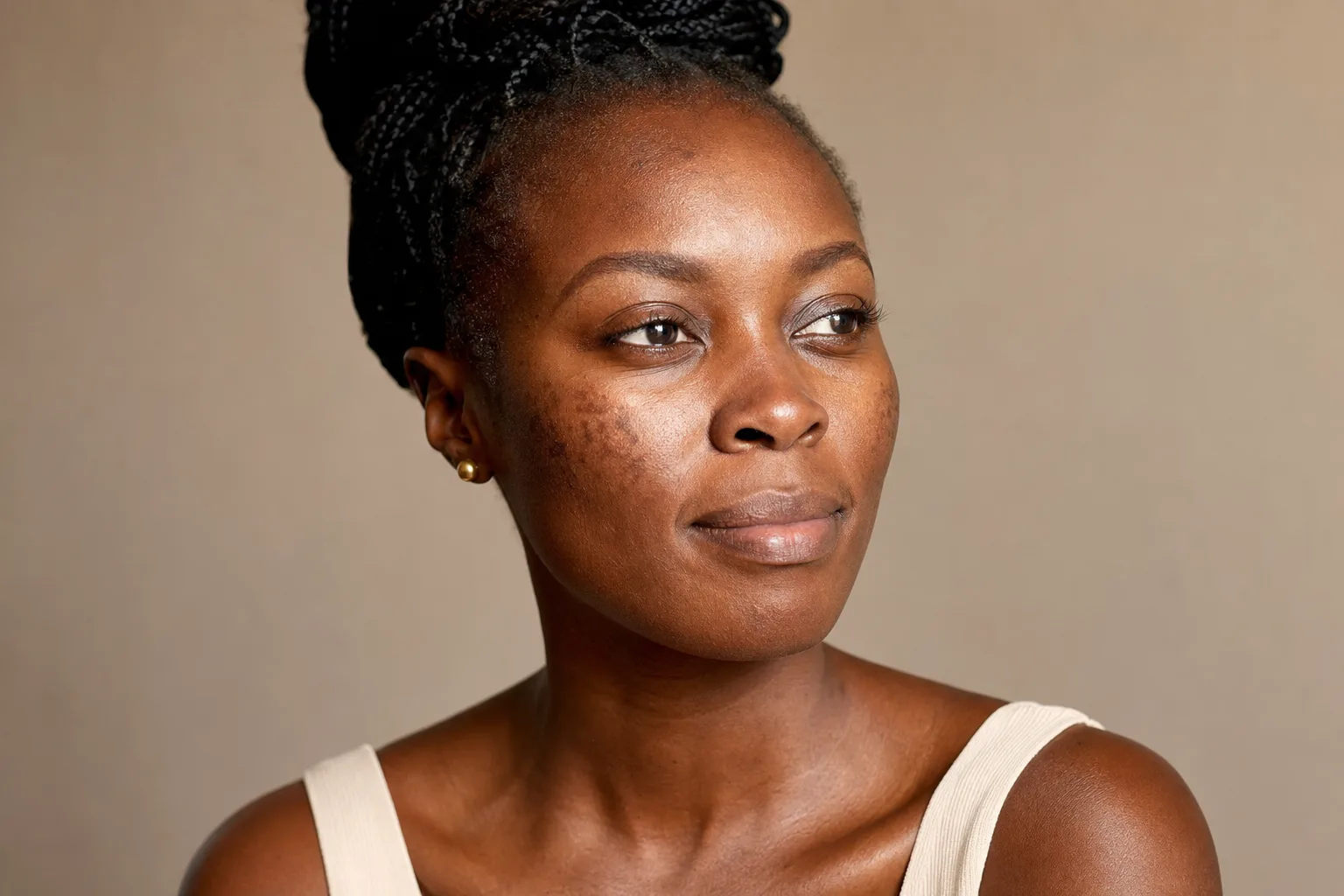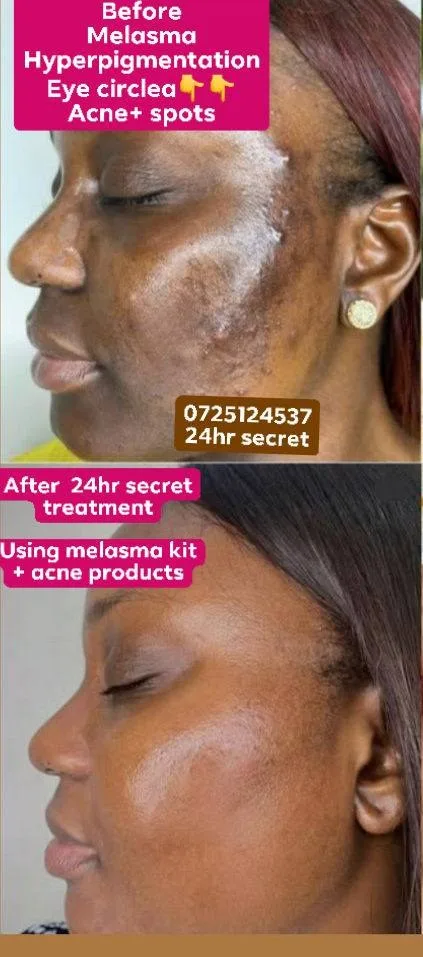
Search "melasma before and after" and you'll find thousands of dramatic transformation photos — many of them recycled stock images, unrelated before/afters stitched together, or simply staged. It's one of the easiest things to fake in skincare marketing, which is exactly why it matters so much to be able to verify what you're looking at.
How to spot a fake before/after
- No date or timeline — a real transformation has a "when," because skin correction takes weeks, not seconds.
- Different lighting, angle or distance between the two photos — a common trick that exaggerates the difference.
- No traceable source — you can't find the actual client, their comments, or the original post anywhere.
- The same photos appear across multiple unrelated brands — a sign of stolen or stock imagery.
What we do differently
Every photo in our testimonial gallery is sourced directly from real client posts and messages — with dates, and traceable back to the original source. We'd rather show fewer, honest results than a wall of dramatic but unverifiable images. If a result looks less dramatic than a competitor's, that's often because it's real.
You can verify this yourself
Visit our testimonials page and check the dates and captions — every result there is traceable. Compare that to any brand whose "before/afters" have no dates, no context, and no way to confirm they're genuine.
Why this matters when choosing a treatment
A brand willing to fake results is also a brand willing to overpromise on what their product actually does — which is how people end up disappointed, or worse, using something aggressive enough to cause the dramatic before/after in the first place. Genuine, verifiable results are a signal about the product itself, not just the marketing.